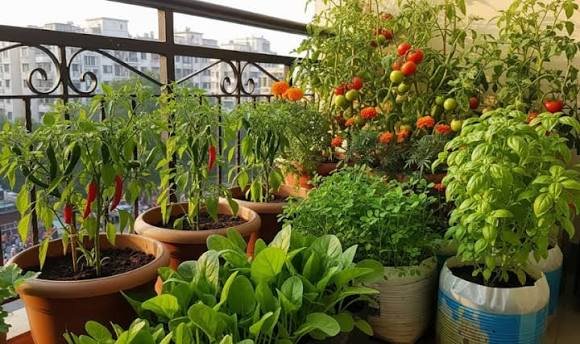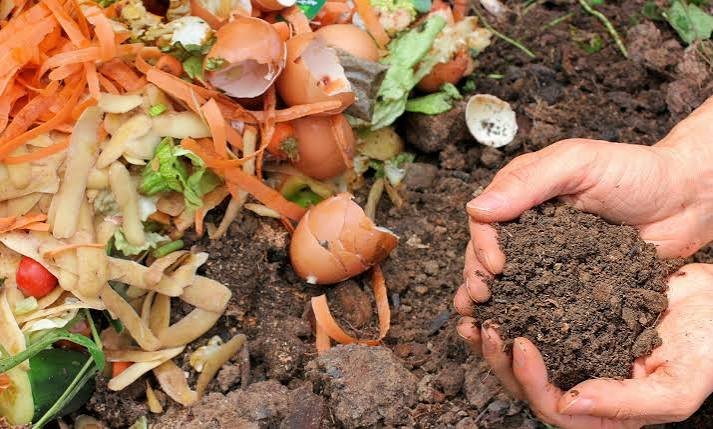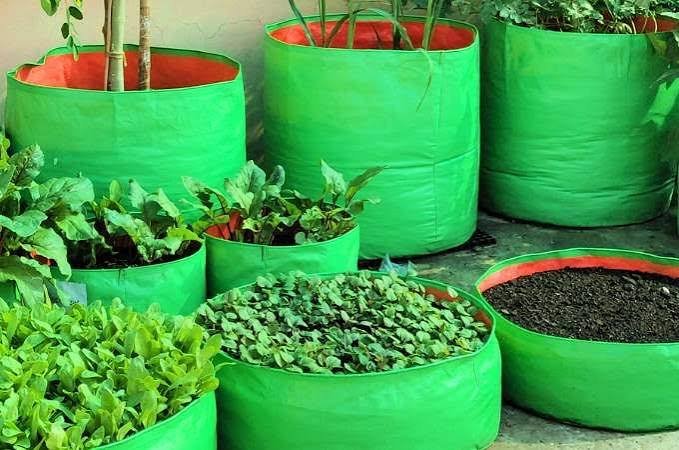

Imagine stepping onto your terrace in the morning, plucking a lemon for nimbu paani, a few mulberries for the kids, or a guava for your evening snack. Sounds like a farmhouse dream, right? But today, even people living in Delhi, Bengaluru, Pune, Chennai, Hyderabad, Ahmedabad and Mumbai are growing fruit trees in pots on rooftops and balconies.
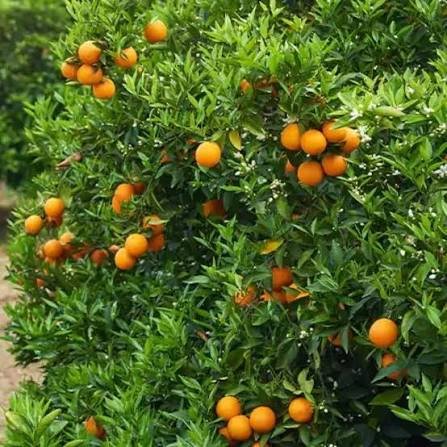
The trick is choosing the best fruit trees for terrace garden India conditions. You cannot simply plant a regular mango or chikoo tree in a small pot and expect miracles. Terrace gardening needs compact plants, grafted varieties, strong pots, good drainage, proper sunlight and basic rooftop safety.
The good news is that many fruit trees can grow happily in containers if you choose the right variety and manage their size with pruning. Lemon, guava, pomegranate, fig, karonda, chikoo, dwarf mango, custard apple, dragon fruit and mulberry are some of the most practical options for Indian homes.
This guide will help you choose the best fruit trees for terrace garden India homeowners can actually maintain without turning the roof into a jungle.
Can Fruit Trees Really Grow on Terraces?
Yes, fruit trees can grow on terraces, but with one important condition: you must treat them as container fruit trees, not full orchard trees.
A terrace fruit tree has limited root space. It depends completely on you for water, compost, pruning, sunlight and feeding. In the ground, a tree can spread its roots in search of nutrition. In a pot, it can only use what you provide.
ICAR’s rooftop gardening guidance notes that a well-planned terrace garden can support fruits and vegetables, but it also stresses important basics such as structural suitability, drainage, waterproofing, water access and at least 6–8 hours of sunlight for many plants.
So yes, fruit trees can grow on rooftops. But the winners are usually dwarf, grafted, air-layered or naturally compact varieties.
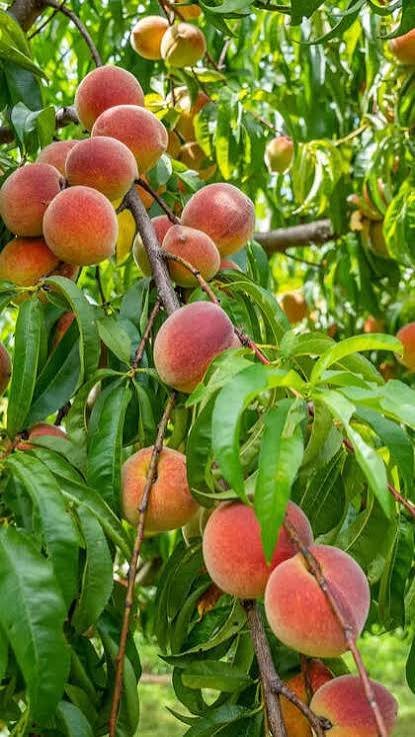
Quick Answer: Best Fruit Trees for Terrace Garden India
The best fruit trees for terrace garden India are lemon, guava, pomegranate, fig, karonda, chikoo, dwarf mango, custard apple, dragon fruit and mulberry. For faster fruiting, buy grafted or air-layered plants from a reliable nursery. Use 16–24 inch pots for medium plants and 24–30 inch drums or grow bags for larger fruit trees like mango and chikoo. Place them where they get at least 6 hours of direct sunlight and ensure proper roof waterproofing and drainage.
What to Check Before Keeping Fruit Trees on Rooftops
Before you buy ten plants from the nursery, check these points.
1. Structural Load
Fruit trees become heavy. A big pot, wet soil, compost, water, plant roots and the tree itself can add serious weight. ICAR specifically advises checking the structural integrity of the roof because soil and pots are heavy and become heavier as plants grow.
For large fruit trees, place pots near beams, columns or load-bearing walls, not randomly in the middle of a slab. For very old houses, consult a civil engineer before creating a heavy rooftop garden.
2. Waterproofing and Drainage
Water leakage is the biggest enemy of terrace gardens. Every pot must have drainage holes, and water should flow towards the drain, not collect under pots. Use pot stands, bricks, tiles or movable trays to keep containers slightly raised.
ICAR also recommends suitable arrangements for drainage and waterproofing, including root-resistant and rot-resistant rooftop protection.
3. Sunlight
Most fruiting plants need direct sunlight. A terrace with only bright shade may grow money plants and ferns, but not good mangoes or pomegranates. For most fruit trees, 6–8 hours of sun is ideal.
4. Wind
Rooftops get strong wind. Young fruit trees may topple or dry out quickly. Use heavy-bottom pots, tie taller trees to a support, and avoid placing plants at exposed edges.
5. Daily Care
Container-grown fruit trees dry out faster than plants in the ground, so regular watering and feeding are important. Michigan State University Extension also notes that fruit grown in containers needs regular watering because container plants dry faster than conventionally grown plants. (Ag & Nat Resources College)
Grafted vs Seed-Grown Plants: Which Is Better for Terrace Fruit Trees?
For terrace gardening, grafted plants are usually better than seed-grown plants.
A seed-grown mango, guava or chikoo may take many years to fruit, and the fruit quality can be unpredictable. A grafted plant is made by joining the upper fruiting variety, called the scion, with a rootstock. Grafting is widely used because many fruit trees do not come true from seed, and dwarf rootstocks can also make trees smaller and earlier-bearing. (Extension | University of New Hampshire)
For the best fruit trees for terrace garden India, ask the nursery for grafted, air-layered or cutting-grown plants. They cost more than tiny seedlings, but they save years of waiting.
10 Best Fruit Trees for Terrace Garden India
1. Lemon Tree in Pot
Lemon is one of the easiest and most useful fruit trees for Indian terraces. Every kitchen needs nimbu for dal, poha, chaat, pickle, tea, rasam and nimbu paani.
Choose a grafted lemon or acid lime plant. IARI lists improved selections such as Pusa Lemon 1 and acid lime selections like Pusa Abhinav and Pusa Udit, with traits such as seasonal or round-the-year fruiting depending on the selection. (ICAR)
Pot size: 18–24 inches
Sunlight: 6–8 hours
Beginner rating: Very good
Tip: Feed monthly with compost and avoid waterlogging.
2. Guava Tree in Container
Guava is hardy, forgiving and perfect for Indian weather. A grafted guava in a large pot can produce surprisingly good fruit.
Look for compact or grafted varieties such as Allahabad Safeda, Lucknow 49, Thai guava or Taiwan pink, depending on local availability. Guava likes sun, drainage and pruning.
Pot size: 20–24 inches
Sunlight: 6–8 hours
Beginner rating: Excellent
Tip: Prune after fruiting to keep the plant bushy and manageable.
3. Pomegranate for Terrace Garden
Pomegranate is one of the smartest choices for hot Indian terraces. It loves sun, handles dry spells better than many fruits, and looks beautiful with red-orange flowers.
Choose a dwarf or grafted pomegranate. Bhagwa and Ganesh are common names in Indian nurseries, but always check whether the plant is suitable for container growing.
Pot size: 18–24 inches
Sunlight: 6–8 hours
Beginner rating: Very good
Tip: Do not overwater. Pomegranate hates soggy roots.
4. Fig Tree in Pot
Fig, or anjeer, is an underrated terrace fruit tree. It grows well in warm Indian cities and can handle container life if pruned regularly.
Figs like full sun, well-drained soil and moderate watering. Once established, they are quite low-maintenance.
Pot size: 18–24 inches
Sunlight: 6–8 hours
Beginner rating: Good
Tip: Use a wide pot because fig roots enjoy lateral space.
5. Karonda Plant for Indian Rooftops
Karonda is perfect for Indian homes because it is hardy, useful and low-fuss. The fruits are used for pickle, chutney, sabzi and preserves. It also grows as a thorny shrub, so keep it away from seating areas or children’s play corners.
Karonda is not as fancy as dragon fruit or dwarf mango, but it is one of the best fruit trees for terrace garden India if you want something desi and practical.
Pot size: 16–20 inches
Sunlight: 5–7 hours
Beginner rating: Excellent
Tip: Prune lightly to control thorns and shape.
6. Chikoo Tree in Large Pot
Chikoo, or sapota, can grow in a pot if you choose a grafted plant and provide a large container. It is slower than lemon or guava, but once established, it becomes a long-term terrace plant.
Choose a grafted compact variety. Kalipatti and Cricket Ball are common in India, though availability depends on the nursery and region.
Pot size: 24–30 inches
Sunlight: 6–8 hours
Beginner rating: Moderate
Tip: Start with a large pot because chikoo dislikes frequent shifting.
7. Dwarf Mango Tree in Pot
Yes, mango can grow in a pot. But please do not plant a random mango seed and expect Alphonso-quality fruit in two years.
For terrace gardening, choose a grafted dwarf or semi-dwarf mango such as Amrapali, Mallika, Sindhu or suitable regional varieties. IARI’s fruit division lists several semi-vigorous mango hybrids suitable for closer planting, which shows why compact mango genetics matter for small spaces. (ICAR)
Pot size: 24–30 inches minimum
Sunlight: 7–8 hours
Beginner rating: Moderate
Tip: Prune after harvest and avoid overwatering during monsoon.
8. Custard Apple in Pot
Custard apple, also called sitaphal or sharifa, is a good option for warm Indian climates. ICAR-CCARI notes that custard apple prefers warm and humid tropical climate, mild winters, well-drained soil and can grow even in shallow or saline soils. (ICAR-CCARI)
For a terrace, choose grafted Balanagar or Arka Sahan if available. ICAR-IIHR describes Arka Sahan as an improved Annona hybrid known for large, sweet fruits, though it is a vigorous grower and will need pruning in pots. (Indian Council of Agricultural Research)
Pot size: 24–30 inches
Sunlight: 6–8 hours
Beginner rating: Moderate
Tip: Hand pollination can improve fruit set in some conditions.
9. Dragon Fruit in Container
Dragon fruit is technically a climbing cactus, not a tree, but it deserves a place in this list because it is excellent for terraces. It grows vertically, looks dramatic and needs a strong support pole.
Dragon fruit cultivation in India has expanded in states such as Karnataka, Kerala, Tamil Nadu, Maharashtra, Gujarat, Odisha, West Bengal and Andhra Pradesh, and the plant prefers full sunlight and well-drained growing media. It also needs a strong support system because it cannot stand on its own. (FFTC Agricultural Policy)
Pot size: 20–24 inches with strong pole
Sunlight: 6–8 hours
Beginner rating: Good
Tip: Avoid overwatering. Treat it more like a cactus than a leafy plant.
10. Mulberry Tree in Pot
Mulberry is fun, fast and perfect for families with children. The fruits are sweet-tart and can be eaten fresh, used in smoothies or made into jam.
Choose dwarf or compact mulberry if available. Regular pruning is important because mulberry can grow fast.
Pot size: 20–24 inches
Sunlight: 5–7 hours
Beginner rating: Very good
Tip: Prune hard after fruiting to keep it terrace-friendly.
Pot Size Chart for Terrace Fruit Trees
| Fruit Tree | Minimum Pot Size | Best Container Type | Difficulty |
|---|---|---|---|
| Lemon | 18–24 inches | Plastic drum, terracotta, grow bag | Easy |
| Guava | 20–24 inches | Large grow bag or drum | Easy |
| Pomegranate | 18–24 inches | Clay pot, grow bag, plastic pot | Easy |
| Fig | 18–24 inches | Wide pot or grow bag | Easy to medium |
| Karonda | 16–20 inches | Medium pot or grow bag | Easy |
| Chikoo | 24–30 inches | Heavy drum or large grow bag | Medium |
| Dwarf Mango | 24–30 inches | Large drum, half barrel, grow bag | Medium |
| Custard Apple | 24–30 inches | Large drum or grow bag | Medium |
| Dragon Fruit | 20–24 inches | Strong pot with pole | Easy to medium |
| Mulberry | 20–24 inches | Grow bag or drum | Easy |
For the best fruit trees for terrace garden India, start with medium pots and gradually shift to bigger containers as the plant matures. Do not put a tiny sapling directly into a huge wet pot unless drainage is excellent.
Sunlight Requirement Chart
| Fruit Tree | Minimum Sunlight | Ideal Placement |
|---|---|---|
| Lemon | 6 hours | South or west-facing terrace |
| Guava | 6–8 hours | Open sunny area |
| Pomegranate | 6–8 hours | Hot sunny spot |
| Fig | 6–8 hours | Bright full-sun corner |
| Karonda | 5–7 hours | Sunny edge, away from children |
| Chikoo | 6–8 hours | Warm protected corner |
| Dwarf Mango | 7–8 hours | Brightest terrace spot |
| Custard Apple | 6–8 hours | Warm sunny location |
| Dragon Fruit | 6–8 hours | Full sun with support pole |
| Mulberry | 5–7 hours | Morning or full sun |
Watering and Feeding Schedule for Terrace Fruit Plants
Container fruit trees need a routine. Not over-care, not neglect — just consistency.
Watering
In summer, check the top 1–2 inches of soil daily. If it feels dry, water deeply until extra water drains out. In monsoon, reduce watering and protect pots from sitting in stagnant water. In winter, water less often but do not let the root ball become bone dry.
Feeding
Once a month, add compost or well-rotted cow dung manure. Every 45–60 days, add neem cake, bone meal or an organic fruiting plant mix. During flowering and fruiting, banana peel compost, vermicompost and liquid seaweed can help, but avoid overfeeding nitrogen because it may produce leaves instead of fruit.
Soil Mix
Use a light, well-draining mix:
40% garden soil
30% compost or vermicompost
20% cocopeat
10% sand, perlite, brick pieces or rice husk
Add neem cake to reduce soil pests. Keep the mix loose, not cement-like.
Weight and Waterproofing Precautions
This is the boring part, but it matters most.
Do not place ten 30-inch fruit drums in one small corner. Spread the load. Keep large pots over beams or near columns. Use pot stands so water does not remain trapped underneath. Avoid mud beds unless your terrace is professionally waterproofed and load-checked.
Keep drainage points clean. Once roots and dry leaves block the drain, rainwater can collect and create leakage. For Indian monsoon, this is a real issue.
If you are renting, ask the owner before placing heavy containers. If the building is old, get expert advice before making a full rooftop orchard.
Best Fruit Trees for Beginners
If you are new to terrace gardening, start with these five:
Lemon
Guava
Pomegranate
Karonda
Mulberry
These are hardy, useful and forgiving. Once you gain confidence, try dwarf mango, chikoo, custard apple, fig and dragon fruit.
The best fruit trees for terrace garden India beginners are not always the most exotic plants. They are the ones that survive your city’s heat, your travel schedule, your watering habits and your available sunlight.
Common Mistakes to Avoid
The first mistake is buying too many plants at once. Start with three or four fruit plants and learn their behaviour.
The second mistake is using small decorative pots. Fruit trees need root space. A cute 10-inch pot may look nice, but it will not support a productive guava or mango.
The third mistake is overwatering. Many terrace fruit plants die because of love, not neglect.
The fourth mistake is ignoring pruning. In pots, pruning is not optional. It keeps the tree compact, airy and productive.
The fifth mistake is buying unhealthy nursery plants. Avoid plants with yellow leaves, root-bound bags, fungus, weak grafts or pests.
Final Verdict
The best fruit trees for terrace garden India homes are lemon, guava, pomegranate, fig, karonda, chikoo, dwarf mango, custard apple, dragon fruit and mulberry. For the easiest start, choose lemon, guava and pomegranate. For something exciting, add dragon fruit. For long-term satisfaction, try a grafted dwarf mango.
Just remember the golden rule: terrace fruit gardening is not about planting big trees in small pots. It is about choosing compact varieties, giving them sunlight, feeding them regularly, pruning them wisely and protecting your rooftop from weight and water damage.
With the right setup, your terrace can become a small, happy fruit garden — and honestly, nothing feels better than eating fruit grown at home.
FAQs
1. What are the best fruit trees for terrace garden India?
The best options are lemon, guava, pomegranate, fig, karonda, chikoo, dwarf mango, custard apple, dragon fruit and mulberry. Choose grafted or compact varieties for better results in pots.
2. Can mango grow in a pot?
Yes, mango can grow in a pot if you choose a grafted dwarf or semi-dwarf variety such as Amrapali, Mallika, Sindhu or a locally recommended compact mango. Use a 24–30 inch pot, give 7–8 hours sunlight and prune regularly.
3. Which fruit tree gives fruit the fastest?
Mulberry, lemon, fig and dragon fruit usually give faster results compared to mango, chikoo and custard apple. Grafted plants fruit much earlier than seed-grown plants.
4. Which fruit tree is easiest for beginners?
Lemon is the easiest for most Indian homes. Guava, pomegranate, karonda and mulberry are also beginner-friendly.
5. Can fruit trees damage the terrace?
The tree itself may not damage the terrace, but heavy pots, blocked drainage and poor waterproofing can cause problems. Always raise pots on stands and check roof load before placing large containers.
6. How much sunlight do terrace fruit trees need?
Most fruit trees need at least 6 hours of direct sunlight. Mango, pomegranate, dragon fruit and fig perform best in strong sun.
7. Should I buy seed-grown or grafted fruit plants?
For terrace gardens, grafted plants are better. They usually fruit earlier, stay more predictable and maintain the desired fruit quality better than seed-grown plants.
8. What pot size is best for fruit trees?
Small fruit shrubs can start in 16–18 inch pots. Medium trees like lemon, guava and pomegranate need 18–24 inches. Larger plants like mango, chikoo and custard apple need 24–30 inch containers.
9. Can I grow fruit trees on a balcony?
Yes, but choose lighter and smaller options such as lemon, dwarf pomegranate, fig, mulberry or dragon fruit. Avoid very heavy containers unless the balcony structure is designed for it.
10. What is the best soil mix for terrace fruit trees?
Use a loose mix of garden soil, compost, cocopeat and drainage material like sand, perlite, brick pieces or rice husk. The soil should hold moisture but drain quickly.
See Also
Best Fruit Trees for Terrace Garden In India – Which fruits can be grown on roof top easily in india
Top 10 Fruit Plants to grow on Terrace,in Pot/Container/Sunny Balcony Fruit/best potted fruit plants
The Hapus Goldmine: A Commercial Guide to Alphonso Mango Cultivation
How to Grow Karonda in Pots in India: A Complete Balcony and Home Garden Guide