
Karonda is one of those fruits many of us have eaten in pickle, chutney or sabzi, but rarely think of growing at home. In many Indian homes, it is remembered as that tangy little berry used by mothers and grandmothers to make spicy karonda ka achar. But as balcony gardening becomes more popular, this forgotten desi fruit deserves a proper comeback.
If you are wondering how to grow karonda in pots in India, the good news is that karonda is a hardy native fruit plant that can adjust well to Indian weather. It does not behave like delicate imported plants that start sulking the moment the temperature rises. Once established, karonda is tough, drought-tolerant and quite forgiving.
But there is one important point. Growing karonda in open land and growing karonda in a pot are not exactly the same. In a container, the plant depends completely on you for soil, water, nutrition, pruning and space. So, if you want fruits and not just leaves, you need to give it the right start.
This guide explains how to grow karonda in pots in India in a simple, practical way for balcony gardeners, terrace gardeners and anyone who loves native Indian fruit plants.
Quick Answer: How to Grow Karonda in Pots in India
To grow karonda in pots in India, choose a healthy grafted or nursery-grown karonda plant, place it in a 16 to 24 inch pot with drainage holes, use a well-draining soil mix, and keep it in 5 to 6 hours of direct sunlight. Water only when the topsoil feels dry, prune lightly to control shape, and feed with compost every 30 to 45 days during the growing season. Karonda usually starts flowering and fruiting after 2 to 3 years, depending on plant age, variety and care.
That is the short answer. Now let us understand the full process properly.
What Is Karonda, Karamcha or Carissa carandas?
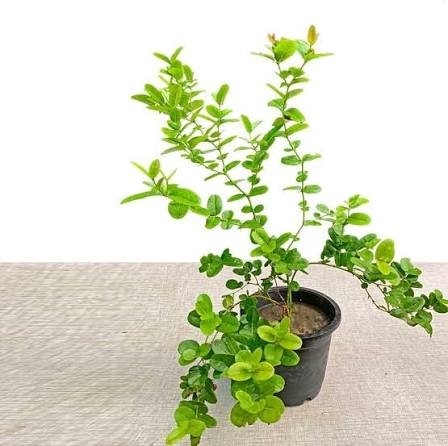
Karonda is a small, sour Indian berry that grows on a thorny evergreen shrub. Its botanical name is Carissa carandas. In different parts of India, it is known by different names such as karonda, karaunda, karamcha, karvanda, Bengal currant and Christ’s thorn.
The plant belongs to the Apocynaceae family and is described in horticultural literature as a hardy, thorny fruit shrub suited to arid and subtropical climates. It is also commonly used as a live fence or bio-fence because of its dense growth and thorns.
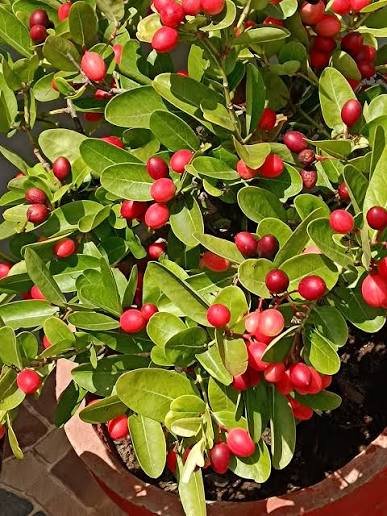
The fruits are small, oval berries. They usually start green or whitish, then turn pinkish-red and finally become deep purple or almost black when fully ripe. (Specialty Produce) The taste can be sharply sour when raw and slightly sweet-sour when mature.
Karonda is widely used in Indian kitchens for:
- Pickles
- Chutneys
- Jams
- Jellies
- Squashes
- Sauces
- Candies
- Traditional sabzi
This is why learning how to grow karonda in pots in India is not just about gardening. It is also about bringing back a beautiful piece of Indian food culture.
Why Karonda Is a Forgotten Native Indian Fruit
India has so many native fruits that once grew easily around homes, farms, hedges and village paths. Karonda was one of them. It was not a fancy supermarket fruit, but it was useful, hardy and deeply connected to local food habits.
Karonda is considered an underutilised fruit crop of arid and semi-arid regions. It grows well in dry areas, can survive with limited care, and has traditionally been used for fencing, fruiting and value-added products like pickles and chutneys. (MDPI)
So why did it become less common?
Mainly because urban homes moved away from edible hedges and native fruit shrubs. Apartment living also made people prefer ornamental plants over fruiting plants. But now, as more people are creating balcony gardens and terrace food gardens, karonda deserves a second chance.
If you are interested in native Indian fruit plants, how to grow karonda in pots in India is a topic worth exploring seriously.
Can Karonda Grow in Pots?
Yes, karonda can grow in pots. In fact, it is a good choice for Indian balconies and terraces if you choose the right container and prune it regularly.
Karonda naturally grows as a bushy, thorny shrub. In open ground, it can become large and spreading. In pots, its growth remains more controlled. That makes it suitable for:
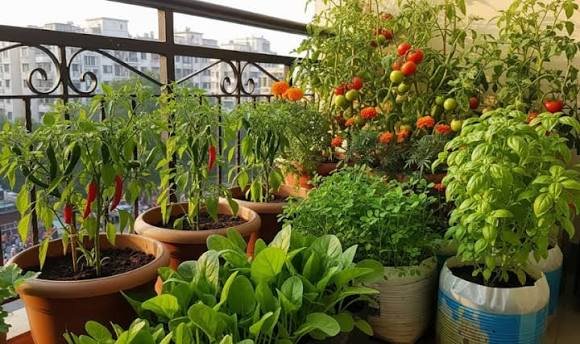
- Sunny balconies
- Terrace gardens
- Courtyard corners
- Kitchen gardens
- Rooftop fruit gardens
- Large grow bags
However, do not expect a tiny 8 inch pot to give you a fruiting karonda plant. If you want flowers and fruits, you need a proper container and good sunlight.
For anyone searching how to grow karonda in pots in India, the first rule is simple: treat it like a fruit plant, not like a small ornamental plant.
Best Climate and Sunlight for Karonda Plant Care
Karonda loves warmth. It performs well in tropical, subtropical, arid and semi-arid regions. Horticultural sources describe it as a drought-hardy plant that can grow in dry regions and tolerate tough conditions better than many commercial fruit crops. (CHFC AU)
For balcony gardening, sunlight is the most important factor.
Ideal Sunlight
Give your karonda plant at least:
5 to 6 hours of direct sunlight daily
Morning sunlight is excellent, especially in very hot cities. In places like Delhi, Jaipur, Ahmedabad and Nagpur, afternoon heat can be harsh in peak summer, so light shade during the hottest hours may help young plants.
In cities like Bengaluru, Pune, Hyderabad, Lucknow, Kolkata and Chennai, a bright sunny balcony or terrace usually works well.
If your balcony gets only indirect light, karonda may survive, but flowering and fruiting will be poor. So, when planning how to grow karonda in pots in India, first check your sunlight.
Best Pot Size for Growing Karonda in Container
Pot size matters a lot. Karonda has a strong root system and needs space to become a healthy fruiting shrub.
For a Young Plant
Start with:
12 to 14 inch pot
This is enough for the first year if your plant is small.
For a Fruiting Plant
Shift to:
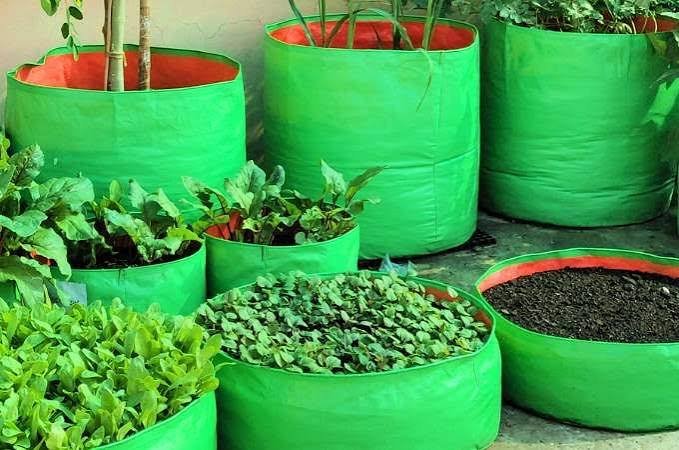
18 to 24 inch pot or grow bag
A 20 inch pot is a good practical size for most home gardeners. If you have a terrace, you can go bigger.
Best Container Type
You can use:
- Cement pot
- Plastic pot
- Terracotta pot
- HDPE grow bag
- Large drum planter
Whatever you choose, drainage is non-negotiable. Karonda dislikes waterlogging. A hardy plant can still suffer if its roots remain wet for too long.
Soil Mix: Best Potting Mix for Karonda in India
A good soil mix should be well-draining but not too dry. Karonda can tolerate many soil types, but in pots, we should make the mix light, airy and fertile.
Use this simple mix:
- 40% garden soil
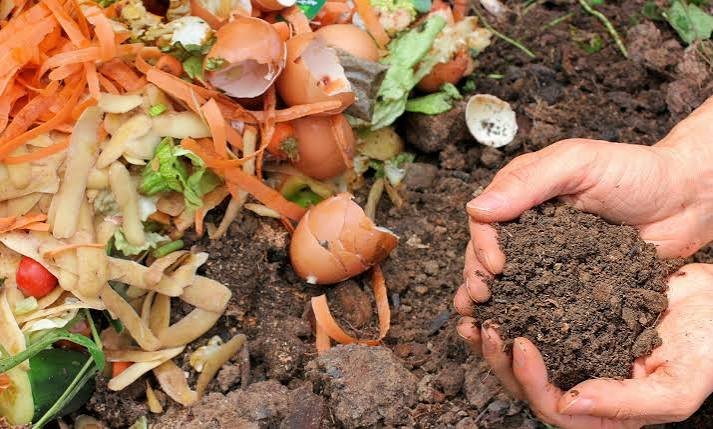
- 25% compost or well-rotted cow dung manure
- 20% cocopeat or leaf mould
- 10% river sand
- 5% neem cake powder or organic matter
You can also add a handful of vermicompost once the plant settles.
For how to grow karonda in pots in India, the main soil rule is this: do not use sticky clay soil alone. It becomes hard in summer and soggy in monsoon.
Drainage Tip
Place broken terracotta pieces or small stones at the bottom of the pot before adding soil. This helps excess water move out easily.
How to Plant Karonda in a Pot
Here is a simple step-by-step method.
- Choose a healthy karonda sapling from a reliable nursery.
- Select a pot with drainage holes.
- Add drainage material at the bottom.
- Fill half the pot with soil mix.
- Remove the plant carefully from the nursery bag.
- Place it in the centre of the pot.
- Fill the sides with soil mix.
- Press gently, but do not compact the soil too much.
- Water thoroughly once.
- Keep the plant in bright shade for 3 to 5 days before moving it to full sun.
This is the easiest method for beginners learning how to grow karonda in pots in India.
Watering Karonda in Pots
Karonda is drought-tolerant once established, but pot-grown plants dry out faster than ground-grown plants. So, you need balance.
Summer Watering
Water when the top 1 to 2 inches of soil feel dry. In hot Indian summers, this may mean watering every 2 to 3 days.
Monsoon Watering
Reduce watering. If the pot is getting rainwater, check the soil before adding more water.
Winter Watering
Water less frequently. The plant does not need daily watering in winter.
Warning Signs of Overwatering
- Yellowing leaves
- Mushy roots
- Foul smell from soil
- Leaf drop
- Fungus on soil surface
For how to grow karonda in pots in India, remember this simple line: karonda can handle some dryness, but it does not enjoy sitting in wet soil.
Feeding and Fertiliser for Karonda Plant
Karonda is not a very demanding plant, but if you want healthy growth and fruiting, feed it regularly.
Use organic feeding:
- Vermicompost once every 30 to 45 days
- Cow dung compost every 2 months
- Neem cake every 2 to 3 months
- Banana peel compost during flowering season
- Liquid compost tea once a month
Avoid too much nitrogen. Excess nitrogen gives leafy growth but fewer flowers.
Before flowering, you can add:
- Bone meal
- Rock phosphate
- Wood ash in small quantity
- Homemade compost
Do not overfeed. Native fruit plants usually prefer steady nutrition, not heavy chemical doses.
Pruning Karonda in Pots
Karonda is naturally bushy and thorny. If you do not prune it, it can become messy in a balcony.
Pruning helps in:
- Controlling size
- Encouraging branching
- Improving sunlight penetration
- Removing weak growth
- Making harvesting easier
When to Prune
Light pruning can be done after fruiting. You can also remove dry or damaged branches whenever needed.
How to Prune
- Wear gloves because karonda has thorns.
- Remove dead, crossing or weak branches.
- Trim very long branches to maintain shape.
- Keep the centre slightly open for air movement.
- Do not cut the plant too hard in one go.
For beginners searching how to grow karonda in pots in India, pruning may sound scary, but it is actually simple. Think of it as giving the plant a haircut, not a surgery.
Flowering and Fruiting Time of Karonda
Karonda flowering and fruiting can vary depending on region, climate and plant type. Some sources mention flowering in early months and again around June-July, with fruits ripening around 60 to 90 days after fruit set. (MDPI) A recent review also notes that karonda bears edible berries around July, ripening by early September. (ScienceDirect)
In many parts of India, you can expect:
- Flowering: Spring to early monsoon
- Fruiting: Monsoon to early autumn
- Harvesting: When fruits turn red, maroon or dark purple
Unripe green or pink fruits are best for pickles. Fully ripe dark fruits can be used for jams, syrups or eating fresh if you like tangy flavours.
How Long Before Karonda Fruits?
This is one of the most common questions in how to grow karonda in pots in India.
A nursery-grown plant may start fruiting in around 2 to 3 years, depending on its age at purchase. Seed-grown plants may take longer and may not always produce the same quality fruit as the parent plant.
For faster results, buy a healthy grafted, layered or established nursery plant instead of starting from seed.
Also remember that fruiting depends on:
- Sunlight
- Pot size
- Plant maturity
- Pollination
- Pruning
- Nutrition
- Seasonal weather
A plant kept in shade will not fruit well even if it is old enough.
Karonda for Pickles, Chutneys and Indian Kitchens
Karonda is not just a garden plant. It is a proper kitchen plant.
Unripe karonda fruits are sour and astringent, which makes them perfect for Indian pickles, sauces and chutneys. Ripe fruits can be used in jams, jellies, squash and other processed products. (CHFC AU)
You can use karonda for:
- Karonda mirchi pickle
- Karonda chutney
- Karonda sabzi
- Sweet-sour preserve
- Jam or jelly
- Homemade squash
If your family enjoys traditional Indian flavours, learning how to grow karonda in pots in India is genuinely useful. One plant may not give commercial-level harvest, but it can give enough fruit for small batches of homemade achar or chutney.
Pests and Diseases in Karonda Plant
Karonda is generally hardy, but container plants can still face pests.
Common issues include:
Mealybugs
White cotton-like insects on stems and leaf joints.
Solution: Spray neem oil mixed with mild liquid soap.
Scale Insects
Small brown bumps stuck to stems.
Solution: Wipe with a cloth and apply neem spray.
Aphids
Tiny insects on new shoots.
Solution: Spray water forcefully, then use neem oil if needed.
Fruit Fly
Can damage soft fruits.
Solution: Harvest on time and do not leave fallen fruits in the pot.
Root Rot
This happens due to overwatering and poor drainage.
Solution: Improve drainage, reduce watering and remove damaged roots if repotting.
For organic balcony gardening, neem oil, compost, sunlight and airflow solve most problems.
Where to Place Karonda in a Balcony or Terrace Garden
Placement is very important because karonda has thorns.
Best places include:
- Sunny balcony corner
- Terrace edge with safe access
- Near railing, but not where children lean
- Courtyard corner
- Large planter near a wall
Avoid placing it:
- In narrow walking passages
- Near children’s play areas
- Where pets may brush against it
- In deep shade
- Under constantly dripping AC water
Because karonda can work like an edible hedge, it is excellent for terrace boundaries if you have enough space.
For apartment gardeners learning how to grow karonda in pots in India, a sunny corner is usually the safest and neatest location.
Common Mistakes to Avoid While Growing Karonda
Avoid these mistakes:
- Using a very small pot
- Keeping the plant in shade
- Watering every day without checking soil
- Using heavy clay soil
- Forgetting pruning
- Ignoring thorns
- Overfeeding with nitrogen fertiliser
- Expecting fruits within a few months
- Not repotting when the plant becomes root-bound
Karonda is easy, but it still needs basic fruit plant care.
Monthly Karonda Plant Care Calendar for India
January to February
Light pruning can be done in many regions. Check for pests and refresh topsoil with compost.
March to April
The plant may start active growth. Increase sunlight exposure and begin regular feeding.
May to June
Water carefully during peak heat. Mulch the soil surface with dry leaves or coco chips.
July to September
Watch for flowering, fruiting and pests. Avoid waterlogging during heavy rains.
October to November
Harvest remaining fruits if available. Add compost and clean the pot area.
December
Reduce watering and avoid heavy pruning in cold regions.
This calendar is flexible because India has different climates. A karonda plant in Delhi will behave differently from one in Bengaluru, Mumbai or Kolkata.
Is Karonda Good for Balcony Gardening?
Yes, karonda is good for balcony gardening if you have sun and space. It is especially suitable for gardeners who want fruit plants for pots in India but do not want overly delicate plants.
Karonda gives you:
- Evergreen foliage
- Edible fruit
- Native Indian character
- Low maintenance growth
- Pickle-friendly harvest
- Drought tolerance
- Ornamental value
The only drawback is thorns. So placement should be thoughtful.
Final Thoughts
If you love desi fruits, balcony gardening and traditional Indian flavours, karonda is a wonderful plant to grow. It is hardy, useful, beautiful and strongly connected to Indian food memories.
The secret to how to grow karonda in pots in India is not complicated. Give the plant a large pot, full sunlight, well-draining soil, careful watering and occasional pruning. Do not pamper it too much, but do not neglect container care either.
In a time when many urban gardens are filled only with decorative plants, karonda brings back something more meaningful. It gives you flowers, fruits, thorns, toughness and a taste of old Indian kitchens.
So, if you have a sunny balcony or terrace, try growing karonda. Your future pickle jar may thank you.
FAQs on How to Grow Karonda in Pots in India
Is karonda drought-tolerant?
Yes, karonda is drought-tolerant once established. It is known as a hardy plant suited to dry and semi-dry regions. However, when you grow karonda in pots, the soil dries faster, so you still need to water it when the topsoil becomes dry.
How long does karonda take to fruit?
Karonda usually takes around 2 to 3 years to start fruiting, depending on the plant’s age, variety, sunlight and care. A nursery-grown plant may fruit faster than a seed-grown plant.
Can karonda grow in a balcony?
Yes, karonda can grow in a balcony if it receives at least 5 to 6 hours of direct sunlight. Use a large pot and keep it in a corner because the plant has thorns.
What pot size is best for karonda?
For serious fruiting, use an 18 to 24 inch pot or grow bag. A smaller pot may keep the plant alive, but it may not support strong fruiting.
Does karonda need full sunlight?
Yes, karonda performs best in full sun. Low sunlight can reduce flowering and fruiting.
Can I grow karonda from seed?
Yes, karonda can be grown from seed, but it takes longer to fruit and the fruit quality may vary. For home gardeners, a nursery-grown plant is easier.
Is karonda good for terrace gardens?
Yes, karonda is excellent for terrace gardens because it is hardy and sun-loving. Just ensure the pot has good drainage and is placed safely away from regular walking paths.
Can karonda be used for pickles?
Yes, unripe karonda fruits are widely used for pickles, chutneys and sauces. This is one of the main reasons Indian gardeners like growing this plant at home.
Why is my karonda plant not fruiting?
Common reasons include lack of sunlight, small pot size, immature plant age, too much nitrogen fertiliser, poor pruning or lack of pollination.
Is karonda safe around children and pets?
The plant has sharp thorns, so it should not be kept in areas where children or pets may brush against it. Place it in a safe sunny corner.
See Also
How to grow karonda in pots
How to get Maximum Karonda in pot || Gooseberry Gardening in Pot
How to Grow Curry Leaf Plant from Cuttings in India: The Right Way to Root Kadi Patta
How to Grow Methi in Pots at Home in India: The Ultimate 20-Day Fenugreek Leaves Guide