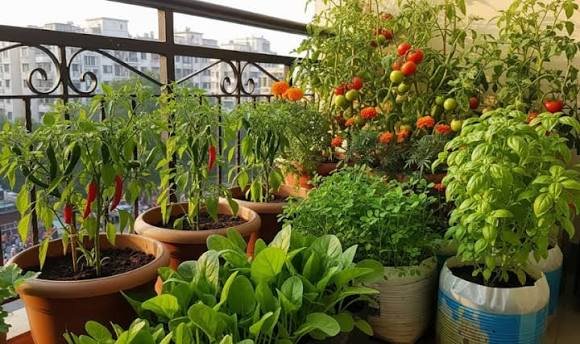

Living in a bustling Indian city usually means trading sprawling open yards for cozy apartment living. High-rise buildings, concrete views, and compact spaces have become our norm in places like Bengaluru, Mumbai, Delhi, and Hyderabad. But who says you need an acre of land to enjoy the luxury of fresh, homegrown food? Wondering which are the easiest vegetables to grow in balcony ?
If you have a small balcony, a sunny window ledge, or a tiny utility terrace, you are sitting on a goldmine of green potential. Imagine stepping out into your balcony while cooking dinner and snipping a handful of fragrant dhania for your curry, or harvesting juicy, sun-warmed cherry tomatoes for a quick evening salad.
Turning small urban apartment spaces into edible green patches is not only incredibly therapeutic, but it is also the best way to shield your family from chemical-laden, pesticide-heavy produce sold in the markets.
If you think you have a “black thumb” or worry that your apartment doesn’t get enough sunlight, don’t worry. This guide is specifically designed for Indian homes. Let’s look at the absolute easiest vegetables to grow in balcony India that require minimal effort but deliver maximum freshness.
The Low-Maintenance List: 7 Veggies Anyone Can Grow
You don’t need a degree in agricultural science to start your container farming journey. These seven chosen vegetables are forgiving, fast-growing, and perfectly suited for typical Indian weather conditions.
1. Mint (Pudina) – The Indestructible Refreshment
If there is one plant that refuses to die, it’s pudina. Perfect for summers, homegrown mint has an intensely crisp aroma that puts store-bought bundles to shame.
- The Magic Trick: You don’t even need seeds! Buy a fresh bunch of mint from your local sabzi mandi, pluck off the large leaves for a refreshing chutney, and save the thick stems. Place these stems in a glass of water for 3 to 4 days until tiny white roots appear, then bury them horizontally in a wide container. Within two weeks, you’ll have a lush bush of mint.
2. Coriander (Dhania) – The King of Indian Garnishes
No Indian dish is truly complete without a generous shower of freshly chopped hari dhania. Luckily, it is one of the easiest vegetables to grow in balcony India.
- The Magic Trick: Open your kitchen spice box and take whole coriander seeds (sabu dhania). Lightly crush them between your palms or using a rolling pin until they split into two halves. Scatter these split seeds over a flat container, cover with a thin layer of soil, and water gently. Your kitchen garnish will begin sprouting in less than a week.
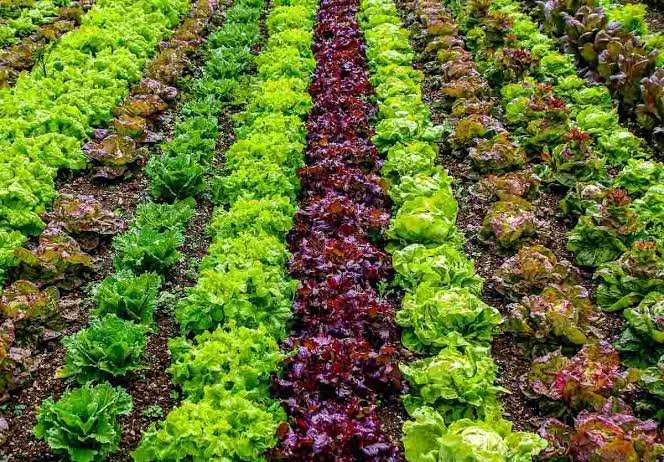
3. Spinach (Palak) – Quick-Growing Iron Powerhouse
Palak is incredibly rewarding because it grows fast and allows for multiple harvests. It has shallow roots, which means you don’t need deep, heavy pots to get a massive yield.
- How to Grow: Sow spinach seeds directly into a wide, shallow tray. Once the leaves grow to about 5 to 6 inches tall, cut only the outer, larger leaves from the base. Leave the center intact, and the plant will keep regenerating fresh leaves for you every couple of weeks!
4. Fenugreek (Methi) – The 30-Day Wonder
If you want instant gratification, methi is your best friend. It is the undisputed champion of fast harvesting in an Indian apartment garden.
- How to Grow: Grab a spoonful of methi seeds from your kitchen pantry. Soak them in water overnight to speed up germination. The next morning, sprinkle them across your potting soil. Within 3 to 4 days, a vibrant green carpet will emerge, and you can harvest fresh microgreens or fully grown methi leaves for parathas in just 25 to 30 days.
5. Green Chillies (Hari Mirch) – The Spicy Balcony Essential
A single, well-cared-for chili plant can keep an entire Indian household supplied with spicy heat for months.
- How to Grow: You can purchase high-yielding seeds like Pusa Jwala or use seeds from dried red chillies in your kitchen. They do require a slightly deeper pot (around 10 to 12 inches) compared to leafy greens, but they are incredibly resilient against heat, making them a stellar choice for sunny Indian balconies.
6. Cherry Tomatoes – Heavy Producers in Small Spaces
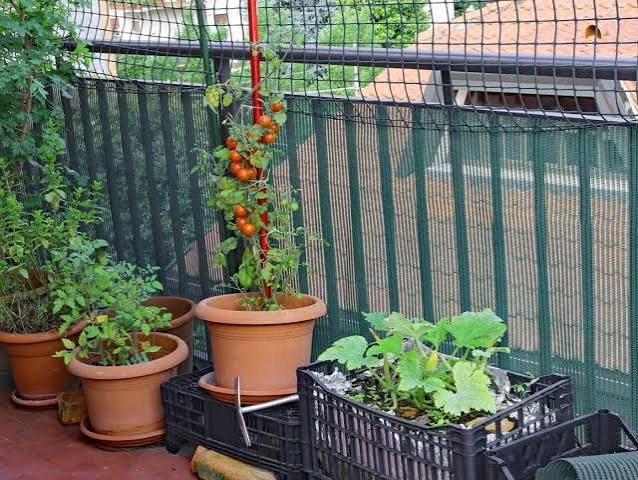
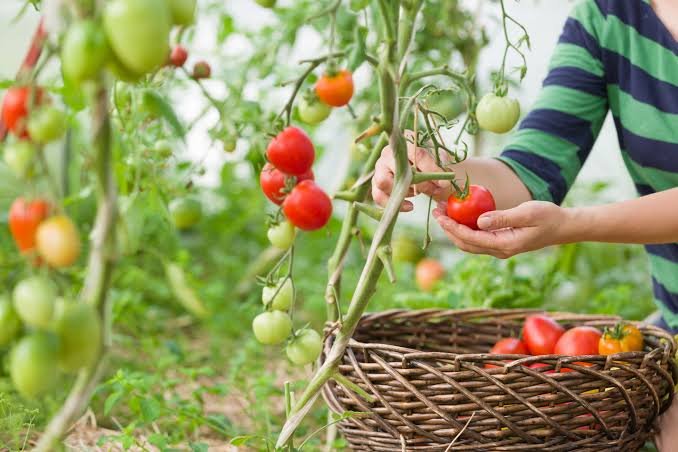
While large commercial tomatoes can be tricky and heavy for balconies, cherry tomatoes are a joy to grow. They are highly prolific, producing dozens of sweet, bite-sized fruits on a single vine.
- How to Grow: Plant them in a deep container and provide a wooden stick or a small trellis for support as they grow tall. Kids love watching them turn from tiny green beads into bright, glossy crimson drops!
7. Radish (Mooli) – The Crunchy Underground Surprise
If you want to try your hand at root vegetables, skip the deep carrots or potatoes for your first attempt and pick mooli. White radishes grow exceptionally fast in loose container soil.
- How to Grow: Ensure your pot is at least 10 to 12 inches deep so the radish can grow downward without restriction. Within 40 to 50 days, you can pull them up by their greens to reveal crisp, peppery, homegrown radishes perfect for winter salads.
Space & Light Assessment: Mapping Your Balcony’s Microclimate
Before running to the local nursery to buy everything, take a step back and look closely at your balcony. Not all balconies are created equal. The amount of direct sunlight your space receives dictates exactly what you can grow successfully.
+------------------------------------------------------------+
|                  BALCONY SUNLIGHT ZONE MAP                 |
+------------------------------------------------------------+
| Full Sun Zone (6+ Hours)     | Partial Shade Zone (2-4 Hrs)|
| ------------------------     | --------------------------- |
| * Green Chillies             | * Mint (Pudina)             |
| * Cherry Tomatoes            | * Coriander (Dhania)        |
| * Radish (Mooli)             | * Spinach (Palak)           |
|                              | * Fenugreek (Methi)         |
+------------------------------------------------------------+
The Full Sun Zone (6+ Hours of Direct Sunlight)
If you have a South-facing or East-facing balcony that gets drenched in bright, hot sunlight for most of the day, you have the jackpot setup for fruiting vegetables.
- Best Crops: Green Chillies, Cherry Tomatoes, and Radish.
- Urban Danger Tip: Intense Indian summer afternoons (especially in northern and central plains) can scorch container plants. If your balcony hits over $38^\circ\text{C}$ in May, consider putting up a temporary green shade net to filter the harsh midday glare.
The Partial Shade / Bright Indirect Zone (2 to 4 Hours of Sunlight)
If your balcony faces North or West, or is blocked by an adjacent high-rise apartment building, don’t lose heart. Leafy greens don’t require heavy sun to synthesize sugar and thrive perfectly in dappled light or short windows of morning sun.
- Best Crops: Mint, Coriander, Spinach, and Fenugreek.
- Urban Danger Tip: In shady areas, soil stays damp for much longer. Be very careful with your watering schedule to prevent fungal growth on the surface of your potting mix.
The Urban Container Guide: Plastic Pots vs. Fabric Grow Bags
When space and weight are major concerns on an apartment balcony, choosing the right container material makes a massive structural difference. Let’s look at how the traditional options stack up against modern urban solutions.
1. Traditional Plastic Pots
- The Good: They are very cheap, widely available at every local nursery, come in fun colors, and retain water well (which helps during dry summer months).
- The Bad: Cheap plastic turns brittle and cracks open under the blistering Indian sun within a single season. More importantly, they offer zero airflow to the roots, which can easily lead to root rot if you accidentally overwater your plants.
2. Lightweight Fabric Grow Bags (The Modern Standard)
If you ask any seasoned urban gardener about the easiest vegetables to grow in balcony India, they will highly recommend switching to breathable fabric grow bags.
- The Good: Made from breathable, heavy-duty geotextile material, these bags allow air to penetrate the soil from all sides. This process triggers air-pruning—when plant roots reach the fabric edge, they naturally stop growing long and instead branch out into thousands of healthy micro-roots. This prevents the plant from becoming “root-bound.” They are also incredibly lightweight, reducing the structural load on your balcony railing or ledge.
- The Bad: Because they breathe, water evaporates faster. You will need to water your plants a bit more frequently compared to plastic containers.
Container Sizing Quick Reference
To avoid stunted growth, always match your vegetable to the right size container:
- Shallow Trays (6-8 inches deep): Best for Coriander, Mint, Spinach, and Fenugreek.
- Medium/Deep Pots (10-12 inches deep): Mandatory for Green Chillies, Cherry Tomatoes, and Radish.
Summary Checklist: Your Seed-to-Plate Timeline
To keep your urban container garden on track, use this handy timeline checklist to understand when your fresh balcony veggies will be ready to make their way to your dining table:
| Vegetable | Planting Method | Days to Sprout | Average Days to First Harvest | Best Balcony Position |
| Mint (Pudina) | Stem cuttings | 3 – 5 days | 15 – 20 days | Partial Shade / Bright Indirect |
| Fenugreek (Methi) | Direct sowing | 2 – 4 days | 25 – 30 days | Partial Shade to Full Sun |
| Coriander (Dhania) | Split seeds | 5 – 8 days | 35 – 45 days | Partial Shade / Morning Sun |
| Spinach (Palak) | Direct sowing | 4 – 7 days | 40 – 45 days | Partial Shade / Bright Indirect |
| Radish (Mooli) | Direct sowing | 3 – 5 days | 45 – 50 days | Full Sun (Deep Container) |
| Green Chillies | Nursery transplant | 7 – 12 days | 75 – 85 days | Maximum Direct Sunlight |
| Cherry Tomatoes | Nursery transplant | 6 – 10 days | 80 – 90 days | Maximum Direct Sunlight |
Simple Golden Rules for Balcony Success
As you kick off your apartment garden, keep these three final tips in mind:
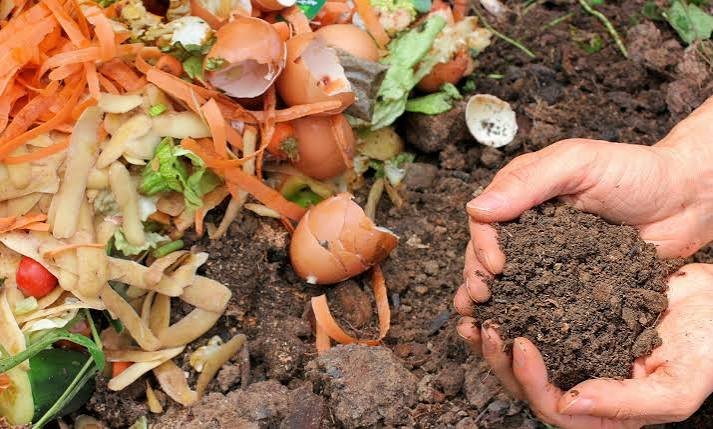
- Never use plain garden mud: Always create a light potting mix using equal parts garden soil, cocopeat, and compost. Plain mud hardens like concrete in a pot and suffocates roots.
- The Finger Test for Watering: Before pouring water, stick your finger an inch deep into the soil. If it feels wet or sticky, don’t water. Only water when the top layer feels completely dry to the touch.
- Feed them regularly: Because container plants have limited soil, they run out of nutrients quickly. Add a handful of vermicompost or seaweed liquid extract to your pots every 20 days to keep them thriving.
Starting a balcony garden is a beautiful journey that connects you back to the rhythms of nature. Start small with simple greens like methi or pudina, build up your confidence, and soon your apartment balcony will be transformed into a lush, vibrant green oasis!
See Also
Small Balcony Garden: Vegetables you must grow
How to Grow Chillies in Pots at Home in India: The Ultimate Guide to Fiery Hari Mirch