
When winter sets in across India, our kitchen menus undergo a wonderful transformation. Warm parathas, hot bowls of dal, and rich, earthy leafy greens (saag) start making daily appearances on the dining table. While spinach (palak) and mustard greens (sarson) usually steal the spotlight, true food lovers know that winter comfort food hits a whole new level when you add Bathua.
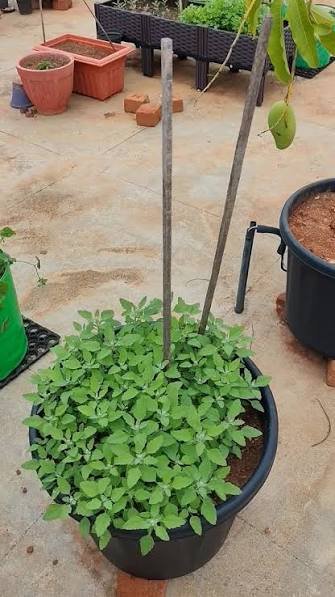
Known scientifically as Chenopodium album (and internationally as Lamb’s Quarters or Pigweed), Bathua is a powerhouse native leafy vegetable. For generations, Indian farmers considered it a naturally growing wild weed. But today, agricultural institutes like ICAR (Indian Council of Agricultural Research) highlight Bathua as a prime example of a “weed to wealth” superfood—packed with iron, calcium, vitamin A, and essential fiber.
If you have been wondering how to grow bathua in pots in India, you are in luck! Bathua is arguably one of the easiest, most forgiving greens you can grow on your balcony, terrace, or kitchen garden. Let’s walk through everything you need to know to cultivate this heritage winter green at home.
1. What is Bathua? The Science and Heritage Behind the Green
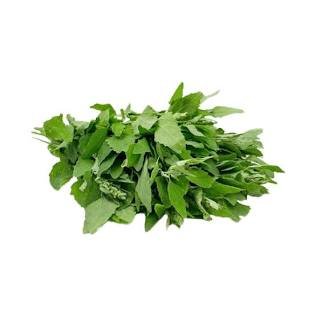
Bathua is an annual, fast-growing leafy herbaceous plant belonging to the Amaranthaceae family. It features small, diamond-shaped or lance-like leaves with serrated edges and a subtle white, powdery coating on the undersides of young shoots.
+-----------------------------------------------------------------------+
|                       BATHUA AT A GLANCE                              |
+-----------------------------------------------------------------------+
|  Botanical Name    : Chenopodium album                               |
|  Local Names       : Bathua (Hindi), Chandan Betu (Bengali),          |
|                      Paruppu Keerai (Tamil), Vastukah (Sanskrit)      |
|  Crop Season       : Rabi (Winter / October to March)                |
|  Growing Difficulty: Extremely Easy (Thrives like a weed!)           |
|  Key Nutrients     : Iron, Calcium, Potassium, Vitamin A, Vitamin C  |
+-----------------------------------------------------------------------+
Historically, Bathua grew wild in wheat and mustard fields across Northern and Central India. Because it required zero cultivation effort, farmers harvested it alongside their main crops. Over time, urban supermarkets began favoring uniform, commercially farmed greens like hybrid spinach, making fresh Bathua harder to find in big city markets—earning it the title of a “forgotten green.”
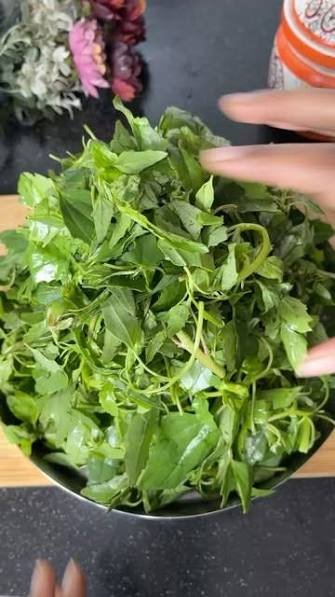
2. Bathua in North Indian Winter Food Culture
In traditional North Indian homes, winter meals are incomplete without Bathua. Its earthy, slightly tangy flavor adds depth to heavy winter dishes and helps digest rich, ghee-laden meals.
- Sarson ka Saag Companion: Adding a handful of tender Bathua leaves to Mustard (Sarson) and Spinach (Palak) tempers the sharp bitterness of mustard greens, giving the saag a velvety texture.
- Bathua Raita: Boiled, mashed Bathua leaves whipped into fresh curd with roasted cumin (jeera) and black salt is a legendary winter digestive side dish.
- Bathua Paratha: Finely chopped or puréed Bathua kneaded directly into whole wheat dough creates soft, vibrant green parathas perfect for chilly mornings.
3. Why Bathua is Called a “Forgotten Green” (and Why You Should Revive It)
For years, Bathua was labeled an unwanted agricultural weed because it grows aggressively in fertile soil. However, modern nutritional research has flipped the narrative. Agricultural experts now advocate for wild edible greens because they are far more resilient and nutrient-dense than commercial hybrid crops.
The Nutritional Advantage
- Iron & Hemoglobin: Bathua contains higher concentrations of bioavailable iron than standard spinach.
- Zero Pesticides: Because Bathua is naturally pest-resistant and hardy, growing it at home gives you 100% organic, chemical-free greens.
- Low Maintenance: Unlike finicky exotic herbs, Bathua survives fluctuating winter temperatures with minimal fuss.
By learning how to grow bathua in pots in India, you aren’t just growing food—you are preserving a piece of India’s culinary heritage right on your balcony!
4. Best Season to Sow Bathua Seeds in India
Bathua is strictly a winter crop (Rabi season) in Indian climate conditions. It thrives in cool temperatures and short daylight hours.
- Ideal Sowing Window: October to November across most of Northern, Central, and Eastern India.
- Temperature Sweet Spot: 15°C to 25°C.
- Southern / Coastal India: You can sow Bathua between November and January when night temperatures dip slightly.
Gardening Note: Avoid sowing Bathua seeds during peak summer (May–July). High heat and long sunlit days trigger early flowering (bolting), making the leaves tough, bitter, and unpalatable.
5. Can Bathua Grow in Pots and Containers?
Yes, absolutely! In fact, growing Bathua in pots is often better than planting it directly in an open ground garden bed. Since Bathua self-seeds very aggressively, growing it in containers prevents it from taking over your other vegetable patches.
CONTAINER SUITABILITY SCORE:
Root Depth Requirement : [████░░░░░░░░░░░░░░░░] Shallow (6 to 8 inches)
Growth Speed           : [██████████████████░░] Very Fast (3-4 weeks)
Yield Per Square Foot  : [████████████████████] High Density
Bathua has a shallow, fibrous root system. It spreads outwards rather than deep into the earth, making wide grow bags and shallow rectangular balcony planters perfect for growing lush harvests.
6. Selecting the Right Pot Depth and Soil Mix
To get lush, bushy Bathua leaves, focus on container width and rich, well-draining soil.
Pot Size and Depth
- Container Depth: 6 to 9 inches is more than enough depth.
- Container Width: Choose broad rectangular planters (24 inches long) or wide circular grow bags (12 to 18 inches diameter). The broader the surface area, the more seeds you can sow!
- Drainage: Ensure the pot has at least 3–4 clear drainage holes at the bottom to prevent water stagnation.
The Ideal Potting Soil Mix
Bathua loves fertile, organic-rich soil that holds light moisture without becoming soggy or waterlogged.
+-----------------------------------------------------------------------+
|                    BEST POTTING SOIL FORMULA                          |
+-----------------------------------------------------------------------+
|  50% Garden Soil (Red soil or alluvial topsoil)                       |
|  30% Vermicompost or Aged Cow Manure (Gobar Khaad)                     |
|  20% Coco Peat or River Sand (For aeration and smooth drainage)        |
|  + 1 Handful of Neem Cake Powder (To protect roots from pests)        |
+-----------------------------------------------------------------------+
7. Step-by-Step Seed Sowing Method for Bathua
When mastering how to grow bathua in pots in India, your seed sowing technique plays a major role in preventing overcrowded, weak seedlings.
+-----------------------------------------------------------------------+
|                    BATHUA SEED SOWING PROCESS                         |
+-----------------------------------------------------------------------+
|  [Step 1] Fill pot with loose potting mix; leave 1 inch rim space.    |
|  [Step 2] Mix tiny black Bathua seeds with dry river sand (1:4 ratio).|
|  [Step 3] Scatter sand-seed mix evenly over the soil surface.         |
|  [Step 4] Cover seeds lightly with a 1/4-inch thin layer of compost.  |
|  [Step 5] Mist gently using a spray bottle to avoid displacing seeds. |
+-----------------------------------------------------------------------+
Why Mix Seeds with Sand?
Bathua seeds are microscopic, smooth, and pitch-black. If you broadcast them directly from your hand, they will drop in heavy clusters, causing hundreds of tiny plants to choke each other out. Mixing 1 teaspoon of seeds with 4 teaspoons of fine dry sand helps scatter them evenly across the pot.
Germination Time
Under ideal winter temperatures (18°C to 22°C), Bathua seeds germinate rapidly within 3 to 7 days.
8. Essential Plant Care: Watering, Sunlight, and Feeding
Once your seedlings emerge, caring for Bathua is almost effortless compared to delicate herbs like coriander.
Sunlight Requirements
- Place your pots where they receive 4 to 6 hours of direct sunlight daily.
- Balconies facing South or East are ideal winter locations.
Watering Protocol
- Keep the soil consistently moist, but never soggy.
- Use a gentle spray nozzle or watering can with a rose head. High-pressure hose water will flatten delicate young seedlings.
- Water in the morning so excess moisture on the leaves evaporates before nightfall.
Fertilizer Needs
Since Bathua is a leafy crop with a short growth cycle, it doesn’t need heavy chemical fertilizers.
- Mix vermicompost into the potting soil before sowing.
- Feed the plants with a liquid organic fertilizer—like mustard cake liquid manure (Sarson ki Khali) diluted in water—once every 15 days after the first harvest to boost leafy growth.
9. First Harvest Timeline and Cutting Technique
One of the most rewarding aspects of learning how to grow bathua in pots in India is how quickly you get to harvest fresh greens for your kitchen!
GROWTH TIMELINE:
Day 1-7   : Germination (Tiny green shoots appear)
Day 15    : Thinning (Remove crowded seedlings to leave 2-inch gaps)
Day 25-30 : First Harvest (Tender top leaves ready for snipping)
Day 40+   : Second & Third Harvest Cycles
The “Cut-and-Come-Again” Harvesting Method
Do not pull the entire plant out by the roots during harvest!
Instead, use a sharp pair of kitchen scissors or clean pruning shears to snip off the top 3 to 4 inches of tender central stems, leaving the bottom 2 inches intact with a few leaves. The plant will branch out from the leaf nodes, producing double the shoots for your next harvest 10 to 12 days later.
10. Delicious and Healthy Ways to Use Fresh Homegrown Bathua
Once you harvest your clean, organic Bathua from your balcony, here are simple ways to cook it:
- Classic Bathua Raita: Steam a bowl of leaves for 3 minutes, blend gently, and whisk into cold curd with black salt, roasted cumin powder, and a dash of red chili.
- Bathua-Palak Parathas: Blanch Bathua with spinach, purée with green chilies and ginger, and knead into whole wheat flour for wholesome green parathas.
- Winter Saag Blend: Chop Bathua along with Sarson, Palak, and Methi. Slow-cook with garlic and white butter for an authentic Punjabi feast.
Final Verdict
Reviving heritage greens like Bathua in urban home gardens is deeply satisfying. When you know how to grow bathua in pots in India, you get access to fresh, pesticide-free, nutrient-packed winter greens right outside your window—all for the cost of a simple packet of seeds!
Grab a wide container, prepare a rich compost-filled soil mix, and sow your seeds this coming winter. Your kitchen table will thank you!
Frequently Asked Questions (FAQs)
1. Is Bathua the same as spinach?
No, Bathua (Chenopodium album) and Spinach (Spinacia oleracea) belong to different plant genera, though both are winter leafy greens. Bathua has smaller, wilder diamond-shaped leaves with serrated edges and a slightly nuttier, earthier taste compared to smooth, mild spinach leaves.
2. Can Bathua regrow after cutting?
Yes! Bathua grows back exceptionally well using the “cut-and-come-again” method. If you harvest only the top tender stems while leaving the lower nodes intact, the plant will push out fresh side shoots. You can get 3 to 4 abundant harvests from a single pot throughout the winter season.
3. Why are my Bathua plants flowering early?
Bathua plants flower (bolt) early when exposed to high heat (above 28°C), drought stress, or root crowding. To prevent premature flowering, sow seeds strictly during the cool winter months, keep the soil consistently moist, and harvest tender leaves regularly before flower buds form at the tips.
4. Can I eat raw Bathua leaves in salads?
It is best to cook or blanch Bathua before eating. Like many wild leafy greens, Bathua contains moderate levels of oxalic acid. Cooking, steaming, or boiling neutralizes oxalates, making the nutrients easier to digest and safer for your kidneys.
See Also
How to grow Bathua in container/Easiest way to grow bathua/Chenopodium album
Growing Lamb’s Quarters or Bathua or Bathu from seeds (first 6 weeks)
How to Grow Curry Leaf Plant from Cuttings in India: The Right Way to Root Kadi Patta
How to Grow Methi in Pots at Home in India: The Ultimate 20-Day Fenugreek Leaves Guide