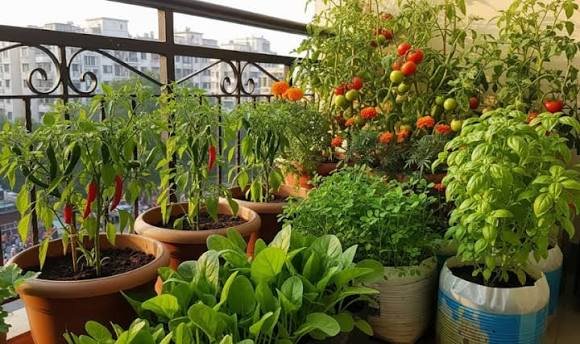

Namaste, fellow home gardeners! If you have ever stood on your terrace or balcony, holding a healthy green sapling in one hand and three different sizes of grow bags in the other, completely puzzled about which one to choose—you are definitely not alone. Container gardening across urban India has exploded over the past few years. Whether you are living in a high-rise apartment in Bengaluru, a sunny flat in Delhi, or a coastal setup in Mumbai, growing your own fresh, organic vegetables on your terrace or balcony is one of the most rewarding feelings in the world.
However, one of the primary reasons beginner gardeners fail or end up with stunted plants, yellowing leaves, and disappointing harvests isn’t a lack of effort or water—it is selecting the wrong container size. A pot or bag that is too small suffocates the root system, heats up rapidly under the scorching Indian summer sun, and forces you to water your plants three times a day. On the flip side, an oversized bag for small leafy greens wastes expensive potting soil mix and holds excess moisture that invites root rot.
That is precisely why we created this comprehensive, authoritative grow bag size chart for Indian vegetables. As a neutral, unbiased resource from GardenFresh India, we aren’t here to push a single bag size. Instead, we break down exact dimensions (inches and centimetres), volumetric capacities in litres, root depth requirements, ideal plant counts per bag, staking support needs, and the exact quantity of potting mixture required for 30 popular Indian vegetables. Let’s dive right in and turn your terrace into a high-yielding, lush green sanctuary!
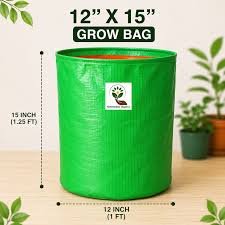
Grow bag for Indian vegetables1. Quick Grow-Bag Size Chart for 30 Indian Vegetables
Here is your master vegetable container-depth chart and quick reference guide. It lists 30 common Indian garden crops along with their minimum container dimensions, volume in litres, recommended plant density, support requirements, and ideal varieties for Indian growing conditions.
| Crop | Min. Diameter × Depth (Inches) | Min. Depth (cm) | Approx. Volume (Litres) | How Many Plants Per Grow Bag | Support Required | Recommended Indian Variety Type |
| Tomato | 12″ × 12″ (Indet: 15″×15″) | 30 – 38 cm | 22 – 35 L | 1 plant | Sturdy Stake / Cage | Arka Rakshak, Pusa Ruby, Rashmi |
| Brinjal (Eggplant) | 12″ × 12″ to 15″ × 15″ | 30 – 38 cm | 22 – 35 L | 1 plant | Single Bamboo Stake | Pusa Purple Long, Arka Navneet, Green Long |
| Chilli / Capsicum | 12″ × 12″ | 30 cm | 22 L | 1 plant | Optional Stake | Pusa Jwala, California Wonder (Capsicum) |
| Okra (Bhindi) | 12″ × 12″ | 30 cm | 22 L | 1 to 2 plants | Not Required | Arka Anamika, Pusa Sawani |
| Bitter Gourd (Karela) | 15″ × 15″ or 18″ × 18″ | 38 – 45 cm | 35 – 60 L | 1 to 2 plants | Trellis / Netting | Pusa Vishesh, Arka Harit |
| Bottle Gourd (Lauki) | 18″ × 18″ or 24″ × 24″ | 45 – 60 cm | 60 – 100 L | 1 plant | Strong Overhead Trellis | Pusa Naveen, Arka Bahar |
| Ridge Gourd (Turai) | 15″ × 15″ or 18″ × 18″ | 38 – 45 cm | 35 – 60 L | 1 to 2 plants | Vertical Trellis | Pusa Nasdar, Arka Sujat |
| Sponge Gourd (Nenua) | 15″ × 15″ | 38 cm | 35 L | 1 to 2 plants | Trellis / Mesh | Pusa Chikna |
| Cucumber (Kheera) | 12″ × 12″ or 15″ × 15″ | 30 – 38 cm | 22 – 35 L | 1 to 2 plants | Vertical Support Net | Pusa Sanyog, Japanese Long Green |
| Pumpkin (Kaddu) | 24″ × 24″ | 60 cm | 100 L+ | 1 plant | Heavy Frame / Ground Vine | Pusa Vikas, Arka Chandan |
| Spinach (Palak) | 24″ × 6″ or 18″ × 9″ | 15 – 22 cm | 15 – 25 L | 10 to 12 plants | None | All Green, Pusa Harit |
| Coriander (Dhania) | 24″ × 6″ or 15″ × 6″ | 15 cm | 10 – 18 L | 20+ plants (scattered) | None | Pant Haritima, Local Broad Leaf |
| Fenugreek (Methi) | 24″ × 6″ or 18″ × 6″ | 15 cm | 10 – 18 L | 25+ plants (broadcast) | None | Pusa Early Bunching, Kasuri Methi |
| Amaranthus (Chaulai) | 18″ × 6″ or 15″ × 9″ | 15 – 22 cm | 15 – 20 L | 8 to 10 plants | None | Pusa Lal Chaulai, Pusa Kirti |
| Lettuce | 12″ × 6″ or 18″ × 6″ | 15 cm | 10 – 15 L | 3 to 4 plants | None | Iceberg, Grand Rapids, Butterhead |
| Radish (Mooli) | 18″ × 12″ or 24″ × 12″ | 30 cm | 25 – 40 L | 6 to 8 plants | None | Pusa Chetki, Pusa Reshmi |
| Carrot (Gajar) | 15″ × 12″ or 18″ × 12″ | 30 cm | 22 – 35 L | 8 to 10 plants | None | Pusa Kesar (Red), Nantes (Orange) |
| Beetroot (Chukandar) | 15″ × 9″ or 18″ × 9″ | 22 cm | 18 – 25 L | 5 to 6 plants | None | Crimson Globe, Detroit Dark Red |
| Potato (Aloo) | 15″ × 15″ or 18″ × 18″ | 38 – 45 cm | 35 – 60 L | 3 to 4 seed tubers | None (Hilling required) | Kufri Jyoti, Kufri Pukhraj |
| Onion (Pyaz) | 18″ × 9″ or 24″ × 9″ | 22 cm | 20 – 30 L | 10 to 12 plants | None | Pusa Red, Agrifound Light Red |
| Garlic (Lahsun) | 15″ × 6″ or 18″ × 6″ | 15 cm | 12 – 18 L | 10 to 12 cloves | None | Yamuna Safed, Bhima Omkar |
| Ginger (Adrak) | 18″ × 12″ or 24″ × 12″ | 30 cm | 30 – 50 L | 4 to 5 rhizomes | None | Rio de Janeiro, Maran |
| Turmeric (Haldi) | 18″ × 12″ or 24″ × 12″ | 30 cm | 30 – 50 L | 4 to 5 rhizomes | None | Pratibha, IISR Kedaram |
| French Beans (Bush) | 12″ × 12″ or 15″ × 12″ | 30 cm | 22 – 30 L | 3 to 4 plants | Not Required | Arka Komal, Swarna Priya |
| Pole Beans (Climbing) | 15″ × 15″ | 38 cm | 35 L | 3 to 4 plants | Trellis / Strings | Kentucky Wonder |
| Cowpea (Lobia) | 12″ × 12″ or 15″ × 15″ | 30 – 38 cm | 22 – 35 L | 2 to 3 plants | Light Trellis for Pole type | Pusa Komal, Arka Garima |
| Peas (Matar) | 15″ × 9″ or 18″ × 9″ | 22 cm | 18 – 25 L | 6 to 8 plants | Small Twig Stakes | Arkel, Bonneville |
| Cabbage / Cauliflower | 12″ × 12″ | 30 cm | 22 L | 1 plant | None | Golden Acre (Cabbage), Pusa Snowball (Cauli) |
| Mint (Pudina) | 15″ × 6″ or 18″ × 6″ | 15 cm | 10 – 15 L | 5 to 6 cuttings | None | Spearmint / Japanese Mint |
| Curry Leaf (Kadi Patta) | 15″ × 15″ or 18″ × 18″ | 38 – 45 cm | 35 – 60 L | 1 perennial plant | Stake in early stage | Suwasini, DWS-1 |
2. How Grow-Bag Dimensions Are Measured (Inches, Centimetres & Litres)
When browsing online stores or visiting local Indian nurseries, grow bag sizes are usually written in inches formatted as Diameter × Height (for example, 12″ × 12″ or 18″ × 9″). However, understanding how to calculate grow bag size in litres is crucial because potting mix ingredients (such as cocopeat blocks, vermicompost bags, and neem cake) are sold by volume or weight.
For standard round cylindrical bags, you can compute the exact cubic volume in litres using the simple cylinder volume formula:
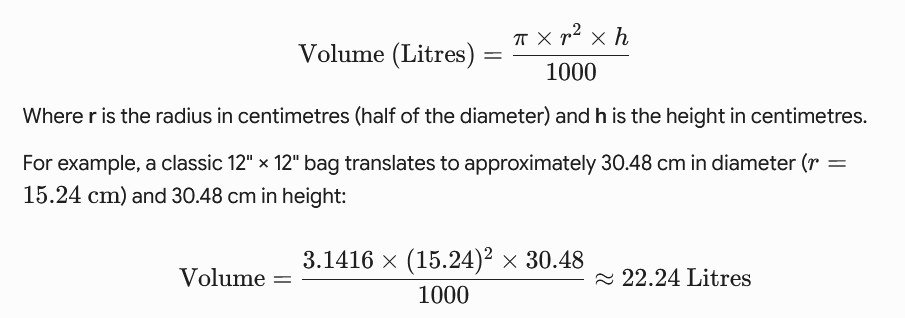
This formula reveals a core rule of container gardening: doubling the diameter of a container quadruples its holding volume! An 18″ × 18″ grow bag holds nearly 61 litres, while a 24″ × 24″ bag holds approximately 178 litres—nearly eight times the volume of a 12″ × 12″ bag!
Pro-Tip for Terrace Gardeners: Always measure your grow bags when they are fully stuffed with moist potting soil. Empty fabric or HDPE bags flex and look slightly smaller or flatter than their true filled dimensions.
3. Leafy Vegetables and Shallow-Rooted Crops
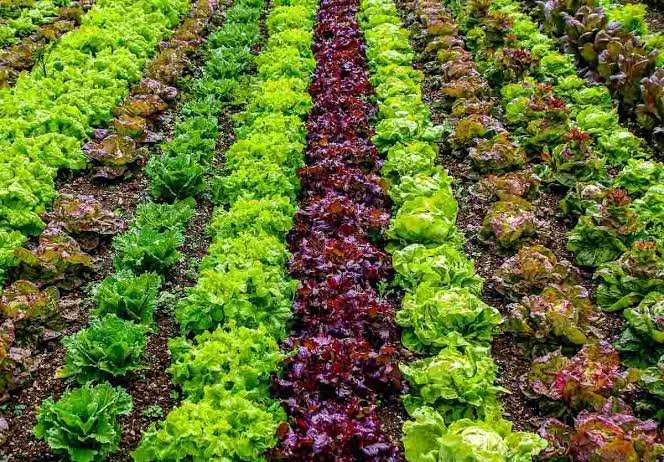
Leafy greens such as spinach (palak), coriander (dhania), fenugreek (methi), amaranthus (chaulai), and lettuce are shallow-rooted crops. Their fine feeding roots rarely extend deeper than 10 to 15 cm (4 to 6 inches). As a result, planting greens in deep pots wastes valuable potting soil mix and increases unnecessary weight on your terrace slab.
For these leafy crops, wide and shallow rectangular grow bags (such as 24″ × 6″ or 36″ × 12″ × 6″) or shallow round bags (18″ × 6″) are the ultimate choice. The critical factor for greens is surface area rather than depth. A broader surface area lets you sow seeds thinly, ensuring excellent airflow between leaves, which dramatically reduces fungal leaf spot diseases during humid Indian monsoons.
How many plants per grow bag for leafy greens? You can broadcast seeds evenly across the surface. Aim for roughly 15 to 25 plants in a 24″ × 6″ rectangular bag, thinning them out continuously as you harvest tender leaves for kitchen use.
4. Tomato, Brinjal, Chilli and Okra (Solanaceous & Summer Staples)
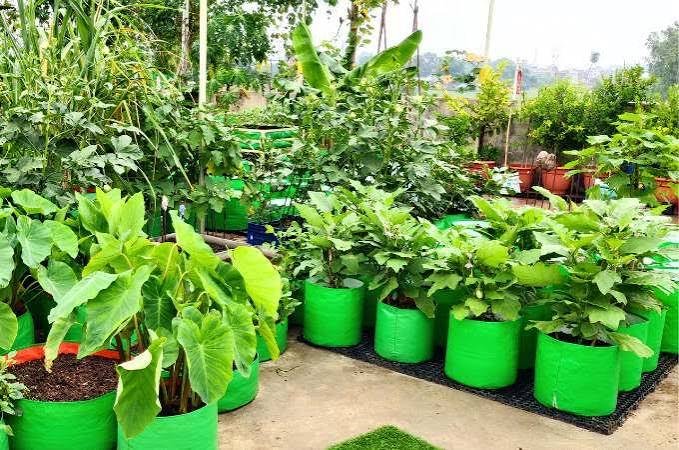
Fruiting solanaceous crops—tomatoes, brinjals (eggplants), and chillies—along with okra (bhindi), form the core of Indian vegetable gardens. These crops feature taproot systems that penetrate downwards while sending out extensive lateral roots. Selecting the right grow bag size for tomato and brinjal directly influences your fruit yield and plant immunity.
Grow Bag Size for Tomato: Bush vs. Climbing Varieties
Understanding your tomato plant’s growth habit is vital:
- Determinate (Bush) Tomatoes: Varieties like Pusa Ruby or Rashmi grow to a fixed height (3 to 4 feet). A 12″ × 12″ grow bag (22 Litres) is ideal for 1 plant.
- Indeterminate (Climbing) Tomatoes: Varieties like Arka Rakshak continuously produce flowers and fruits throughout the season, reaching 6 to 10 feet in height. They require a minimum 15″ × 15″ grow bag (35 Litres) to accommodate their massive root system. Always plant only 1 tomato plant per bag.
For brinjals and chillies, a 12″ × 12″ bag fits 1 mature plant perfectly. Okra (bhindi) can be grown with 1 to 2 plants in a 12″ × 12″ bag, provided you feed them organic vermicompost every fortnight during flowering.
5. Beans, Peas and Climbing Vegetables
Legumes like French beans, pole beans, cowpea (lobia), and winter peas fix atmospheric nitrogen into the soil, making them wonderfully satisfying crops for organic gardeners.
- Bush Beans: Compact bush bean varieties (like Arka Komal) grow up to 1.5 feet high without climbing. A 12″ × 12″ or 15″ × 12″ grow bag can host 3 to 4 bush bean plants comfortably.
- Pole Beans & Cowpeas: Climbing bean varieties send out long tendrils that require vertical support. Grow 3 to 4 plants in a 15″ × 15″ bag (35 Litres) and support them with bamboo stakes or a sturdy trellising net.
- Peas (Matar): Winter peas prefer cool root temperatures. Use an 18″ × 9″ shallow wide bag and sow 6 to 8 seeds spaced 3 inches apart.
6. Gourds, Cucumber and Pumpkin (Cucurbits)
Cucurbits—including bottle gourd (lauki), bitter gourd (karela), ridge gourd (turai), sponge gourd (nenua), cucumber (kheera), and pumpkin (kaddu)—are heavy feeders with large root architectures. Attempting to grow a bottle gourd vine in a small 10-inch container is one of the most common mistakes in Indian container gardening; it leads to blossom drop, yellowing leaves, and undersized fruit.
To get heavy yields of juicy gourds on your terrace, strictly adhere to these minimum size guidelines:
- Cucumber & Bitter Gourd: Minimum 15″ × 15″ bag (35 Litres) for 1 to 2 vines.
- Ridge Gourd & Sponge Gourd: 15″ × 15″ or 18″ × 18″ bag (35–60 Litres) for 1 to 2 vines.
- Bottle Gourd (Lauki): Minimum 18″ × 18″ bag (60 Litres), though a 24″ × 24″ bag (100 Litres) yields far superior results for a single vigorous vine.
- Pumpkin (Kaddu): Requires a massive 24″ × 24″ grow bag (100+ Litres) with a heavy-duty bamboo trellis or sufficient roof space for vines to sprawl.
Key Insight: Vine crops require strong vertical support structures. Ensure your grow bags are resting on steady drainage tiles before installing trellis poles, as moving a 60-litre wet grow bag after planting can damage roots and strain your back!
7. Root Vegetables (Carrot, Radish, Beetroot, Potato, Onion & Garlic)
Growing root vegetables successfully in containers depends heavily on vegetable container-depth chart rules and soil texture. Root crops require loose, friable potting mix without stones or hard clay lumps so that the taproots or bulbs can expand freely without deforming.
Root depth requirements vary by crop:
- Carrot & Long Radish (Mooli): Require a minimum depth of 12 inches (30 cm). A 15″ × 12″ or 18″ × 12″ bag allows you to grow 8 to 10 carrots or 6 to 8 radishes. Ensure the soil mix has a higher ratio of cocopeat and sand for effortless root expansion.
- Beetroot & Onion: Require 8 to 9 inches of depth (22 cm). An 18″ × 9″ rectangular bag accommodates 6 beetroots or 10 onions comfortably.
- Potatoes (Aloo): Potatoes develop tubers along the buried underground stem. Use a tall 15″ × 15″ or 18″ × 18″ grow bag. Fill the bottom 5 inches with soil mix, plant 3 to 4 seed tubers, and gradually add more soil mix (“hilling up”) as the stems grow taller.
- Ginger & Turmeric: These long-duration crops (8 to 9 months) form horizontal rhizomes. They prefer wide, medium-depth containers such as 24″ × 12″ rectangular or round grow bags. Plant 4 to 5 seed rhizomes per bag.
8. Herbs and Perennial Plants
Herbs and perennial plants bring aromatic flavor, medicinal benefits, and natural pest protection to your garden:
- Mint (Pudina): Mint spreads aggressively through underground runners. Plant 5 to 6 cuttings in a shallow, wide bag (15″ × 6″ or 18″ × 6″) to create a dense carpet of mint leaves.
- Curry Leaf (Kadi Patta): Curry leaf is a perennial woody shrub that develops a deep taproot over time. Start young saplings in a 12″ × 12″ bag, and repot them into a 15″ × 15″ or 18″ × 18″ bag (35–60 Litres) by year two to maintain healthy growth for years.
9. Round Versus Rectangular Grow Bags: Which Is Better for Indian Terraces?
Choosing between round and rectangular grow bags depends on your terrace spatial layout and the specific crops you intend to cultivate:
| Feature | Round Grow Bags | Rectangular Raised Bed Grow Bags |
| Best For | Individual deep-rooted crops (Tomato, Brinjal, Gourds, Curry Leaf) | Shallow-rooted crops, leafy greens, root veggies & companion planting |
| Common Sizes | 12″×12″, 15″×15″, 18″×18″, 24″×24″ | 24″×12″×12″, 36″×24″×12″, 48″×24″×12″ |
| Space Efficiency | Flexible; easy to move, re-arrange, or isolate diseased plants | Maximizes terrace floor space; ideal along parapet walls |
| Root Structure Fit | Perfect for vertical taproots & spreading deep root systems | Ideal for shallow lateral root networks and high-density sowing |
10. Drainage-Hole Requirements & Air Pruning Science
Proper drainage is essential for successful container gardening in tropical Indian climates. Waterlogging suffocates root cells, creating an anaerobic environment where pathogen fungi (like Pythium and Phytophthora) cause stem rot and root decay.
The drainage mechanism depends on the grow bag material:
- Fabric Grow Bags (Non-woven geotextile): Do not require dedicated drainage holes. The entire porous fabric wall allows excess water to drain uniformly across the bottom and sides. Additionally, fabric bags enable air pruning: when root tips reach the breathable fabric wall, exposure to air stops their forward growth, prompting the plant to branch out into thousands of fine feeder roots rather than winding round and round in root-bound spirals.
- HDPE Grow Bags (High-Density Polyethylene): HDPE bags are waterproof and non-porous. Therefore, high-quality HDPE bags come pre-punched with drainage holes located 1 to 2 inches above the bottom base rim. This design creates a small reserve reservoir while ensuring excess monsoon rainwater drains out rapidly. Always verify that drainage holes are open before adding soil mix!
11. Fabric vs. HDPE Thickness (GSM) & Indian Weather Durability
When selecting grow bags for Indian weather—where summers exceed 40°C and monsoons bring intense downpours—material quality directly dictates how long your investment lasts.
HDPE Grow Bags (Measured in GSM)
GSM stands for Grams per Square Metre. Higher GSM indicates thicker, more durable material:
- 200 GSM HDPE: Lightweight and budget-friendly, but breaks down under harsh sunlight within 1 to 2 years.
- 240 to 350 GSM UV-Stabilized HDPE: The gold standard for Indian outdoor gardens. Treated with UV inhibitors to withstand direct, intense sunlight without cracking or flaking. Expect a lifespan of 5 to 7+ years.
Fabric Grow Bags (Geotextile)
Made from recycled PET felt or porous geotextile fabric (usually 350 to 400 GSM). Fabric bags keep roots up to 5°C cooler in peak summer due to evaporative cooling. However, in regions with extremely high humidity or heavy rainfall, fabric bags can accumulate exterior moss or algae. Washing them with mild neem water between crop cycles keeps them fresh and clean.
12. How Much Potting Mixture Each Size Requires (Weight vs. Volume)
One of the most frequent questions beginner gardeners ask is: “How many bags of potting soil do I need to buy to fill my grow bags?”
It is crucial to understand that potting mix is calculated by volume (Litres), not weight (kg). A dry cocopeat-based potting mix weighs significantly less than a wet clay-rich soil mix, even though both occupy the exact same volume.
A balanced organic potting soil recipe for Indian containers typically consists of:
- 40% Cocopeat or Coir Pith (for moisture retention and lightweight aeration)
- 30% Vermicompost / Well-rotted Cow Dung Manure (for organic nutrient supply)
- 20% Garden Soil / Rice Husk (for physical stability and drainage)
- 10% Bio-fertilizers & Amendments (Neem cake powder, mustard cake, bone meal, and Trichoderma viride)
Use this reference guide when buying your potting mix supplies:
| Grow Bag Size (Inches) | Volume in Litres | Hydrated Cocopeat Blocks (1kg block ≈ 15L) | Vermicompost Needed (Approx) |
| 9″ × 9″ | 9.3 Litres | 0.6 Block (approx. 600g block) | 2.8 Litres (~1.5 kg) |
| 12″ × 12″ | 22.2 Litres | 1.5 Blocks (1.5 kg block) | 6.6 Litres (~3.5 kg) |
| 15″ × 15″ | 35.5 Litres | 2.3 Blocks (2.3 kg block) | 10.6 Litres (~5.5 kg) |
| 18″ × 18″ | 61.3 Litres | 4.0 Blocks (4.0 kg block) | 18.4 Litres (~9.5 kg) |
| 24″ × 12″ (Rectangular) | 47.2 Litres | 3.1 Blocks (3.1 kg block) | 14.1 Litres (~7.5 kg) |
13. Common Container-Sizing Mistakes in Indian Terrace Gardens
Even experienced gardeners make sizing mistakes. Avoid these four common pitfalls to keep your plants healthy and thriving:
- Overcrowding Saplings (“The Greedy Garden Effect”): Planting 4 tomato seedlings in a single 12″ × 12″ grow bag leads to fierce competition for sunlight, water, and nutrients. The result? Four weak, leggy plants that yield tiny fruits, instead of one robust plant producing abundant, large tomatoes.
- Using Shallow Bags for Taproot Crops: Planting carrots, radishes, or deep-rooting gourds in 6-inch deep bags causes stunted, crooked, or circle-bound roots. Always check the root depth requirements in our chart before planting!
- Placing Large Bags Directly on the Terrace Floor: Resting filled 60-litre or 100-litre grow bags directly on concrete terrace slabs traps moisture underneath, potentially leading to ceiling dampness or water stains over time. Always elevate your grow bags using drain bricks, rubber pot feet, or metal plant stands.
- Ignoring Summer Soil Drying Speeds: Underestimating how quickly small bags dry out in scorching April–May temperatures (40°C+) can shock delicate root systems. In hot inland regions, opt for slightly larger bag sizes (e.g., upgrading from 12″ × 12″ to 15″ × 15″) to help roots retain moisture longer.
14. Downloadable & Printable Grow Bag Reference Summary
To make your garden planning effortless, here is a quick-summary cheatsheet you can save or print out before heading to your local nursery or shopping online:
GARDENFRESH INDIA — CHEATSHEET AT A GLANCE
- Shallow Greens (6″ Depth): Palak, Dhania, Methi, Chaulai, Lettuce, Mint.
- Medium Containers (12″ × 12″ / 22L): Bush Tomato, Chilli, Capsicum, Brinjal, Okra, Bush Beans, Cabbage, Cauliflower.
- Large Containers (15″ × 15″ / 35L): Indeterminate Tomato, Pole Beans, Cucumber, Bitter Gourd, Ridge Gourd, Potato, Curry Leaf.
- Extra Large Containers (18″ × 18″ to 24″ × 24″ / 60L–100L+): Bottle Gourd (Lauki), Pumpkin (Kaddu), Perennial Shrubs.
15. Frequently Asked Questions (FAQs)
Q1: Which grow bag size is best for growing tomatoes at home in India?
For standard bush (determinate) tomatoes like Pusa Ruby, a 12″ × 12″ grow bag (22 Litres) works great for 1 plant. For climbing (indeterminate) hybrid varieties like Arka Rakshak, use a 15″ × 15″ grow bag (35 Litres) with a sturdy bamboo stake or cage support.
Q2: How many litres is a 12×12 grow bag?
A standard cylindrical 12″ × 12″ grow bag holds approximately 22.2 litres of potting soil mix when filled to the top.
Q3: Can I re-use HDPE grow bags for the next season?
Yes, absolutely! Premium UV-stabilized HDPE grow bags (240 to 350 GSM) last 5 to 7 years. After harvesting your crop, empty the soil mix, wash the inside of the bag with water and mild neem soap to remove any latent soil fungi, dry it thoroughly under the sun, and re-fill it with rejuvenated potting soil.
Q4: Are fabric grow bags better than HDPE grow bags for Indian summers?
Fabric grow bags provide superior aeration and keep soil up to 5°C cooler in hot summers through natural evaporative cooling. However, they dry out faster than HDPE bags, requiring more frequent watering during May and June. HDPE bags retain soil moisture longer and are easier to wipe clean.
Q5: How many bhindi (okra) plants can I plant in one 12×12 grow bag?
You can grow 1 to 2 bhindi (okra) plants per 12″ × 12″ grow bag. Growing 1 plant per bag yields larger, healthier pods, but growing 2 plants with regular feeding of organic vermicompost also delivers excellent results.
Q6: Why are my grow bag leaves turning yellow during monsoon?
Monsoon leaf yellowing usually stems from waterlogging or nutrient leaching. Ensure your grow bags are elevated on drain bricks so water flows freely out of the drainage holes. Since heavy rain washes away essential nitrogen and minerals, feed your plants with a handful of fresh vermicompost and neem cake every 15 days after rainfall stops.
See Also
- Grow Bag Gardening || Growbag Size for Different vegetables || Kitchen Garden in Growbag
- Optimal Grow Bag Sizes for Vegetables, Herbs, and Fruits
- How to Grow Curry Leaf Plant from Cuttings in India: The Right Way to Root Kadi Patta
- How to Grow Methi in Pots at Home in India: The Ultimate 20-Day Fenugreek Leaves Guide
- How to Grow Chillies in Pots at Home in India: The Ultimate Guide to Fiery Hari Mirch