
Have you ever poured your heart into growing tomatoes, spinach, or bhindi—adding good vermicompost and watering regularly—only to end up with yellowing leaves, stunted growth, or miserable yields?
Before blaming your seeds or fertilizing again, take a pause. The issue might be invisible, right beneath your nails: your soil pH or more specifically Soil pH for Vegetables in India
Most gardening advice online comes from Western regions with mild rain and neutral topsoils. But growing vegetables across India brings unique challenges—from the red acidic soils of Assam and Kerala to the chalky, alkaline soils of Rajasthan and Punjab, plus the hard tap water running through our city pipelines.
This guide provides a comprehensive soil pH chart for vegetables India, explaining how to test your soil at home and correct pH imbalance safely.
1. What Soil pH Means (And Why Indian Soils are Unique)
Soil pH measures how acidic or alkaline your growing medium is on a scale of 0 to 14:
- pH below 7.0: Acidic
- pH of 7.0: Neutral
- pH above 7.0: Alkaline (Basic)
Because the pH scale is logarithmic, a soil with a pH of 6.0 is 10 times more acidic than a soil with a pH of 7.0. A small shift in numbers makes a big difference to your plant’s roots.
[ Strongly Acidic: < 5.5 ]  <-- [ Ideal Range: 6.0 - 7.0 ] -->  [ Strongly Alkaline: > 7.5 ]
     (Nutrient Lockout)             (Maximum Uptake)                 (Micronutrient Deficiency)
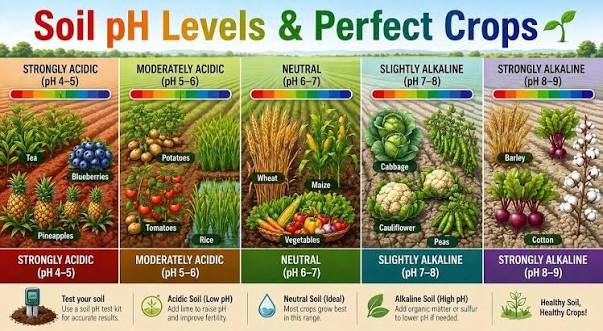
The Reality of Soil pH Across India
- Laterite & Red Soils (Western Ghats, North-East, parts of Odisha & Karnataka): Naturally acidic due to heavy monsoon leaching away basic minerals like calcium and magnesium.
- Alluvial & Black Soils (Indo-Gangetic plains, Deccan Plateau): Tend to be neutral to slightly alkaline, often rich in calcium carbonates.
- Arid & Calcareous Soils (Rajasthan, Gujarat, parts of Punjab & Haryana): Moderately to highly alkaline, rich in free lime, making iron and zinc uptake difficult.
2. Ideal Soil pH for Vegetables
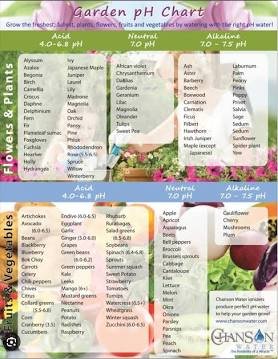
The sweet spot for almost all kitchen garden crops is slightly acidic to neutral: 6.0 to 6.8.
Within this range, beneficial microbes thrive, organic matter breaks down efficiently, and plant roots absorb all 17 essential plant nutrients (like Nitrogen, Phosphorus, Potassium, Iron, and Calcium) without chemical friction.
If your soil strays below 5.5 or above 7.5, essential nutrients become chemically locked in the soil particles. Even if your soil is full of rich compost, your plants will starve.
3. Soil pH Chart for Vegetables in India
Here is your Indian crop reference table, tailored to local growing conditions:
| Crop | Preferred pH Range | Sensitivity Level | Common Problem Outside Preferred Range |
| Tomato (Tamatar) | 6.0 – 6.8 | Moderate | Below 6.0: Blossom end rot, Calcium lockout. Above 7.5: Iron chlorosis (yellow leaves with green veins). |
| Brinjal / Eggplant (Baingan) | 5.5 – 6.8 | Tolerant | Below 5.5: Stunted root systems. Above 7.5: Poor flower set and fruit drop. |
| Chilli & Capsicum (Mirchi) | 6.0 – 6.8 | Moderate | Below 5.8: Leaf curl-like yellowing due to poor Magnesium intake. Above 7.2: Poor fruit development. |
| Okra (Bhindi) | 6.0 – 7.5 | Tolerant | Below 6.0: Stunted growth, fungal root rots. Above 7.8: Reduced pod setting. |
| Spinach (Palak) | 6.2 – 7.5 | High | Below 6.0: Severe growth arrest, reddish-purple leaf margins. Above 7.8: Early bolting and pale leaves. |
| Potato (Aloo) | 4.8 – 6.5 | Sensitive to high pH | Above 5.2: Higher risk of Potato Scab disease. Below 4.5: Aluminum toxicity. |
| Onion & Garlic (Pyaz / Lehsun) | 6.0 – 7.0 | High | Below 6.0: Poor bulb formation, tip dieback on green shoots. Above 7.5: Thrips susceptibility and yellowing. |
| Bitter Gourd / Cucumber (Karela / Kheera) | 6.0 – 7.0 | Moderate | Below 6.0: High ratio of male to female flowers (poor yield). Above 7.5: Severe Iron deficiency. |
| Radish & Carrot (Mooli / Gajar) | 6.0 – 6.8 | Moderate | Below 5.8: Forked roots, woody texture. Above 7.2: Hairy, distorted root tubers. |
| Cabbage & Cauliflower (Gobhi) | 6.5 – 7.5 | High | Below 6.5: High susceptibility to Clubroot disease. Above 7.8: Boron deficiency (hollow stems). |
| Coriander & Methi (Dhaniya / Methi) | 6.0 – 7.0 | Tolerant | Below 5.5: Pale, weak stems. Above 7.5: Stunted vegetative growth. |
4. How Soil pH Affects Nutrient Availability
Think of soil pH as a gatekeeper controlling nutrient flow to roots.
Acidic Soil (< 5.5)   ==>  Locks up: Phosphorus, Calcium, Magnesium
                           Releases toxic levels of: Aluminum, Manganese

Alkaline Soil (> 7.5) ==>  Locks up: Iron, Zinc, Manganese, Phosphorus, Boron
                           Excess of: Free Calcium Carbonates
- In Acidic Soils (< 5.5): Phosphorus binds tightly to iron and aluminum compounds, making it insoluble. Your crops will show purple-tinged leaves (Phosphorus deficiency) even if you add bone meal or DAP.
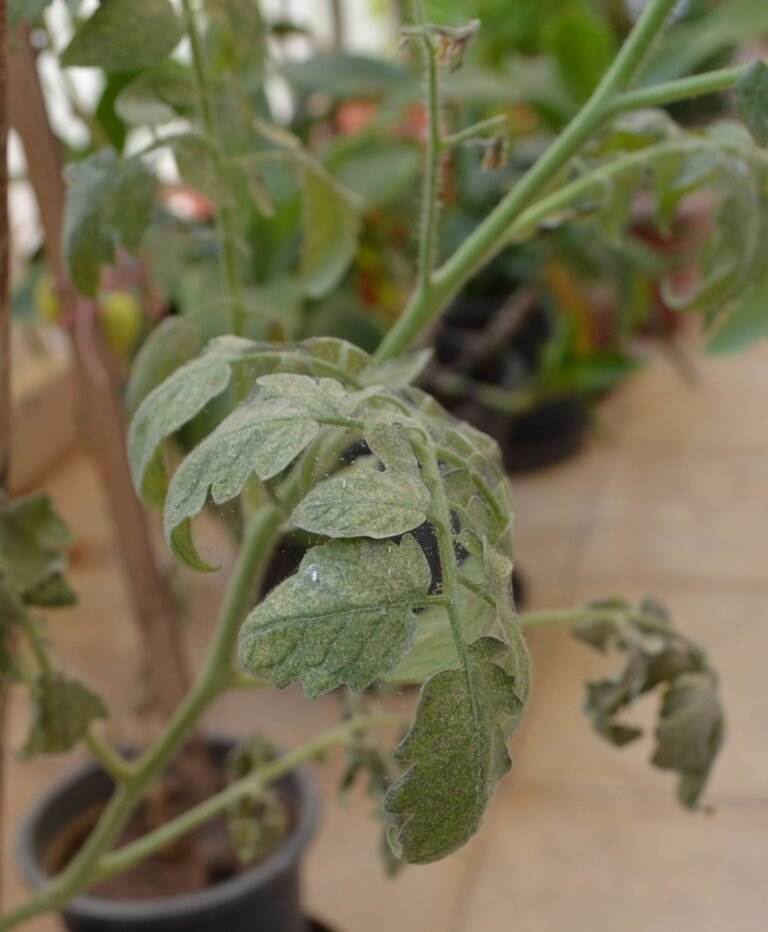
- In Alkaline Soils (> 7.5): Iron, Zinc, and Manganese precipitate out into insoluble minerals. You will notice young leaves turning bright yellow while their veins remain dark green—classic Iron Chlorosis common in terrace gardens across Delhi, Jaipur, and Hyderabad.
5. How to Collect a Representative Soil Sample
Testing just a surface pinch of mud will give inaccurate results. Follow this simple process to sample correctly:
- Clear Surface Debris: Scrape away dry mulches, leaves, or weeds from the top layer.
- Dig a V-Shaped Hole: Use a clean trowel to dig 6 inches (15 cm) deep for vegetables.
- Take a Slice: Slice a 1-inch thick slab of soil from the side of the V-shaped hole, top to bottom.
- Repeat: Collect slices from 4 to 5 spots around your garden bed or across different vegetable patches.
- Mix & Dry: Combine all slices in a clean plastic bucket, remove stones, and let it air-dry on a sheet of paper (away from direct sunlight). This creates a representative composite sample.
6. Soil-Testing Kits vs. Digital Meters vs. Laboratory Tests
Selecting the right testing method depends on your budget and accuracy requirements:
A. Colorimetric Chemical Kits (₹300 – ₹700)
These kits use liquid reagents or indicator tablets mixed with distilled water and soil.
- Pros: Affordable, widely available online across India, far more reliable than cheap metal probes.
- Cons: Matching colored liquids against a paper legend requires good lighting and clean execution.
B. Digital Probe Meters (₹800 – ₹3,500)
- Budget 2-in-1 Dual Probes (No Battery): Generally inaccurate. The probes react to soil moisture and metallic minerals rather than hydrogen ions, giving false readings around 6.5 to 7.0 everywhere.
- Quality Glass Electrodes (Handheld Digital Testers like Hanna or Labman): Accurate within ±0.1 pH, but require periodic calibration using buffer solutions (pH 4.0 and 7.0).
C. KVK / Government Soil Testing Labs (₹50 – ₹200)
Indian farmers and home gardeners can send samples to local Krishi Vigyan Kendras (KVK), ICAR institutes, or state agriculture department labs.
- Pros: Provides complete soil health data including Electrical Conductivity (EC), Organic Carbon (OC), and Available N-P-K + Micronutrients.
- Cons: Takes 2 to 4 weeks for reports.
7. How to Test Container Soil
Potting mixes behave differently than ground soil because they contain cocopeat, compost, and coarse sand or perlite. Testing container soil directly with a probe often gives inaccurate readings due to air pockets.
The 1:2 Soil-Water Extraction Method for Potting Mixes
- Collect a sample from 2–3 inches below the surface of your pot.
- Mix 1 part dry potting mix with 2 parts distilled or RO water (e.g., 50 ml soil + 100 ml RO water). Do not use tap water, as municipal hard water alters the reading.
- Shake vigorously for 2 minutes, then let it sit for 15 to 20 minutes so solids settle.
- Dip your pH paper indicator strip or digital glass electrode into the top clear liquid layer and record the value.
8. Signs of Strongly Acidic Soil (< 5.5)
If your garden soil is overly acidic, look out for these indicators:
- Phosphorus Lockout: Tomato and brinjal leaves develop purple undersides and dark red-purple leaf veins.
- Magnesium Deficiency: Older leaves turn yellow between veins while remaining green near the center (interveinal chlorosis), common in high-rainfall regions like Kerala or Coastal Karnataka.
- Stunted, Burned Roots: Root tips turn brown, blunt, and fail to branch out due to Aluminum toxicity.
- Failure of Legumes: Beans and peas stop developing nitrogen-fixing root nodules.
9. Signs of Alkaline or Calcareous Soil (> 7.5)
Alkaline soil problems are common in city container gardens and drier inland regions:
- Severe Iron Chlorosis: Young upper leaves turn pale yellow or off-white, while the vein network stays dark green.
- Crusted Soil Surface: A whitish or greyish-white layer forms on top of your garden beds or pot rim (salt accumulation).
- Slow Seed Germination: Seeds swell but fail to break through the hard, crusted top layer.
- Stunted Leaf Size: Spinach, palak, and coriander remain dwarf-sized with pale, brittle foliage.
10. Correcting Acidic Soil Safely (Acidic Soil Treatment India)
If your soil tests below 5.8, bring it back up to the optimal range with these amendment options:
1. Agricultural Lime / Chalk (Calcium Carbonate – Chuna)
- Application Rate: 50–100 grams per square meter (or 1 to 2 tablespoons per 12-inch pot).
- How to use: Mix thoroughly into the top 6 inches of soil at least 3 to 4 weeks before planting. Water lightly.
2. Dolomitic Limestone
- Best used when: Your soil lacks Magnesium as well as Calcium.
- How to use: Apply at the same rate as agricultural lime. It breaks down slowly over 2–3 months, offering stable long-term corrections.
3. Wood Ash (Lakdi ki Raakh)
- Caution: Wood ash is potent and highly alkaline. It acts quickly and contains 20–30% calcium along with potassium.
- Application Rate: Use sparingly—no more than 25–30 grams per 12-inch pot. Overusing wood ash can spike soil pH above 8.0 overnight.
11. Correcting Alkaline Soil Safely (Alkaline Garden Soil Remedies)
If your soil tests above 7.4, lower the pH gently using organic and mineral methods:
1. Agricultural Elemental Sulfur (Gandhak)
- How it works: Soil bacteria gradually convert sulfur into mild sulfuric acid over 4 to 8 weeks.
- Application Rate: 25–40 grams per square meter for ground beds, or 1 teaspoon per 12-inch pot. Mix into damp soil. Avoid applying during extreme summer heat (above 40°C).
2. Well-Rotted Organic Matter & Bio-Compost
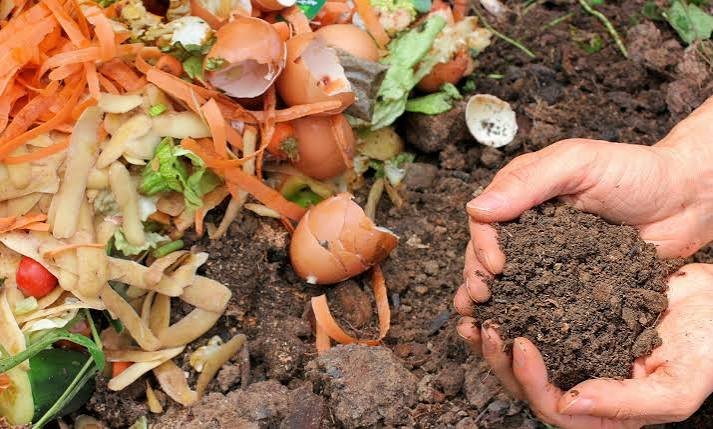
- Best natural approach: Mixing leaf mold, vermicompost, or well-composted cow dung (Gobar khad) releases organic acids as it breaks down, buffering alkaline soils naturally over time.
- Application Rate: Top-dress containers with a 1-inch layer of fresh compost every 30 days.
3. Mustard Cake Powder (Sarson ki Khali)
- Mustard cake tea (fermented mustard cake liquid fertilizer) is slightly acidic and releases humic compounds that temporarily lower pH around the root zone while feeding beneficial microflora.
12. Why Vinegar and Baking Soda Home Tests are Only Approximate
Popular DIY kitchen hacks suggest testing soil with household ingredients:
- Fizzing with Vinegar = Alkaline Soil
- Fizzing with Baking Soda = Acidic Soil
Why You Shouldn’t Rely on Kitchen Hacks
- Lack of Precision: Vinegar (Acetic acid) only fizzes if your soil contains high levels of free calcium carbonates (pH > 7.5). It will not tell you if your soil is 7.2 or 8.5.
- Baking Soda Delays: Baking soda only reacts with strongly acidic soil (pH < 5.0). If your soil pH is 5.8—which is acidic enough to affect crops like spinach—baking soda won’t show any reaction.
Use these household tests for a quick science demonstration, but invest in a proper reagent test kit or laboratory analysis for actual crop planning.
13. Irrigation Water and Recurring pH Problems
You might set your container potting mix to a perfect 6.5 pH, only to find it climbing up to 7.8 three months later. Your tap water is likely the culprit.
Hard Tap Water (pH 7.8 - 8.5) + Dissolved Carbonates
     ==> Gradually neutralizes soil acidity
     ==> Causes soil pH to climb over time
Managing Hard Water in Indian Kitchen Gardens
- Harvest Rainwater: Rainwater is naturally neutral to slightly acidic (pH 5.6 to 6.2) and ideal for all vegetables.
- Neutralize Tap Water for Containers: If your tap water tests above 8.0, add 1/4 teaspoon of citric acid powder or 1 ml of white vinegar per 10 liters of watering water. Let it sit overnight before watering acid-loving plants like tomatoes and chilli.
14. When Professional Laboratory Soil Testing is Necessary
While home test kits work well for basic maintenance, send your soil to a professional laboratory or local Agricultural University if:
- Crop leaves show widespread severe yellowing or burning despite regular organic fertilizing.
- You are setting up a new terrace farm, polyhouse, or commercial kitchen garden project larger than 1,000 sq ft.
- You suspect high soil salinity (Electrical Conductivity / EC > 2.0 dS/m), which requires professional reclamation methods beyond simple pH adjustments.
15. Frequently Asked Questions
What is the fastest way to lower soil pH for vegetables in India?
Elemental sulfur combined with organic compost is the safest and most effective method. For container plants needing a quick temporary fix, water with a mild solution of 1 teaspoon vinegar per 5 liters of water once a month.
Can I use tea waste to acidify garden soil?
Used tea leaves are slightly acidic and add organic carbon. Wash out all sugar and milk thoroughly, dry the leaves completely, and mix them into your potting mix. However, tea waste alters pH very slowly—do not rely on it as a quick fix for severe iron chlorosis.
Why is my potting mix pH different from ground soil?
Potting mixes use materials like cocopeat (which has a naturally neutral to slightly acidic pH of 5.8–6.5) and compost. Ground soil contains native clay, sand, and minerals that interact with local groundwater.