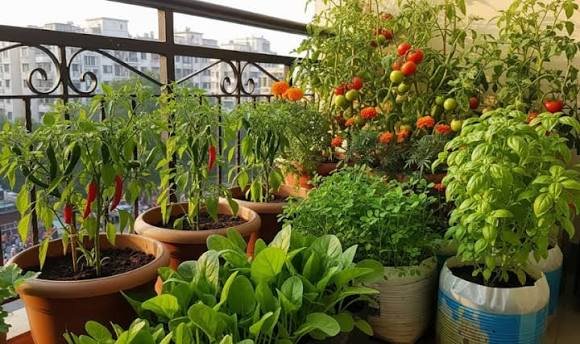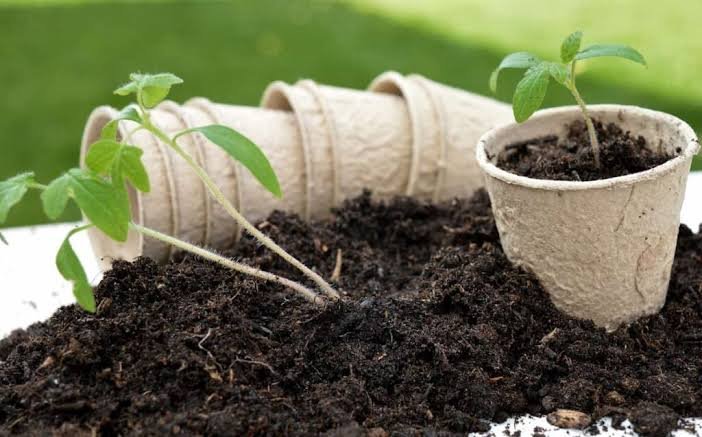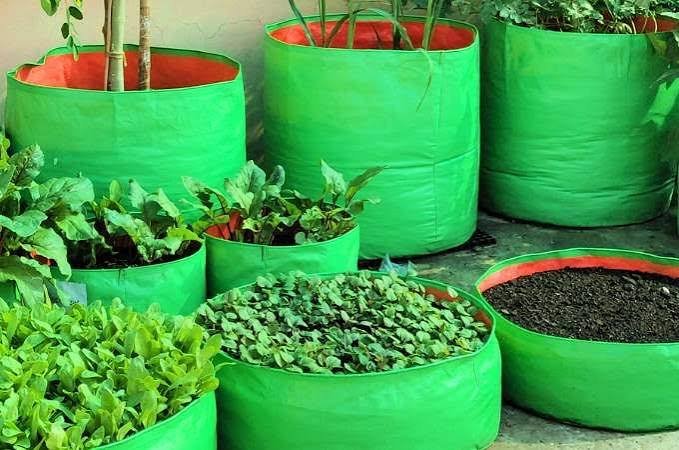

Composting wet kitchen waste at home is one of the most rewarding habits you can build for your garden and the planet. Yet, many Indian households hesitate to start because they fear foul odours, swarms of fruit flies, or maggots taking over their balconies.
When your compost smells bad, it is simply sending you a signal that the decomposition process has gone off track. Healthy aerobic composting at home produces no foul stench—only a rich, earthy aroma similar to wet forest soil after the first rains.
By understanding how to balance moisture, airflow, and organic matter, you can easily master apartment composting India style, regardless of whether you live in a high-rise flat in Bengaluru or a humid home in Mumbai.
Quick Answer: How to Compost Kitchen Waste Without Bad Smell
- Add only chopped and drained kitchen greens.
- Cover every wet layer with dry carbon browns.
- Maintain natural air spaces—never pack down the waste.
- Mix or turn the contents periodically to introduce oxygen.
- Keep your bin protected from heavy monsoons.
- Add extra dry material immediately if sour odours begin.
1. Why Kitchen-Waste Compost Smells
To eliminate foul odours, you need to understand what causes them. Organic waste decomposes through one of two biological pathways: aerobic (with oxygen) or anaerobic (without oxygen).
When waste breaks down in the presence of oxygen, beneficial aerobic microbes feed on the materials, releasing carbon dioxide, heat, and clean water vapour. This process produces zero bad odours.
However, when oxygen levels drop—usually due to excess moisture or compacted waste—anaerobic bacteria take over. These microbes break down organic matter by fermenting it, releasing foul gases like hydrogen sulfide (which smells like rotten eggs), methane, and volatile organic acids.
Common triggers for anaerobic decay in Indian kitchens include:
- Dumping watery curry leftovers, dal, or un-drained fruit peels into the bin.
- Pressing down waste tightly to fit more into a small apartment bin.
- Forgetting to balance wet food scraps with dry carbon items like coco peat or dried leaves.
2. Aerobic Composting vs. Bokashi vs. Vermicomposting
Selecting the right setup for apartment composting India households depend on requires matching the method to your available space and daily routine.
| Composting Method | How It Works | Space Needed | Odour Potential | Ideal Indian Household |
| Aerobic Composting | Oxygen-loving microbes break down waste with air and dry materials. | Small balcony, terrace, or utility area. | Zero (if turned and balanced properly). | Busy urban homes looking for an economical, low-maintenance setup. |
| Bokashi Fermentation | Anaerobic fermentation using specialized microbes in a sealed bucket. | Compact indoor space (kitchen cabinet). | Sweet-sour pickling smell when opened. | Small flats without balconies; requires post-fermentation soil burial. |
| Vermicomposting | Earthworms (Red Wigglers) consume organic matter and excrete castings. | Shaded, temperature-controlled utility zone. | Earthy and neutral; worms die if exposed to heat/spices. | Patient gardeners who can manage worm care and avoid oily/citrus waste. |
For most Indian apartments, traditional aerobic composting using a perforated clay or plastic bin remains the easiest and most practical daily method.
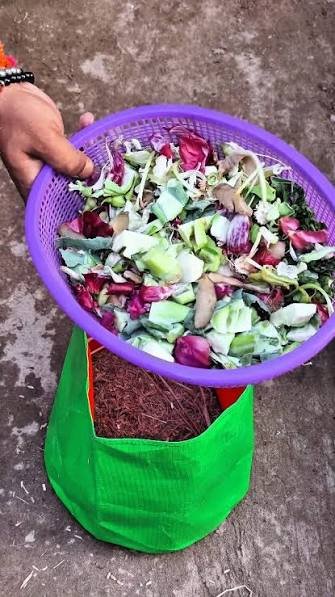
3. Materials Required to Start
You do not need expensive commercial setups to start composting kitchen waste without smell. A basic home DIY kit requires:
- A Aerated Composter Bin: A terracotta bin, a perforated plastic drum, or a stacked clay composter with drainage holes at the bottom and air vents on the sides.
- Drain Tray: Placed underneath your bin to catch excess liquid (leachate).
- Carbon Base (Browns): Dry coconut coir (coco peat), sawdust, dry leaves, crushed egg cartons, or shredded plain cardboard.
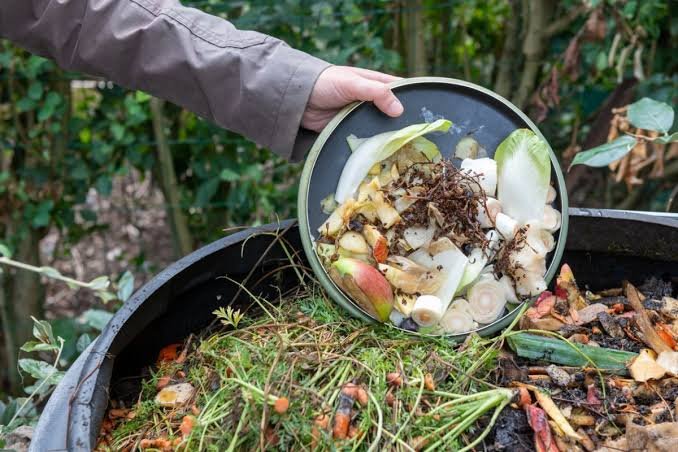
- Nitrogen Waste (Greens): Daily raw kitchen vegetable trimmings, fruit peels, tea dust, and coffee grounds.
- Microbial Starter (Accelerator): Sour buttermilk, ready-made compost, or effective microorganism (EM) powder to fast-track microbial action.
- Hand Trowel or Hand Fork: For easy periodic turning.
4. What Counts as Green and Brown Material?
Understanding the difference between Nitrogen-rich Greens and Carbon-rich Browns is the foundation of odour-free composting.
Balanced Compost Bin Structure
┌─────────────────────────────────────────┐
│     Dry Carbon Layer (Browns)           │ <-- Leaves, Coco Peat, Cardboard
├─────────────────────────────────────────┤
│     Wet Organic Scrap Layer (Greens)    │ <-- Chopped Peels, Tea Waste
├─────────────────────────────────────────┤
│     Microbial Starter / Old Compost     │ <-- Buttermilk / Active Compost
├─────────────────────────────────────────┤
│     Base Layer: Absorptive Carbon       │ <-- Sawdust / Coarse Coco Peat
└─────────────────────────────────────────┘
Green Materials (Nitrogen-Rich & Wet)
Greens fuel microbial growth and supply moisture:
- Raw vegetable peels and waste ends
- Fruit rinds, peels, and core scraps
- Used tea leaves and coffee grounds
- Fresh garden trimmings, green leaves, and soft plant stems
- Crushed eggshells (adds calcium)
Brown Materials (Carbon-Rich & Dry)
Browns absorb excess liquid, structure air gaps, and balance the nitrogen:
- Coco peat bricks (rehydrated and fluffed)
- Shredded dry fallen leaves
- Uncoated brown cardboard and paper egg cartons (shredded)
- Plain wood sawdust or dry wood shavings
- Dry coconut husk fibres (coir)
5. A Simple Daily Composting Routine
Follow this hassle-free 5-step daily routine to ensure your composter stays fresh and odour-free:
- Chop & Drain: Chop large kitchen scraps (like watermelon rinds or cauliflower stalks) into smaller 1-inch pieces. Squeeze out excess liquid from wet scraps before adding them.
- Add Your Greens: Pour your daily kitchen waste into the composter in an even layer.
- Inoculate (Optional): Sprinkle a spoonful of sour curd/buttermilk diluted with water or microbial starter powder over fresh scraps to accelerate decay.
- Cap with Browns: Cover every single layer of wet greens with double the volume of dry carbon material (coco peat or dry leaves). Golden Rule: No food waste should remain exposed to the open air.
- Air it Out: Every 4–5 days, use a hand trowel to gently fluff and turn the top few layers, introducing fresh oxygen to eliminate any anaerobic pockets.
6. Recommended Green-to-Brown Balance
The primary cause of a smelly composter is an imbalance in the Carbon to Nitrogen (C:N) ratio.
Aim for a volumetric ratio of 2:1 or 3:1 (Browns to Greens) in Indian homes. Because typical Indian cooking produces high-moisture kitchen waste (like squash peels, tropical fruit rinds, and cooked tea waste), you need significantly more dry brown material than wet green waste to soak up excess water.
- Too much Green: Waste becomes slimy, turns anaerobic, and smells like ammonia or rotten eggs.
- Too much Brown: Decomposition slows down drastically because the mix is too dry for microbes to survive.
7. What Can and Cannot Be Composted at Home
| Category | Items Allowed / Prohibited | Reason |
| Compost Safely | Raw fruit & vegetable scraps, tea leaves, coffee grounds, eggshells, dry leaves, shredded cardboard, coco peat. | Breaks down cleanly without attracting pests or producing foul odours. |
| Compost in Small Quantities | Plain boiled rice, cooked plain vegetables, stale rotis, citrus peels. | High starch can turn sour if wet; citrus slows down microbial breakdown if added in excess. |
| Avoid Completely | Meat, bones, fish scraps, oily gravies, dairy products (cheese/butter), pet feces, plastic/coated paper. | Oily and non-veg waste rots anaerobically, causing severe stenches and attracting rats, stray animals, and maggots. |
8. Troubleshooting Odours and Issues
Use this quick-reference table to diagnose and resolve compost problems instantly.
| Symptom | Primary Cause | Immediate Correction |
| Rotten egg / sour smell | Lack of oxygen and excess moisture (anaerobic conditions). | Turn the pile thoroughly. Add 2–3 handfuls of dry coco peat or shredded cardboard. |
| Sharp ammonia smell | Excess nitrogen (too many green scraps). | Mix in extra dry carbon materials (brown leaves or sawdust) to rebalance the C:N ratio. |
| Excess dark liquid leaking | Bin drainage blocked or greens releasing high water content. | Clear bottom drainage holes. Place a tray filled with dry coco peat under the composter to absorb leachate. |
| Shattered progress / zero breakdown | Pile is too dry or lacks nitrogen. | Lightly sprinkle water or sour buttermilk to moisten materials; add fresh green scraps. |
| Insect activity (flies/maggots) | Exposed wet food scraps near the top surface. | Add a thick 2-inch cap of dry coco peat, dry leaves, or wood ash over the top. |
9. Managing Flies, Ants, Maggots, and Cockroaches
In tropical Indian weather, pests can occasionally find their way into compost bins if preventative steps aren’t taken. Here is how to stop maggots in compost and keep pests away:
Fruit Flies & Gnats
Fruit flies lay eggs on exposed, sweet fruit peels.
- Solution: Always bury fruit waste deep under a dry layer of coco peat or dry leaves. Keep the composter lid secured with a fine mesh or cotton cloth stretched beneath it.
Soldier Fly Maggots
Seeing white larvae crawling inside your bin can be alarming. However, Black Soldier Fly Larvae (BSFL) are beneficial—they devour waste rapidly and do not bite or spread disease.
- Prevention: If you prefer an insect-free bin, avoid adding rotten fruits or bone meals.
- Treatment: To eliminate existing maggots, mix in a handful of neem cake powder (neem khali), sprinkle wood ash or lime powder over the surface, and double your dry brown layer.
Ants & Cockroaches
- Ants indicate your pile is too dry. Lightly water the compost to drive them away.
- Cockroaches prefer dark, oily environments. Keep oily cooked food out of the bin, turn the pile regularly to disrupt their nesting spaces, and ensure the composter is well-ventilated in daylight.
10. Composting During the Indian Monsoon
Monsoon weather brings high humidity and heavy rains that can saturate your outdoor compost pile, turning it anaerobic within hours.
Monsoon Protection Setup
   ☔ [Rain Protection Cover / Tarp]
   ┌───────────────────────────────┐
   │     High-Lid Composter Bin    │
   │  ===========================  │ <-- Extra Dry Browns (Coco Peat)
   │  ===========================  │
   └───────────────────────────────┘
   [==] Brick Riser Base
   ░░░░ Collection Tray for Leachate
- Move Bins Under Cover: Shift balcony bins away from open ledges to sheltered utility areas or under window shades.
- Increase Carbon Input: Double the amount of dry browns added daily to counter atmospheric humidity.
- Elevate the Bin: Raise the bin on two bricks so drainage holes stay clear and leachate drains freely into a catching tray.
- Keep Extra Dry Supply Ready: Store two bags of dry coco peat indoors before heavy rains start so your brown materials stay dry.
11. Composting in Hot Summer Weather
While monsoon presents excess moisture challenges, hot summer conditions in India dry out compost bins rapidly, stalling decomposition entirely.
- Maintain Moisture: The contents inside your composter should feel like a wrung-out sponge—damp to the touch, but not dripping wet.
- Add Shading: Keep bins out of direct midday sunlight to avoid killing off beneficial composting microbes.
- Moisten Dry Layers: Sprinkle a light mist of water or diluted buttermilk when mixing in dry leaves during April and May.
12. How to Know When Compost is Ready
Raw kitchen waste generally takes 45 to 60 days to transform into finished compost under typical Indian climate conditions.
Raw Waste (Day 1)  ──►  Active Fermentation (Day 15-30)  ──►  Finished Dark Compost (Day 60)
[Wet Peels & Scraps]    [Warm, Breaking Down, Earthy]        [Dark, Crumbly, Soil-like]
Your compost is fully mature when:
- It looks dark brown, rich, and crumbly, resembling natural garden potting soil.
- Original vegetable peels, fruit rinds, and waste materials are completely unrecognizable (except for hard seeds or fruit stones).
- The temperature of the pile drops to ambient room temperature.
- It carries a clean, sweet, earthy scent like moist forest floor soil.
Before applying finished compost to plants, pass it through a wide mesh sieve. Un-decomposed larger pieces can be thrown back into your active bin as a starter.
13. How to Use Compost in Grow Bags
Dark, nutrient-rich homemade compost is gold for potted plants, flowering shrubs, and balcony vegetable gardens.
Balcony Potting Mix Formula
┌─────────────────────────────────────────┐
│     30% Finished Home Compost           │ <-- Nutrient Source
├─────────────────────────────────────────┤
│     40% Red Soil / Garden Soil          │ <-- Physical Structure
├─────────────────────────────────────────┤
│     30% Coco Peat / Sand                │ <-- Aeration & Retention
└─────────────────────────────────────────┘
- Potting Mix Enrichment: Mix 30% mature compost with 40% garden soil and 30% coco peat for a balanced, airy potting medium for grow bags.
- Top Dressing: Apply 2–3 handfuls of compost around the root zone of mature potted plants once every 15–20 days. Scratch the topsoil gently, spread the compost, and water thoroughly.
- Liquid Compost Tea: Steep 1 cup of dark finished compost in 5 liters of water overnight. Strain the dark liquid and use it as a nutrient-rich foliar spray for flowering plants and leafy greens.
14. Frequently Asked Questions
Can I compost citrus peels like lemon and orange in an apartment bin?
Yes, in moderation. Chop citrus peels finely and balance them with extra carbon material like coco peat. Avoid dumping large amounts at once, as high acidity can slow down microbial breakdown.
What should I do if my compost gets filled with maggots suddenly?
Add a 2-inch top layer of dry coco peat or dry leaves immediately, sprinkle a tablespoon of neem cake powder (neem khali) or wood ash, and refrain from adding fresh wet scraps for two days.
How long does kitchen waste composting without smell take in Indian weather?
In warm tropical climates, aerobic decomposition takes roughly 6 to 8 weeks. In colder winter months or northern regions, the process may extend to 10–12 weeks.
Can I add cooked food leftovers like rice or dal to my composter?
It is best to limit cooked food. Plain boiled rice or rotis in small amounts are fine if covered with dry browns, but oily gravies, fried items, and salty dishes disrupt microbial health, cause sour smells, and attract pests.