
Close your eyes for a moment and picture your ultimate Indian comfort meal. For some, it is a plate of steaming hot aloo parathas dripping with white butter. For others, it’s a spicy samosa with evening chai, a comforting bowl of aloo gobi, or Mumbai’s legendary vada pav. From roadside chaat stalls in Delhi to the delicate aloo posto in a Bengali household, the humble potato—our beloved aloo—is everywhere. It is the undisputed king of the Indian kitchen. Have you ever wondered about history of potato in Indian cuisine ?
But here is a mind-bending truth that might shake your culinary pride: Indian food existed without potatoes for thousands of years. If you could travel back in time to the golden eras of the Mughal Empire, the Chola Dynasty, or the ancient Maurya Empire, you wouldn’t find a single speck of aloo on any plate. Royal banquets and humble village kitchens alike relied on indigenous root vegetables like yams (suran), sweet potatoes (shakarkand), and various local gourds to bulk up their curries.
In the grand timeline of India’s rich culinary heritage, the potato is a surprisingly recent immigrant. The fascinating history of potato in Indian cuisine is an epic global saga involving South American empires, European maritime traders, and a calculated push by British colonizers that forever altered the way the Indian subcontinent eats.
The Origin: A Sacred Tuber from the High Andes
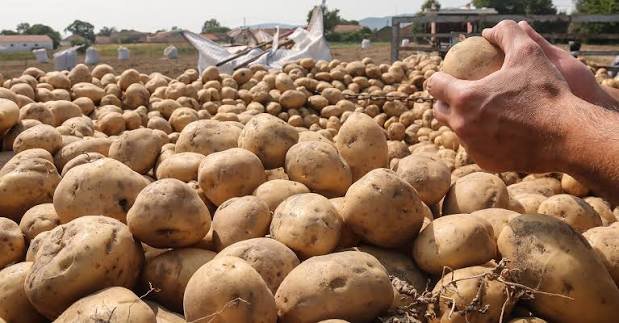
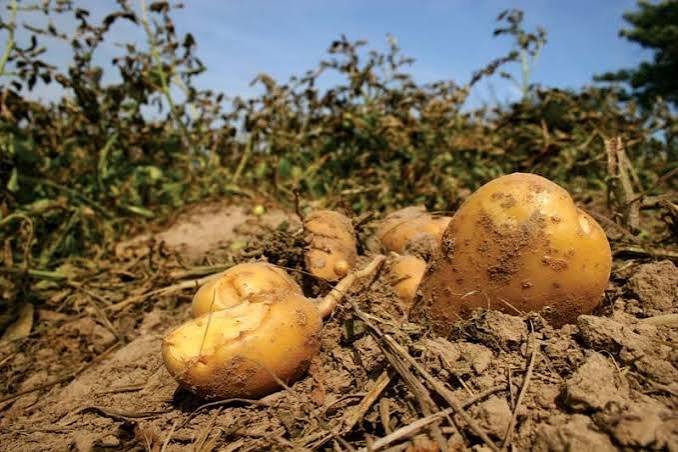
Long before it ever met an Indian tadka, the potato was a sacred crop cultivated thousands of miles away in South America. Archaeological evidence shows that the potato (Solanum tuberosum) was first domesticated by the indigenous communities of the high Andes mountains, in modern-day Peru and northwestern Bolivia, between 8000 BC and 5000 BC.
In those harsh, high-altitude climates where grains like corn could not survive, the Inca Empire relied on this hardy, energy-dense underground tuber as their primary source of life. They even developed ingenious methods to freeze-dry potatoes into a light, preservation-friendly substance called chuño, allowing them to survive long winters and crop failures.
When Spanish conquistadors overran and looted the Inca Empire in the 1530s, they weren’t just captivated by gold and silver; they also stumbled upon this strange underground vegetable. Intrigued by its ability to keep sailors well-nourished on long sea voyages, the Spanish carried the potato back across the Atlantic Ocean to Europe. While initially met with deep suspicion by Europeans—who feared it because it wasn’t mentioned in the Bible and resembled poisonous nightshades—its high yield and nutritional value eventually turned it into a European staple.
The Portuguese Connection: How “Batata” Landed in Goa
So, how did this South American mountain traveler make its way to our tropical shores? We have the Portuguese to thank for that.
In the early 17th century, Portuguese sailors and traders, who had established a powerful maritime empire with its capital in Goa along India’s western coast, introduced the tuber to the subcontinent.
The Birth of Batata
When the Portuguese stepped ashore in Goa, they brought along bags of potatoes as part of their ship provisions and trade experiments. They called the vegetable “batata”—a term that was quickly absorbed into the local Konkani and Marathi languages. To this day, if you walk into a market in Mumbai, Goa, or Pune, you will ask for batata, not aloo.
Initially, the potato stayed tightly confined to the western coast. The local people viewed it as an exotic curiosity rather than a daily staple. For almost a century, it remained a specialty crop grown in the backyard gardens of Portuguese officials in Goa and Surat. It faced a slow journey inland because traditional Indian farmers were hesitant to cultivate a plant that grew hidden deep beneath the dirt, far outside their traditional agricultural rhythms of rice, wheat, and pulses.
The British Push: Commercializing the Tuber for Colonial Gains
While the Portuguese introduced the potato to India, it was the British East India Company (EIC) that truly globalized its cultivation and forced it onto the wider Indian plate during the late 18th and early 19th centuries.
The British shift toward the potato wasn’t driven by a love for Indian flavors; it was a cold, calculated economic strategy. Back in Europe, thinkers like Adam Smith had realized that an acre of land planted with potatoes could feed significantly more laborers than an acre of wheat or rice. The East India Company saw the potato as a tool to cultivate a cheap, highly resilient source of mass nutrition for their growing army of colonial laborers.
[British East India Company] ---> [Introduces European Varieties to Bengal Plains]
                                                    |
                                                    v
[Clears Transit Taxes & Markets] ---> [Forces Widespread Cultivation in Dehradun Hills]
The Bengal Promotion
The British began aggressively pushing potato farming in the fertile plains of Bengal. Colonial officials like William Fullerton distributed free seeds and actively bribed local farmers to grow the root crop. To remove market barriers, the Company even exempted potatoes from internal transit taxes, making it incredibly profitable for traders to transport them across provinces.
Conquering the Dehradun and Nilgiri Hills
To ensure a year-round supply of potatoes—even during the scorching Indian summers—the British realized they needed cooler climates that mimicked European conditions. They introduced potato farming to the northern hill stations, particularly around the Dehradun and Kumaon hills of Uttarakhand, as well as the Nilgiri Hills in Southern India.
The hill stations quickly became major potato hubs. The crop grew beautifully in the loose mountain soil, and soon, massive shipments of potatoes were rolled down the hills to feed the rapidly growing urban populations of Calcutta, Bombay, and Madras. It was during this northern expansion that the old English and Portuguese terms were dropped, and the vegetable adopted its modern Hindi name, alu (derived from an ancient Sanskrit word for indigenous starchy root crops).
Culinary Domination: Becoming the Ultimate Indian Comfort Food
Once the infrastructure for mass farming was firmly established, the potato did something extraordinary. It completely broke free of its colonial origins and underwent an organic, creative assimilation into regional kitchens. No one could have predicted how easily this foreign tuber would adapt to the unique flavor profiles of various Indian states.
1. The Savior of the Royal Awadhi and Bengali Kitchens
One of the most famous milestones in the history of potato in Indian cuisine occurred in 1856, when the British deposed Wajid Ali Shah, the Nawab of Awadh, and exiled him to Metiabruz in Calcutta.
The Nawab’s royal chefs traveled with him, but their kitchens faced a severe budget crunch under colonial oversight. Meat was expensive, so the innovative royal cooks began replacing chunks of mutton in the royal Biryani with large, soft halves of potatoes. The potato absorbed the rich aromatic oils, meat juices, and saffron spices perfectly, giving birth to the legendary Kolkata Biryani—a dish where the aloo is arguably prized even more than the meat.
2. The Star of Western Indian Street Food
In Maharashtra and Gujarat, the potato transformed into a street-food icon. In the 1960s, during a time of economic transition in Mumbai, resourceful local vendors mashed boiled potatoes with spices, coated them in chickpea flour, deep-fried them, and served them inside a local bread bun (pav). The Vada Pav was born, creating an affordable, filling, and iconic meal for the city’s working-class mill laborers.
                  +-----------------------------------------+
                  |     REGIONAL ALOO ICONS ACROSS INDIA    |
                  +-----------------------------------------+
                  | North India  ---> Aloo Paratha & Tikki  |
                  | East India   ---> Aloo Posto & Biryani  |
                  | West India   ---> Batata Vada & Pav     |
                  | South India  ---> Masala Dosa Filling   |
                  +-----------------------------------------+
3. The Perfect Culinary Canvas
Why did India fall so deeply in love with a foreign vegetable? The potato’s greatest virtue is its absolute neutrality. It lacks a strong, overpowering flavor of its own, making it a perfect blank canvas. It acts as a culinary sponge, absorbing mustard oil, cumin, turmeric, asafoetida (hing), and curry leaves with equal ease.
Furthermore, because it was a underground tuber, it carried no religious taboos or social restrictions, allowing it to cross caste, class, and regional boundaries faster than almost any other food item in Indian history.
A Global Tuber with an Indian Soul
Today, India stands as the second-largest producer of potatoes in the entire world, right after China. From an exotic plant brought by Portuguese sailors to Goa to a cheap labor-fueling crop pushed by the British, the potato has traveled an incredible path to find its true home.
The next time you bite into a crispy, golden aloo samosa or enjoy a comforting plate of jeera aloo, take a second to appreciate the long, historic journey on your plate. The potato may have South American roots and European sponsors, but its soul is entirely Indian!
To explore more about how the humble potato made its way across continents and transformed global agriculture, watch The History of Potatoes — The Crop That Changed the World. This video provides an overview of the global migration of the potato, tracking its journey from the high Andes mountains straight into international food systems.
See Also
The Story Of Potato In India
The North Indian Winter Gardening Guide: What to Sow in October