
Whether you are tending a small balcony garden in Mumbai, a rooftop setup in Delhi, or a home garden in Bangalore, successful vegetable growing starts with the humble seed. Plant a seed too deep, and it suffocates before reaching sunlight; plant it too shallow, and a quick rain or stray bird will destroy your hard work.
Having a clear, climate-aware vegetable sowing depth chart India home gardeners can rely on takes the guesswork out of planting. Indian microclimates range from freezing northern winters to humid tropical southern coasts, so generic Western planting charts often fail here.
In this ultimate guide, we share precise sowing rules, a comprehensive master table covering 35+ popular vegetables, region-wise tips, and step-by-step techniques to maximize your harvest.
1. The Golden Rule for Determining Seed Sowing Depth for Vegetables
If you lose your seed packet or forget the exact measurements for a specific vegetable, remember the universal rule of thumb used by horticulturists:
The Golden Rule: Plant a seed at a depth equal to 2 to 3 times its own diameter.
    ●  Tiny seed (1mm)  →  Sow at 2-3mm depth (Barely cover)
   ●●  Medium seed (3mm) →  Sow at 6-9mm depth (~1/4 to 1/2 inch)
  ●●●  Large seed (8mm)  →  Sow at 16-24mm depth (~3/4 to 1 inch)
Why Depth Matters So Much
- Too Deep: The seed’s stored energy reserves exhaust before the cotyledon (first leaf) breaks through the soil surface.
- Too Shallow: Moisture evaporates rapidly around the seed, stopping germination mid-way. Shallow seeds are also vulnerable to birds, ants, and heavy irrigation washouts.
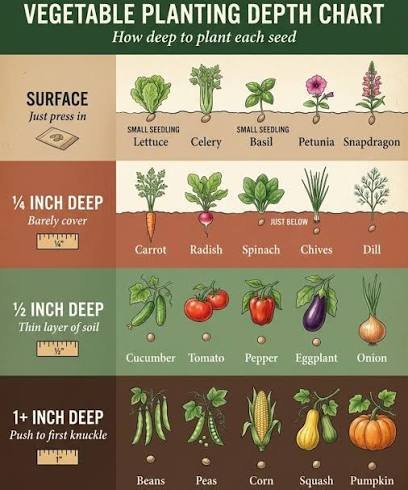
2. Light-Sensitive Seeds That Should Be Surface-Sown
Not all seeds want to be buried! Certain vegetables and herbs are photoblastic, meaning they require ambient sunlight to trigger their germination enzymes.
Seeds to Press Gently onto the Soil Surface (Do Not Bury)
- Lettuce & Celery: Extremely small seeds that quickly run out of energy if covered with more than a dusting of fine coco-peat or vermiculite.
- Herbs (Basil, Mint, Oregano, Thyme): These need light and high humidity. Press them lightly into moist potting mix.
- Coleus / Edible Greens (Amaranth / Rajgira / Lal Saag): Scatter seeds thinly on top of pulverized soil, then mist gently with a spray bottle.
Pro-Tip for Surface-Sown Seeds: Cover your seedling tray with a transparent dome or clear plastic sheet for 2–4 days to trap humidity while letting light pass through.
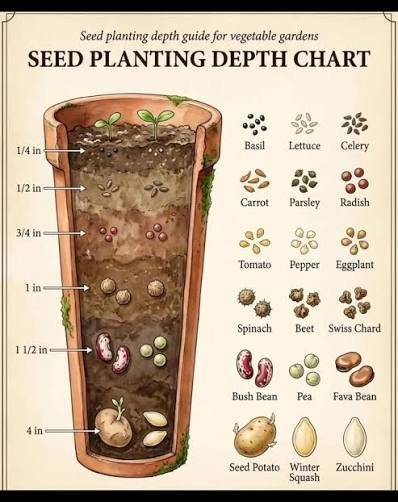
3. Master Vegetable Sowing Depth Chart India (35+ Crops)
Here is a printable, comprehensive germination chart for Indian vegetables. It covers planting methods, sowing depths, plant-to-plant spacing, germination times, and key regional planting windows across India.
| Crop | Direct Sow or Transplant | Depth (inches / cm) | Plant Spacing (inches / cm) | Germination Time (Days) | Main Season (North Plains / South / Hills) |
| Tomato (Tamatar) | Transplant | 0.25 in (0.6 cm) | 18–24 in (45–60 cm) | 6–10 days | Aug–Oct & Jan–Feb / Year-round / Mar–Apr |
| Brinjal / Eggplant (Baingan) | Transplant | 0.25 in (0.6 cm) | 18–24 in (45–60 cm) | 7–14 days | Jun–Jul & Oct–Nov / Year-round / Apr–May |
| Chilli / Pepper (Mirchi) | Transplant | 0.25 in (0.6 cm) | 18–24 in (45–60 cm) | 8–14 days | Jun–Jul & Jan–Feb / Year-round / Apr–May |
| Capsicum / Bell Pepper | Transplant | 0.25 in (0.6 cm) | 18 in (45 cm) | 8–12 days | Sep–Oct / Oct–Nov / Mar–Apr |
| Okra / Lady Finger (Bhindi) | Direct Sow | 0.5–1.0 in (1.2–2.5 cm) | 12–15 in (30–38 cm) | 5–10 days | Feb–Jul / Feb–Sep / Apr–May |
| Cucumber (Kheera) | Direct Sow | 0.5–1.0 in (1.2–2.5 cm) | 18–24 in (45–60 cm) | 4–8 days | Feb–Mar & Jun–Jul / Year-round / Apr–May |
| Bitter Gourd (Karela) | Direct Sow | 1.0 in (2.5 cm) | 24–36 in (60–90 cm) | 7–14 days | Feb–Mar & Jun–Jul / Year-round / Apr–May |
| Bottle Gourd (Lauki) | Direct Sow | 1.0–1.5 in (2.5–3.8 cm) | 36–48 in (90–120 cm) | 6–10 days | Feb–Mar & Jun–Jul / Year-round / Apr–May |
| Ridge Gourd (Torai) | Direct Sow | 1.0 in (2.5 cm) | 24–36 in (60–90 cm) | 6–10 days | Feb–Mar & Jun–Jul / Year-round / Apr–May |
| Pumpkin (Kaddu) | Direct Sow | 1.0–1.5 in (2.5–3.8 cm) | 48–60 in (120–150 cm) | 6–10 days | Feb–Mar & Jun–Jul / Year-round / Apr–May |
| Watermelon (Tarbooz) | Direct Sow | 1.0 in (2.5 cm) | 36–48 in (90–120 cm) | 6–10 days | Jan–Mar / Dec–Feb / May |
| Muskmelon (Kharbooja) | Direct Sow | 0.75–1.0 in (2.0–2.5 cm) | 24–36 in (60–90 cm) | 6–10 days | Jan–Mar / Dec–Jan / May |
| Spinach (Palak) | Direct Sow | 0.5 in (1.2 cm) | 4–6 in (10–15 cm) | 6–10 days | Sep–Nov & Feb / Year-round (Cooler months) / Mar–May |
| Fenugreek (Methi) | Direct Sow | 0.25–0.5 in (0.6–1.2 cm) | 3–4 in (7–10 cm) | 3–6 days | Sep–Nov / Oct–Feb / Mar–May |
| Coriander (Dhania) | Direct Sow | 0.5 in (1.2 cm) | 4–6 in (10–15 cm) | 10–18 days | Sep–Nov / Oct–Feb / Mar–May |
| Amaranth (Lal Saag / Chaulai) | Direct Sow | Surface to 0.1 in (0.2 cm) | 4–6 in (10–15 cm) | 4–8 days | Mar–Jul / Year-round / May–Jun |
| Lettuce | Direct or Transplant | Surface to 0.1 in (0.2 cm) | 8–12 in (20–30 cm) | 4–10 days | Oct–Dec / Nov–Jan / Mar–May |
| Radish (Mooli) | Direct Sow | 0.5 in (1.2 cm) | 3–4 in (7–10 cm) | 4–7 days | Aug–Nov (Winter) / Year-round / Apr–Aug |
| Carrot (Gajar) | Direct Sow | 0.25 in (0.6 cm) | 2–3 in (5–7 cm) | 10–18 days | Aug–Nov / Oct–Jan / Mar–May |
| Beetroot (Chukandar) | Direct Sow | 0.5 in (1.2 cm) | 3–4 in (7–10 cm) | 7–12 days | Aug–Nov / Oct–Feb / Mar–May |
| Turnip (Salgam) | Direct Sow | 0.25–0.5 in (0.6–1.2 cm) | 4–6 in (10–15 cm) | 5–8 days | Aug–Nov / Nov–Jan / Mar–May |
| Onion (Pyaz) | Transplant | 0.25 in (0.6 cm) | 4–6 in (10–15 cm) | 7–12 days | Oct–Nov / Sep–Oct / Mar–Apr |
| Garlic (Lahsun – Cloves) | Direct (Cloves) | 1.5–2.0 in (3.8–5.0 cm) | 4–6 in (10–15 cm) | 7–14 days | Sep–Nov / Oct–Nov / Mar–Apr |
| French Beans (Bush) | Direct Sow | 1.0–1.5 in (2.5–3.8 cm) | 6–8 in (15–20 cm) | 6–10 days | Feb–Mar & Sep–Oct / Sep–Nov / Mar–May |
| French Beans (Pole) | Direct Sow | 1.0–1.5 in (2.5–3.8 cm) | 10–12 in (25–30 cm) | 6–10 days | Feb–Mar & Sep–Oct / Sep–Nov / Mar–May |
| Cowpea / Yardlong Bean (Lobia) | Direct Sow | 1.0 in (2.5 cm) | 8–12 in (20–30 cm) | 5–8 days | Feb–Jul / Year-round / May–Jun |
| Peas (Matar) | Direct Sow | 1.0–1.5 in (2.5–3.8 cm) | 2–4 in (5–10 cm) | 7–12 days | Oct–Nov / Nov–Dec / Mar–May |
| Cabbage (Patta Gobhi) | Transplant | 0.25 in (0.6 cm) | 15–18 in (38–45 cm) | 6–10 days | Sep–Nov / Oct–Nov / Mar–May |
| Cauliflower (Phool Gobhi) | Transplant | 0.25 in (0.6 cm) | 18–24 in (45–60 cm) | 6–10 days | Aug–Nov / Oct–Nov / Mar–May |
| Knol Khol / Kohlrabi (Ganth Gobhi) | Transplant | 0.25 in (0.6 cm) | 6–8 in (15–20 cm) | 5–8 days | Sep–Nov / Oct–Dec / Mar–May |
| Broccoli | Transplant | 0.25 in (0.6 cm) | 18 in (45 cm) | 6–10 days | Sep–Nov / Oct–Dec / Mar–May |
| Cluster Beans (Gwar Phali) | Direct Sow | 0.75–1.0 in (2.0–2.5 cm) | 6–8 in (15–20 cm) | 5–9 days | Feb–Jul / Feb–Aug / May–Jun |
| Zucchini | Direct Sow | 0.75–1.0 in (2.0–2.5 cm) | 24–36 in (60–90 cm) | 5–9 days | Feb–Mar / Oct–Nov / Apr–May |
| Sweet Corn | Direct Sow | 1.0–1.5 in (2.5–3.8 cm) | 10–12 in (25–30 cm) | 6–10 days | Feb–Jul / Year-round / May–Jun |
| Sponge Gourd (Nenua/Luffa) | Direct Sow | 1.0 in (2.5 cm) | 24–36 in (60–90 cm) | 7–12 days | Feb–Mar & Jun–Jul / Year-round / Apr–May |
4. Direct-Sown Vegetables vs. Transplanted Crops
Understanding direct sowing versus transplanting is essential for healthy plant development. Some root crops hate having their taproots disturbed, while delicate fruiting plants benefit from early protection in seed trays.
       DIRECT SOWING                      TRANSPLANTING
(Root Crops, Beans, Gourds)         (Solanaceous, Brassicas)

    Seeds sown in final                Seeds sown in trays,
      bed/container                      hardened, then
            │                           moved to garden
            ▼                                 │
   No root disturbance                      ▼
   Stronger taproots                  Better germination,
                                      saves space initially
Vegetables to Always Direct Sow
- Root Vegetables (Carrots, Radishes, Beetroot, Turnips): Transplanting twists or forks their delicate taproots, ruining the crop.
- Legumes & Pulses (Peas, French Beans, Cowpeas): Legumes have fragile root networks that suffer severe transplant shock.
- Cucurbits / Vine Vegetables (Gourds, Cucumbers, Melons): Their fleshy root systems do best when sown straight into their growing beds or large containers.
Vegetables Raised in Seed Trays (Transplanted Later)
- Solanaceous Family (Tomatoes, Eggplants, Chillies, Capsicums): Seeds are tiny and require controlled soil moisture and temperature during initial germination.
- Brassicas (Cabbage, Cauliflower, Broccoli, Knol Khol): Nursery trays keep young plants safe from heavy rains and pest attacks during early stages.
- Onions & Leeks: Transplanting ensures uniform bulb development and manageable row spacing.
5. How to Raise Seeds in Trays Step-by-Step
Raising seeds in seedling trays gives your crops a strong, disease-free start.
- Select Seed Trays: Use 50-cell or 98-cell seedling trays with drainage holes at the bottom.
- Prepare the Growing Medium: Use a light, soil-less mix of 70% Coco-peat + 20% Vermicompost + 10% Perlite or Rice Husk. Avoid heavy garden soil in trays; it compacts easily and suffocates young roots.
- Sow the Seeds: Fill cells lightly without pressing too hard. Make a small indentation using a pencil tip according to the depth guide above. Drop 1–2 seeds per cell.
- Cover & Mist: Lightly dust coco-peat over the seeds and mist with a spray bottle.
- Hardening Off Before Transplanting: When seedlings grow 4–6 true leaves (about 21–28 days after germination), move the tray outdoors into partial sun for 3–4 days before planting them into the ground or final containers.
6. Vegetable Spacing Chart India: Containers vs. Open Garden Beds
Plant spacing in Indian home gardens depends heavily on where you grow. Raised beds and ground soil allow deeper root spreading, while containers require careful management of soil volume.
                  OPEN BEDS vs. CONTAINERS

    OPEN GROUND BEDS                CONTAINERS / GROW BAGS
 ┌──────────────────────┐          ┌──────────────────────┐
 │ • Deep root space    │          │ • Constrained volume │
 │ • Closer spacing OK  │          │ • Wider spacing needed│
 │ • Higher moisture    │          │ • Drains quickly     │
 └──────────────────────┘          └──────────────────────┘
Container Size Quick Guide
- Leafy Greens (Palak, Methi, Coriander): 6 to 8-inch deep shallow rectangular trays.
- Root Crops (Carrots, Radishes): Minimum 10 to 12-inch deep grow bags.
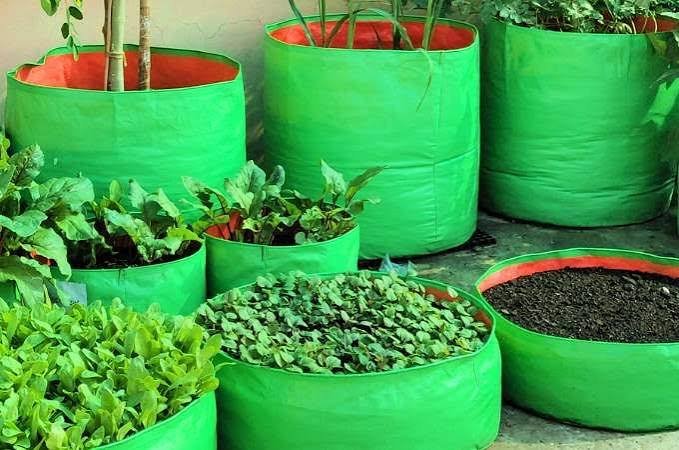
- Fruiting Crops (Tomato, Chilli, Brinjal, Capsicum): 12 to 15-inch deep containers per single plant.
- Vines & Gourds (Lauki, Karela, Pumpkin): 18 to 24-inch deep grow bags (minimum 45–50 litres of soil volume).
7. Germination Temperatures & Seasonal Differences across India
Soil temperature directly influences seed germination speeds:
  SOIL TEMP (°C)       GERMINATION SPEED
  ---------------------------------------
  Below 15°C           Very Slow / Dormant
  20°C - 30°C          Optimal (3 to 8 days)
  Above 35°C           Heat Stress / Failure
- Northern Plains (Punjab, UP, Delhi, Bihar): Experiences sharp temperature changes. Sow summer crops (gourds, okra) from mid-February as temperatures cross 20°C. Sow winter crops (peas, brassicas, root veggies) from September to November.
- Southern & Coastal Regions (Karnataka, Tamil Nadu, Kerala, Maharashtra): Moderate climate allows year-round sowing for tomatoes, chillies, and gourds. Avoid heavy monsoon months (July–August) for open-bed sowings.
- Hilly Regions (Himachal, Uttarakhand, North-East): Planting windows are shorter. Sow spring/summer crops indoors starting March–April once snow clears.
8. Seedling Thinning: When and How
Sowing extra seeds ensures good germination, but overcrowding weakens all young plants if left unmanaged. Thinning means removing excess seedlings to give the strongest ones room to thrive.
How to Thin Seedlings Correctly
- Timing: Thin when seedlings develop their first set of true leaves (10 to 14 days after sprouting).
- The Snip Technique: Avoid pulling out unwanted seedlings by hand; this disturbs the root systems of neighbouring plants. Instead, use sharp scissors to cut excess seedlings right at the soil surface.
- Spacing Target: Always follow the recommended distance listed in our vegetable spacing chart India.
9. Common Reasons Why Seeds Fail to Germinate
If your seeds fail to sprout, one of these common mistakes is usually responsible:
- Damping-Off Fungus: Overwatering in non-draining soil causes seedling stems to rot at ground level.
- Planting Depth Errors: Planting seeds too deep drains their energy; planting too shallow dries them out.
- Soil Crust & Soil Compaction: Heavy clay soils form a hard surface layer when dry, preventing delicate sprouts from breaking through. Use coco-peat and compost to loosen heavy soil.
- Old or Poor Quality Seeds: Vegetable seeds lose viability after 12–18 months. Always store seeds in a cool, dark, airtight container.
- Inconsistent Soil Moisture: Seeds need steady moisture to initiate germination. Letting the soil dry out midway halts the process permanently.
10. How Monsoon Planting Changes Sowing Depths
The Indian monsoon brings welcome relief, but torrential rains create specific challenges for seed sowing:
                  MONSOON SOWING ADJUSTMENTS

    STANDARD DRY SOWING              MONSOON SOWING
 ┌──────────────────────┐          ┌──────────────────────┐
 │ Standard depth       │          │ Slightly shallower   │
 │ Level beds           │          │ Raised ridges/mounds │
 │ Standard watering    │          │ Coarse mulching      │
 └──────────────────────┘          └──────────────────────┘
- Sow Slightly Shallower: Plant seeds 15–20% shallower during heavy rains. Deep seeds rot quickly in waterlogged soil.
- Use Raised Ridges and Mounds: Create raised soil mounds for gourds and beans to allow excess water to drain away from root zones.
- Protect Trays from Downpours: Keep nursery trays under shade netting or covered porch areas to prevent heavy rain from washing away fine seeds.
11. Printable One-Page Quick Reference Guide
Save or screenshot this quick summary sheet for easy reference while planting in your garden:
========================================================================
             QUICK VEGETABLE SOWING & SPACING CHEAT SHEET
========================================================================
CROP          SOWING METHOD    DEPTH        PLANT SPACING   GERMINATION
------------------------------------------------------------------------
Tomato        Transplant       0.25 in      18-24 in        6-10 days
Chilli        Transplant       0.25 in      18-24 in        8-14 days
Brinjal       Transplant       0.25 in      18-24 in        7-14 days
Bhindi        Direct Sow       0.5-1.0 in   12-15 in        5-10 days
Lauki         Direct Sow       1.0-1.5 in   36-48 in        6-10 days
Palak         Direct Sow       0.5 in       4-6 in          6-10 days
Mooli         Direct Sow       0.5 in       3-4 in          4-7 days
Gajar         Direct Sow       0.25 in      2-3 in          10-18 days
Beans         Direct Sow       1.0-1.5 in   6-12 in         6-10 days
========================================================================
Golden Rule: Sow seeds at a depth equal to 2 to 3 times their diameter.
========================================================================
Frequently Asked Questions
What is the simple rule of thumb for seed sowing depth?
Sow seeds at a depth equal to 2 to 3 times their width/diameter. Tiny seeds like lettuce and amaranth need only a light dust of soil or coco-peat, while large seeds like beans and gourds are planted 1 inch deep.
Should I soak vegetable seeds before planting?
Soaking hard-shelled seeds (such as bitter gourd, bottle gourd, okra, and spinach) in lukewarm water for 8 to 12 hours softens their seed coats, speeding up germination by 2 to 4 days.
Why do my radish and carrot sprouts die after transplanting?
Root vegetables should never be transplanted. Moving them damages their delicate taproots, causing stunted, twisted, or split roots. Always sow root crops directly into their final growing beds or containers.
How often should I water seeds after sowing?
Keep the top layer of soil evenly moist, but not soggy. Use a fine spray bottle or watering can rose to prevent washing away tiny seeds. Water gently once or twice daily depending on heat and humidity.
Start Sowing with Confidence!
Using a reliable vegetable sowing depth chart India home gardeners can rely on makes your planting season far more predictable. Measure your sowing depths, maintain consistent moisture, and give your plants the right spacing from day one—your home vegetable garden will reward you with healthy, productive harvests all year round!
See Also
- Vegetable Sowing Calendar for India
- Sowing Seeds: Absolutely Everything You Need to Know
- How To Start Vegetable Seeds – The Definitive Guide For Beginners
- What to Plant in November in India: Winter Vegetable Calendar for Balcony and Terrace Gardens
- The Ultimate DIY Potting Soil Guide: The Best Soil Mix Ratio for Kitchen Garden India
- How to Grow Methi in Pots at Home in India: The Ultimate 20-Day Fenugreek Leaves Guide