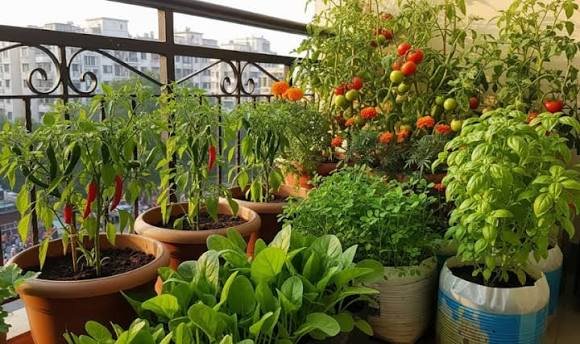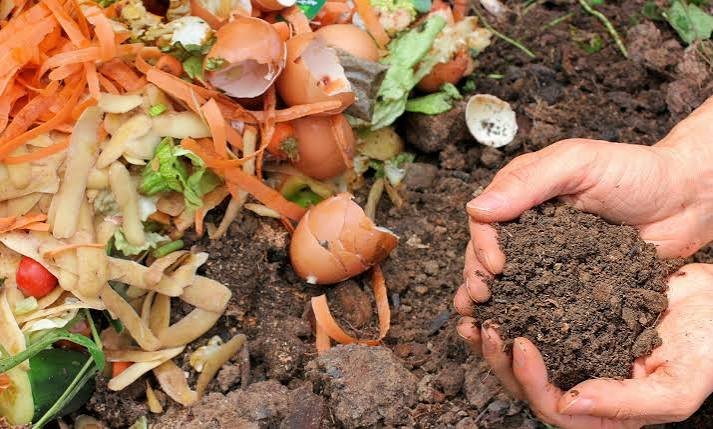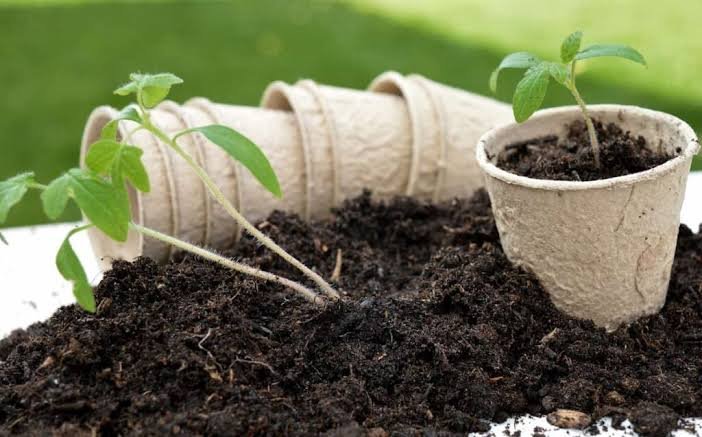

Have you ever brought home a beautiful, healthy plant from your local nursery, lovingly placed it on your balcony, watered it diligently, only to watch it slowly droop, turn yellow, and die within a few weeks?
You are not alone. Almost every beginner gardener in India goes through this exact heartbreak. And when it happens, we usually blame our watering habits, the harsh weather, or our lack of a “green thumb.” But the real culprit is almost always hiding right out of sight, beneath the surface. It’s the soil.
Most people start their home gardens by grabbing plain garden mud from a nearby empty plot or construction site, packing it into a plastic pot, and sticking a plant inside. In this deep-dive guide, we will unpack why that ordinary mud is a death sentence for container plants, break down the “Magic Three” components of high-yielding soil, and share the absolute best soil mix ratio for kitchen garden India so your home-grown veggies can truly thrive.
Why Plain Garden Mud Kills Your Container Plants
To understand why ordinary dirt fails miserably inside a flowerpot, we have to look at the structural difference between an open field and a container.
In an open field or farm, nature has a massive underground ecosystem. Earthworms burrow holes, rain washes away excess salts, and plant roots can spread horizontally and vertically for meters to find pockets of oxygen and water. The earth breathes.
Open Ground (Roots spread freely, natural drainage)
   VS.
Closed Container (Mud hardens like a brick, suffocates roots)
However, when you take that same heavy mud—especially the dense clay or red soil commonly found across India—and trap it inside a plastic or ceramic pot, something disastrous happens. Every time you water the plant, the fine mud particles pack closer together. Within a couple of weeks, the hot Indian sun bakes this mix until it hardens into a literal solid brick.
When soil turns into a brick:
- Root Suffocation: Roots need oxygen just as much as leaves do. When the mud compacts, all the tiny microscopic air pockets vanish. The roots literally suffocate.
- Water Trapping: Water cannot drain freely. It pools at the bottom of the pot, turning the lower half into an anaerobic swamp. This triggers root rot, a silent fungal killer that decays the root system until the plant suddenly collapses.
- Stunted Growth: Delicate, fine feeding roots cannot pierce through hardened mud to absorb nutrients. Your plant remains perpetually starved and stunted.
To fix this, we need to build a custom, fluffy, nutrient-dense, and highly aerated potting medium.
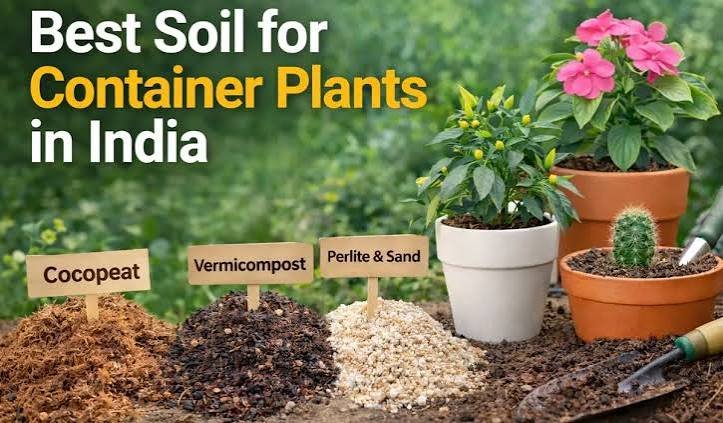
The Magic Three Components of an Ideal Potting Mix
A world-class potting mix requires a balance of structure, moisture control, and balanced nutrition. You can achieve this by combining three fundamental ingredients readily available across India.
       +---------------------------------------+
       |       THE MAGIC THREE SOIL TRIO       |
       +---------------------------------------+
       | 1. Red/Normal Soil ---> Structure     |
       | 2. Cocopeat        ---> Moisture      |
       | 3. Organic Compost ---> Pure Nutrition|
       +---------------------------------------+
1. Red or Normal Garden Soil (The Structural Foundation)
This is your base material. Whether you use local red soil (common in Southern and Western India) or alluvial black soil (common in the Northern plains), regular ground soil provides the weight and mineral anchor your plant needs to stand upright. It contains natural micronutrients and trace minerals like iron, magnesium, and calcium. However, as established, it cannot be used alone.
2. Cocopeat (The Moisture Regulator)
Cocopeat is a completely natural byproduct made from processed coconut husks. It looks like light brown sawdust and is usually sold at nurseries or online as compressed, hard blocks.
- Why it is critical in India: Our summers can easily cross $40^\circ\text{C}$, drying out standard pots within a few hours. Cocopeat acts like a microscopic sponge. It can hold up to 8 to 10 times its weight in water, keeping the root zone damp and cool without turning it muddy.
- Aeration: It lightens the heavy garden soil, breaking up those hard clay bonds so that oxygen can circulate freely around the roots.
- Note: Before using a new block of cocopeat, you must rehydrate it in a bucket of water and wash it 2-3 times to flush out any residual processing salts.
3. Organic Compost or Cow Dung Manure (The Nutrition Engine)
Soil and cocopeat provide structure and moisture, but they offer very little food for a hungry vegetable plant. That is where organic matter comes in.
- Vermicompost: Earthworm castings that are incredibly rich in beneficial soil microbes and active plant enzymes. It is gentle, odorless, and practically impossible to over-feed.
- Aged Cow Dung Manure (Gobar ki Khaad): The traditional backbone of Indian farming. It provides a massive blast of nitrogen, which is essential for lush, green leafy growth. Caution: Never use fresh cow dung, as it produces intense metabolic heat that will instantly burn your plant roots. Ensure it is dark brown, powdery, and well-aged for at least 6 to 9 months.
Step-by-Step Mixing Guide: Ratios for Different Plant Types
There is no single “one-size-fits-all” formula because different types of plants have entirely different feeding habits and water requirements. To get the best soil mix ratio for kitchen garden India, use these targeted blueprints.
Recipe A: The Standard Leafy Green & Herb Mix
Best for shallow-rooted, fast-growing greens like Spinach (Palak), Coriander (Dhania), Fenugreek (Methi), Mint (Pudina), and Lettuce. These plants prefer a light, highly moisture-retentive, loose medium.
- 40% Cocopeat (Keeps the soil consistently moist for tender greens)
- 30% Regular Garden Soil (Provides a lightweight anchor)
- 30% Vermicompost or Gobar ki Khaad (Delivers fast nitrogen for leaf production)
Recipe B: The Heavy-Feeding Vegetable Mix
Best for fruiting vegetables like Green Chillies, Tomatoes, Eggplants (Baingan), Okra (Bhindi), and Gourds. These plants live longer, develop deep roots, and need heavy structural support and a steady release of nutrients to bear heavy fruits.
- 40% Regular Garden Soil (Strong anchor to hold heavy plants upright against monsoon winds)
- 30% Vermicompost / Aged Manure (Heavy dose of nutrition for fruit development)
- 30% Cocopeat (Balanced drainage and moisture retention)
Natural Boosters: Shielding and Feeding Your Soil
If you want to take your potting mix to a professional standard, you need to add a few traditional Indian organic amendments. Think of these as the health supplements or chyawanprash for your soil.
| Amendment | Key Nutrient/Benefit | Recommended Dosage (Per 12-inch Pot) |
| Neem Cake Powder (Neem Khali) | Antifungal, prevents root nematodes, mild nitrogen | 2 Handfuls (~50 grams) |
| Bone Meal Powder | Slow-release Phosphorus & Calcium (Explosive blooming) | 2 Tablespoons (~30 grams) |
| Mustard Cake Powder (Sarso ki Khali) | Micronutrients, speeds up vegetative growth | 1 Tablespoon (Optional booster) |
| Wood Ash (Uple ki Raakh) | Potassium source, prevents surface mold | 1 Pinch |
Why Neem Khali is Mandatory
The warm, humid climate of India makes container soil highly susceptible to harmful soil fungi, root grubs, and microscopic root-knot nematodes. Neem cake powder is the residual flake left behind after oil is pressed from neem seeds. It acts as a powerful, non-toxic bio-pesticide that purges harmful pests from the root zone while acting as a slow-release organic fertilizer.
The Power of Bone Meal
Have you ever noticed your tomato or chili plants producing plenty of green leaves but absolutely zero flowers? That is due to a lack of phosphorus. Bone meal is packed with organic phosphorus and calcium. It encourages your root system to branch out aggressively and ensures that when flowering season hits, your plants explode with buds that actually stick to the vine instead of dropping off.
Testing Your Drainage: The “Squeeze Test”
Once you have gathered your ingredients and mixed them together thoroughly in a large tub or on a clean tarp sheet, you need to run a quality assurance check before filling up your pots. Experienced gardeners use a simple trick called the Squeeze Test.
[Take Handful of Damp Soil] ---> [Squeeze into a Ball] ---> [Poke with Finger]
                                                                    |
                                                                    v
                  { Crumbles completely = PERFECT DRAINAGE }
                  { Stays stuck like clay = NEEDS MORE COCOPEAT }
How to Perform the Squeeze Test:
- Take a large handful of your newly mixed potting soil.
- Sprinkle a small amount of water over it until the mix is damp, but not dripping wet.
- Squeeze the soil tightly inside your fist for 5 seconds to form a ball, then open your hand.
Reading the Results:
- Scenario 1 (The Clay Trap): If the soil forms a hard, sticky lump that retains the shape of your fingers and stays bound together like playdough, your mix contains too much clay or garden soil. It will suffocate your roots. The Fix: Add another half-bucket of washed cocopeat or clean river sand to increase porosity.
- Scenario 2 (The Sandy Desert): If the soil instantly falls apart the moment you open your palm and refuses to hold any shape at all, it is too dry or contains too much sand. It will drain water so fast that your plant will constantly wilt. The Fix: Mix in more vermicompost or garden soil to give the mix some body.
- Scenario 3 (The Perfect Sweet Spot): If the soil holds its shape as a loose ball in your open palm, but crumbles apart completely into soft, fluffy flakes when you gently poke it with your index finger, congratulations! You have successfully mastered the best soil mix ratio for kitchen garden India. Your soil breathes perfectly, drains beautifully, and is ready to grow incredible organic food.
By taking the time to build a porous, rich potting soil right from day one, you remove 80% of the friction from home gardening. Fill your containers, leave a 2-inch gap at the top for easy watering, and watch your urban balcony kitchen garden flourish!
See Also
How to make Best Container Soil Mix for Terrace and Balcony
7 Easiest Vegetables to Grow in Balcony India: The Ultimate Urban Apartment Guide