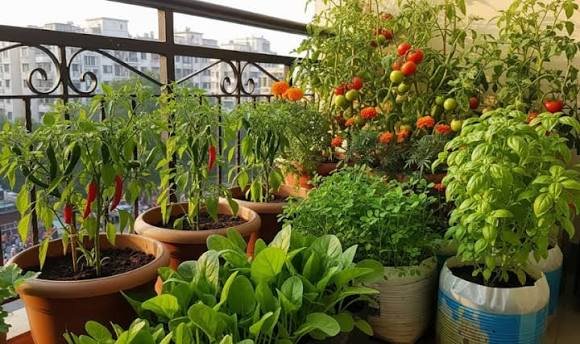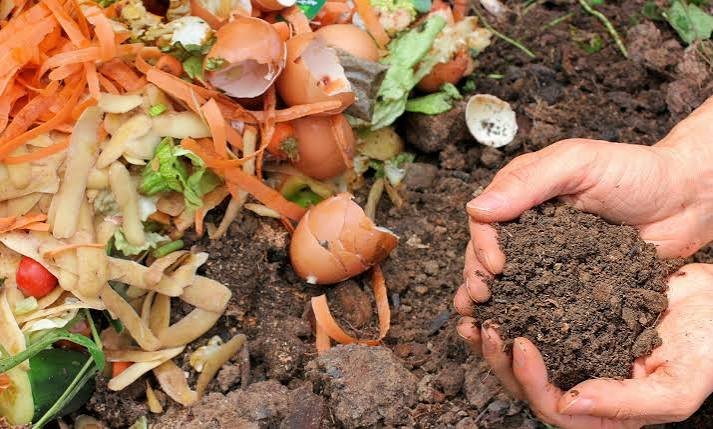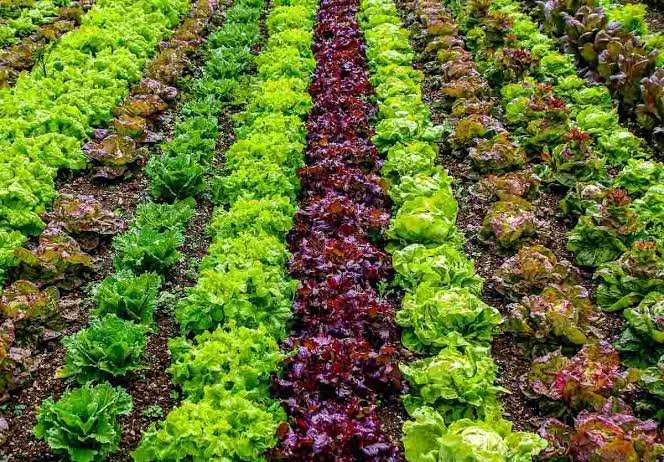

There is nothing quite like the arrival of the Indian monsoon. After months of grueling, bone-dry summer heat that leaves our balconies looking washed out and exhausted, the arrival of the rains feels like a celestial reset button. Within just a few showers, the air turns crisp, the temperature drops, and the entire landscape erupts into a vibrant, brilliant green.
If you are a home gardener or an aspiring urban farmer, this seasonal shift is your ultimate golden window. While most people view the rainy season as a time to stay indoors with a hot plate of pakoras and a steaming cup of adrak wali chai, smart gardeners know it is the absolute best time to get their hands dirty.
August is a magical bridge month in the Indian subcontinent. The heavy, initial fury of the southwest monsoon has stabilized, leaving behind high atmospheric humidity and soil that is naturally primed for explosive growth. If you have been wondering what vegetables to plant in August in India, you are in the right place.
In this comprehensive monsoon guide, we will look into why rainy weather acts like a natural steroid for plants, explore the top heavy-yielding monsoon crops you should sow right now, and share critical tips to protect your containers from rainy-season hazards like root rot and fungal attacks.
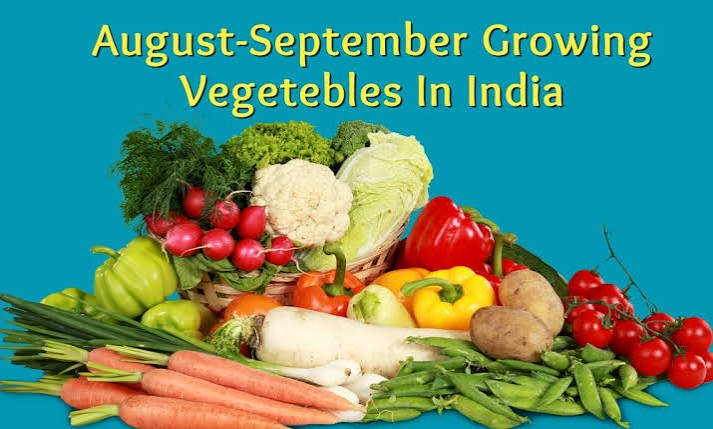
The Monsoon Advantage: Nature’s Secret Growth Hack
Before we look at our seed list, let’s understand the science behind why the monsoon is so incredibly powerful for vegetable cultivation.
When it rains, your plants aren’t just getting hydrated; they are receiving a premium, elite-tier chemical treatment courtesy of mother nature.
1. The Natural Nitrogen Blast
Our atmosphere is made up of roughly 78% nitrogen, but plants cannot absorb it in its gaseous form. During monsoon thunderstorms, cosmic lightning splits these atmospheric nitrogen molecules. They quickly bond with oxygen to form nitrates. Raindrops dissolve these nitrates and carry them straight down into your potting soil.
This is why, after a heavy spell of rain, your garden looks drastically greener and more vibrant within 24 hours than it ever does when watered with regular tap water. Tap water simply cannot replicate this natural chemical infusion.
2. High Ambient Humidity
Most tropical vegetables love high relative humidity (between 70% and 90%). It slows down the rate of transpiration (water loss through the leaves), allowing the plant to focus its cellular energy entirely on branching out, producing large leaves, and setting flowers rather than constantly fighting to stay hydrated.
Top Monsoon Crops: What Vegetables to Plant in August in India
August is the peak window for sowing traditional tropical summer-monsoon veggies. These varieties have evolved to love the warm, humid, and wet conditions of the Indian rainy season. Here are the top performers you should sow in your home containers or kitchen garden patches right now.
+------------------------------------------------------------+
|                 AUGUST SOWING SEED SELECTION               |
+------------------------------------------------------------+
|   Vines & Climbers (Gourds)   |    Bushy Staples (Solanaceous)|
|   -------------------------   |    ------------------------- |
|   * Bottle Gourd (Lauki)      |    * Eggplant (Baingan)      |
|   * Bitter Gourd (Karela)     |    * Okra (Bhindi)           |
|   * Sponge Gourd (Torai)      |    * Cowpeas (Lobia)         |
+------------------------------------------------------------+
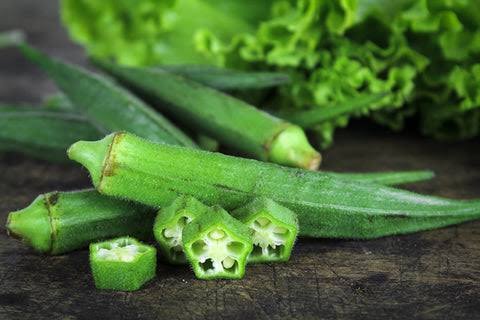
1. Okra or Ladyfinger (Bhindi)
Bhindi is an absolute staple in Indian households, and luckily, it thrives beautifully in the monsoon heat and moisture.
- Sowing Method: Direct sowing. Do not raise bhindi seeds in a nursery tray; they hate being transplanted. Bury the seeds directly into their final home.
- Pot Requirement: Use a container that is at least 10 to 12 inches deep. You can grow two okra plants in a wide 14-inch container.
- Monsoon Tip: August rains will cause bhindi plants to grow tall rapidly. Ensure they get plenty of bright light so their stalks don’t turn thin and structurally weak.
2. The Monsoon Gourd Family (Lauki, Karela, and Torai)
If there is one group of plants that completely dominates when considering what vegetables to plant in August in India, it is the native climber gourds. Bottle Gourd (Lauki), Bitter Gourd (Karela), and Sponge Gourd (Torai) grow at an astonishing rate during August.
- Sowing Method: Soak these large, hard seeds in water overnight to soften their tough outer shells and speed up germination. Sow them an inch deep directly into large containers.
- Pot Requirement: Gourds are heavy feeders with massive root systems. They require large pots or grow bags—ideally 15 to 18 inches in diameter and depth.
- Support Setup: Because these are climbing vines, you must install a strong trellis, bamboo stake system, or sturdy nylon netting. Within weeks, their tendrils will lock onto the support and create a beautiful green canopy across your balcony or terrace.
3. Eggplant or Brinjal (Baingan)
Whether you love baingan ka bharta or small stuffed brinjals, August is an excellent time to start your crop. Eggplants love humidity but need warm root zones to thrive.
- Sowing Method: Indirect sowing. Sow seeds in a seedling tray or small paper cups first. Once the saplings are 4 to 5 inches tall with multiple true leaves, transplant them into their final pots.
- Pot Requirement: A standard 12-inch pot per individual brinjal plant is ideal.
- Variety Pick: For home balconies, look for the short, cluster-bearing purple or green varieties rather than the massive, heavy varieties, as they produce a much higher volume of food in constrained spaces.
4. Podded Beans (Lobia and Sem ki Phali)
Legumes like Cowpeas (Lobia) and Cluster Beans (Gwarphali) are excellent monsoon choices. They have a unique symbiotic relationship with beneficial soil bacteria that allows them to fix nitrogen directly into the potting mix, improving your soil health naturally.
- Sowing Method: Direct sowing into medium-sized pots (10-12 inches).
- Harvesting Time: They are incredibly fast producers. You will see fresh, crisp green pods ready for harvesting within 45 to 55 days of sowing.
The Biggest Monsoon Threat: Defeating Root Rot and Fungal Infections
While the rains bring life, they also bring the ultimate nemesis of container gardening: excessive water retention. Stagnant, waterlogged soil creates an environment stripped of oxygen, which allows harmful anaerobic fungi to bloom and attack your plants.
Excess Water Trapped ---> Oxygen Depletion ---> Root Rot Spores Activate ---> Plant Collapses
If your vegetable plants look wilted, yellow, or soft despite the soil being completely wet, you are dealing with monsoon root rot. Here is your defense blueprint to keep your crops safe.
1. The Dynamic Potting Soil Modification
If you use your standard winter or summer soil mix during the monsoon, it will trap too much water. When deciding what vegetables to plant in August in India, you must modify your soil recipe to prioritize drainage over moisture retention.
- The Monsoon Mix Ratio: Reduce your cocopeat content and introduce sharp river sand or perlite. Use 40% Regular Garden Soil, 40% Vermicompost/Manure, and only 20% Cocopeat/Sand. This ensures that even during a continuous three-day downpour, water passes straight through the soil profile without forming a muddy swamp.
2. The Power of Trichoderma Viride
Trichoderma Viride is an incredibly powerful, completely organic bio-fungicide available at almost every Indian agricultural store or online nursery portal. It is a beneficial predatory fungus that actively hunts down and consumes the harmful root-rot-causing fungi like Phytophthora and Pythium.
- Application: Mix one teaspoon of Trichoderma powder into your potting soil before planting your seeds, or dissolve it in water and pour it over your containers once every 15 days during the rainy season.
Monsoon Watering Rules: Stepping Back and Checking Drainage
One of the funniest mistakes beginner urban gardeners make is walking out to their balcony with a watering can during a rainstorm simply because it is part of their daily routine. Monsoon gardening requires you to change your habits completely.
1. Let Nature Take the Wheel
During August, you should rarely need to water your open balcony or terrace plants manually. Let the natural rain handle hydration.
- The Overwatering Check: Always use the finger-dip test. If the top two inches of soil feel wet or sticky, keep your watering can tucked away. Chili, brinjal, and okra plants prefer their soil to dry out slightly between waterings; keeping them perpetually wet will cause their flower buds to turn yellow and drop off.
2. Inspect and Unclog Drainage Holes
Before the heavy August spells hit, sit down and inspect every single pot in your garden.
- The Saucer Trap: Remove all plastic saucers and drip trays from underneath your pots. During the monsoon, these saucers collect pooling water, forcing the bottom of your pot to sit in a stagnant pool, which triggers rot.
- The Drainage Clear-Out: Take a small stick or screwdriver and gently poke the bottom drainage holes of your pots to ensure they aren’t blocked by hardened mud or roots.
- Pot Elevators: Elevate your pots slightly off the ground using brick fragments, stones, or dedicated plastic pot stands. This allows water to exit freely from the bottom and prevents heavy moisture from getting trapped between the pot base and your balcony floor.
Your August Sowing Checklist
To ensure your rainy season gardening is a massive success, print out or save this handy operational guide:
| Vegetable | Sowing Type | Ideal Container Depth | Days to Germination | Expected Harvest Timeline |
| Okra (Bhindi) | Direct Sowing | 10 – 12 Inches | 5 – 7 Days | 60 – 70 Days |
| Bottle Gourd (Lauki) | Direct Sowing | 15 – 18 Inches | 6 – 9 Days | 75 – 90 Days |
| Bitter Gourd (Karela) | Direct Sowing | 15 – 18 Inches | 7 – 10 Days | 70 – 85 Days |
| Eggplant (Baingan) | Nursery Transplant | 12 Inches | 6 – 8 Days | 80 – 95 Days |
| Cowpeas (Lobia) | Direct Sowing | 10 Inches | 4 – 6 Days | 50 – 60 Days |
Three Golden Rules for August Success:
- Never sow seeds during a massive downpour: Heavy rain will wash your seeds right out of the pot or bury them too deep under mud where they will rot. Always sow your seeds during a clear patch or under a sheltered area, and move them out once they germinate.
- Watch out for pests: High humidity brings pests like caterpillars, slugs, and leaf miners. Spray your plants with an organic Neem Oil solution (5ml neem oil + 2 drops liquid soap in 1 liter of water) every 10 days as a preventative shield.
- Keep harvesting: The more you harvest your gourds, okra, and beans, the more energy the plant redirects into creating new flowers and fresh vegetables.
The monsoon is nature’s gift to the tropical gardener. By selecting the right varieties, optimizing your container drainage, and letting the natural elements do the heavy lifting, you can easily transform your balcony into a lush, incredibly productive edible jungle this August. Happy gardening!
See Also
10 Best Monsoon Vegetables | Plant Now, Harvest August-September ||Gardening Guide
How to Grow Chillies in Pots at Home in India: The Ultimate Guide to Fiery Hari Mirch