
Walk into any modern supermarket or high-end fruit boutique in an Indian city today, and you will be greeted by rows of pristine, wax-coated apples from Washington, bright green kiwis from New Zealand, exotic dragon fruits from Vietnam, and boxes of uniform Chilean blueberries. We pay premium prices for these imported fruits, convinced that they are the gold standard of health, luxury, and modern nutrition.
But if you take a step back and talk to your grandparents, they will tell you a completely different story. They will tell you about hot summer afternoons spent cracking open rock-hard, aromatic bael shells, plucking tart, mouth-puckering karonda berries from thorny hedges, or coming home with purple-stained tongues after devouring a handful of juicy jamuns.
Our local ecosystems are home to an incredible, health-packed selection of indigenous fruits that are slowly fading from urban markets. Because they don’t always fit into uniform plastic crates or look perfectly symmetrical on a supermarket shelf, we are losing touch with our rich botanical heritage.
It is time to look beyond global imports and rediscover the wild, intensely flavorful, and nutrient-dense options right in our own backyard. Let’s look at this essential native Indian fruits list featuring five forgotten treasures that are packed with medicinal benefits, deeply rooted in history, and perfectly adapted to our changing climates.
The Native Lineup: 5 Hidden Jewels of the Indian Subcontinent
These five fruits have sustained generations of communities across the Indian subcontinent. They offer unique flavor profiles—ranging from deep astringent sweetness to sharp, mouth-watering sourness—that put standard store-bought options to shame.
       +-------------------------------------------------------+
       |             THE INDIGENOUS FRUIT LINEUP               |
       +-------------------------------------------------------+
       | 1. Wood Apple (Bael)     ---> The Ultimate Gut Cooler |
       | 2. Java Plum (Jamun)     ---> The Diabetic Superhero  |
       | 3. Bengal Currant        ---> The Tart Summer Berry   |
       |    (Karonda)                                          |
       | 4. Star Fruit (Kamrakh)  ---> The Tangy Salad Star    |
       | 5. Indian Gooseberry     ---> The Immunity King       |
       |    (Amla)                                             |
       +-------------------------------------------------------+
1. Wood Apple (Bael) – The Ultimate Summer Shield
The Bael tree (Aegle marmelos) is native to the dry, rocky plains of India and holds a deeply revered status in our culture. Encased in a smooth, woody green shell that requires a heavy blow to crack open, the inside reveals a sticky, fibrous, bright yellow-orange pulp packed with small seeds.
- The Flavor Profile: It features a warm, aromatic sweetness with distinct notes of honey and banana.
- The Traditional Ritual: In northern and central India, the pulp is scooped out, soaked in water, strained, and whipped into a refreshing summer drink called Bael ka Sharbat. It acts as a natural cooling shield, protecting your body against intense heatwaves and heat strokes (loo).
2. Java Plum or Black Plum (Jamun) – The Purple Stain of Summer
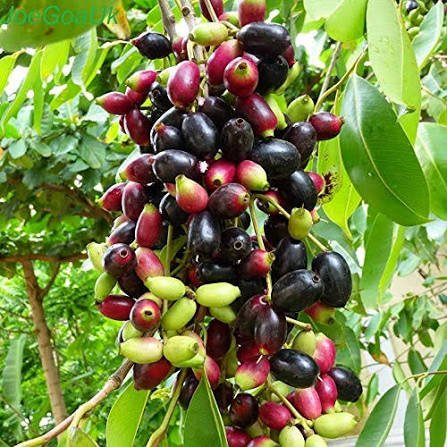
The arrival of the monsoon rains across India is heralded by the appearance of Jamun (Syzygium cumini). These small, oblong, glossy dark-purple berries blanket local trees and are sold by roadside vendors in wicker baskets, lightly tossed in black salt (kala namak).
- The Flavor Profile: A unique combination of deep sweetness followed by a sharp, astringent, dry pucker that temporarily dyes your entire tongue a vibrant shades of violet.
- The Nutritional Powerhouse: Jamun is widely recognized for its high concentration of anthocyanins (powerful antioxidants) and its incredibly low glycemic index, making it an excellent fruit for active blood sugar management.
3. Bengal Currant (Karonda) – The Forgotten Wild Berry
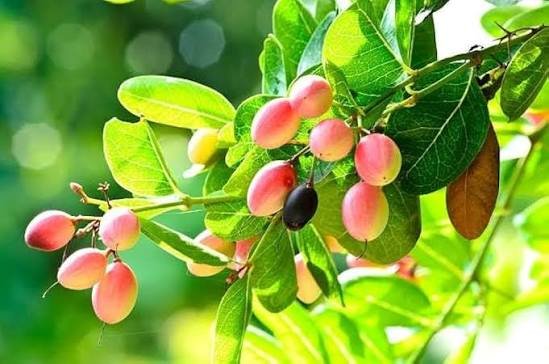
If you venture into the countryside or explore old, rustic hedges in states like Maharashtra, Uttar Pradesh, or West Bengal, you will encounter Karonda (Carissa carandas). These tiny, charming berries grow on dense, thorny shrubs and look like miniature, bi-colored marbles—one side a milky white and the other a blushing pinkish-red.
- The Flavor Profile: Intensely sour and tart when raw, with a crisp, crunchy bite.
- The Culinary Adaptability: Because of their sharp acidity, they are rarely eaten plain. Instead, they are transformed into spicy, mustard-oil pickles (Karonda ka Achar), sweet-and-tangy chutneys, or sliced directly into slow-cooked winter dals to add a bright, sour lift.
4. Star Fruit (Kamrakh) – The Street-Food Childhood Memory
For many who grew up in semi-urban India, Kamrakh (Averrhoa carambola) brings back fond childhood memories of school gates. Street vendors would artfully slice this oblong, ridged green-yellow fruit horizontally, transforming it into a collection of perfect, five-pointed stars, before dusting them with a mix of red chili powder and salt.
- The Flavor Profile: Incredibly juicy and refreshing, with a crisp texture similar to a green apple, featuring a sweet-and-sour flavor that triggers immediate salivation.
- The Modern Culinary Lift: Beyond nostalgia, star fruit functions as an excellent, low-calorie ingredient for modern summer salads, cold-pressed juices, and gourmet fruit platters.
5. Indian Gooseberry (Amla) – The King of Superfoods
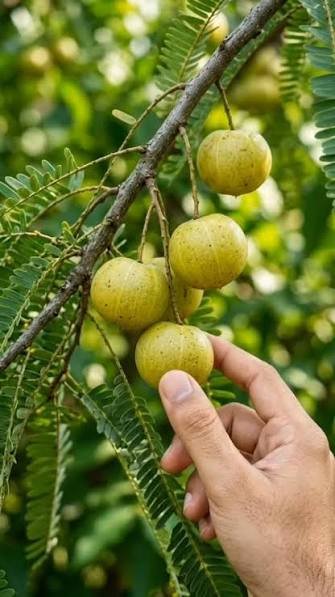
No native Indian fruits list is truly complete without the addition of Amla (Phyllanthus emblica). These translucent, pale-green, round fruits might look unassuming, but they are a heavy-hitting superfood that outclasses imported berries in almost every nutritional metric.
- The Vitamin C Champion: A single tiny Amla berry contains up to twenty times more Vitamin C than a standard orange, making it an incredible booster for skin health, cellular repair, and natural immune function.
- The Flavor Journey: Eating an Amla is a sensory experience. The initial bite is intensely bitter and sour, but if you drink a sip of water immediately afterward, a wave of clean sweetness spreads across your palate.
Historical & Ayurvedic Significance: Food as Medicine
One of the reasons these fruits are so deeply vital to our well-being is that they have been studied for thousands of years within Ayurveda, India’s ancient holistic medical system. In our traditional heritage, food was never just calories; it was your primary internal medicine.
       +--------------------------------------------------------+
       |             AYURVEDIC PROPERTIES PROFILE               |
       +--------------------------------------------------------+
       | Bael  ---> Balances Vata & Kapha, cures gut disorders |
       | Jamun ---> Pacifies Pitta & Kapha, controls glucose    |
       | Amla  ---> Tridoshic (Balances Vata, Pitta, and Kapha) |
       +--------------------------------------------------------+
The Gut-Healing Power of Bael
In Ayurvedic literature, Bael is referred to as Bilva. It is celebrated for its highly effective digestive properties. The tannins present in the pulp are highly effective at reducing intestinal inflammation, making it a traditional remedy for curing chronic diarrhea, dysentery, and irritable bowel issues without disrupting natural gut flora.
Jamun’s Metabolic Regulation
The seeds of the Jamun fruit contain a unique crystalline glycoside called Jamboline, which naturally slows down the internal conversion of starches into sugars. This metabolic regulation helps prevent sudden post-meal glucose spikes, explaining why traditional practitioners have prescribed dried Jamun seed powder for type-2 diabetes management for centuries.
Amla’s Rasayana Status
In Ayurveda, Amla is classified as a Rasayana—a premium class of rejuvenating herbs that slow down the cellular aging process, boost vitality, and maintain internal equilibrium. It is one of the three foundational ingredients in Triphala Churna, the famous traditional formulation used daily across millions of Indian households to support digestive health and body detoxification.
Why We Should Grow Them: Climate Resilience and Low Input Farming
Reintroducing these indigenous varieties into our home gardens, balconies, and commercial farms is more than just a matter of nostalgia; it is a critical strategy for sustainable, climate-resilient agriculture.
Imported Exotic Fruits: Need Pesticides, Heavy Water, Chemical Shielding
Native Indian Fruits: Deep Roots, Pest Resistant, Thrive in Heat waves
1. High Resistance to Local Pests
Because these trees have co-evolved alongside local insects and soil microbes over millennia, they have developed sophisticated internal defense mechanisms. Unlike delicate imported varieties that require constant applications of chemical fungicides and pesticides to survive a single season, native trees like Bael, Jamun, and Karonda grow vigorously with minimal human intervention, making them ideal for organic cultivation.
2. Low Water and Resource Inputs
Imported crops like kiwis or commercial apples require strict microclimates, high-volume irrigation, and highly precise chilled storage chains. Native Indian fruits possess deep, expansive taproot systems that can access water tables deep beneath the ground. They can handle intense dry spells, erratic monsoons, and high summer temperatures without dropping their yields, reducing water consumption by up to 60% compared to non-native crops.
How to Bring Them Back to Your Table
Changing the narrative starts with our daily buying habits. Here is how you can actively help revive this essential native Indian fruits list:
- Support Local Farmers: Skip the air-conditioned supermarket aisles once in a while and purchase your produce from local weekly markets (shandy or mandi). Support the small-scale elderly vendors who harvest these wild fruits from local field borders.
- Incorporate Them Into Modern Recipes: Get creative in the kitchen! Use star fruit slices in your summer salads, turn fresh karonda berries into low-sugar gourmet jams, or blend fresh amla into your morning green smoothies.
- Plant Them in Your Spaces: If you have a backyard or a large terrace grow bag, consider planting a dwarf variety of Amla or a hardy Karonda bush. They require minimal care and reward you with high yields of clean, organic food for years.
By choosing local, seasonal, and indigenous produce, we protect our health, support sustainable local farming communities, and preserve a vibrant botanical heritage for generations to come. Let’s embrace the true wealth of our native orchards!
See Also
Indian fruit: Bael, Kinno, Sharifa or Custard-Apple and karaunda fruit on the tree
From South America to Goa: The Surprising History of the Potato in India