
If you cook Indian food, fresh dhania is basically oxygen. A fistful of finely chopped coriander leaves scattered over a steaming bowl of aloo rasa, a vibrant green chutney waiting to be slathered on fresh pakodas, or just that classic finishing touch on your daily dal—we simply cannot live without it.
But let’s talk about the absolute heartbreak every home gardener in India faces. You buy a small pot, carefully sow your seeds, watch the tiny green sprouts pop up with pure joy, and just when you think you are about to harvest your own fresh organic bounty, something goes horribly wrong. The plant suddenly shoots upward like a rocket, grows thick, hollow stalks, produces tiny white flowers, and stops growing leaves altogether.
Congratulations, your coriander has bolted.
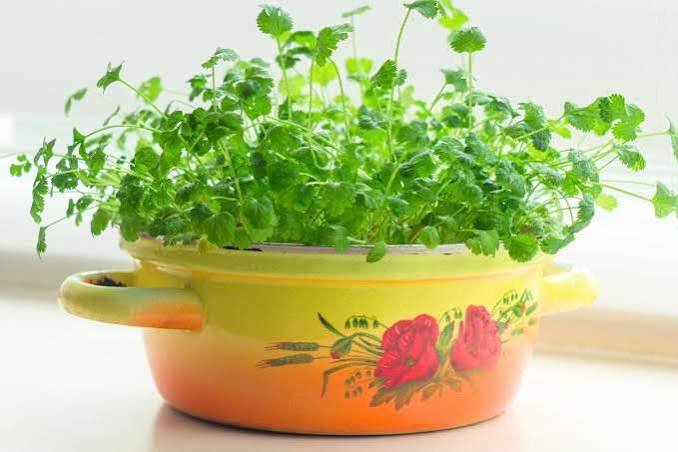
When a coriander plant bolts, it goes straight to seed production mode, making the existing leaves taste woody, bitter, and completely useless for cooking. Bolting is the number one reason why growing coriander fails in Indian balconies. But don’t give up just yet! In this definitive how to grow coriander in pots in India masterclass, we are going to dive deep into the secrets of keeping your dhania lush, bushy, and leaf-heavy—even when the Indian summer heat tries its absolute best to ruin your crop.
The Balcony Crisis: Why Coriander Fails in Indian Homes
If your previous attempts at growing coriander felt like an epic fail, don’t blame your green thumb. The Indian climate presents a unique set of challenges for this delicate herb. Coriander (Coriandrum sativum) is natively a cool-season crop.
[Harsh Indian Heat (>30°C)] + [Root Congestion] = Plant Stress Reaction (Bolting)
In typical Indian apartments, balconies either get baked under blistering afternoon sun or face complete shade. When coriander roots face extreme heat stress, congested soil, or dehydration, the plant goes into survival mode. It realizes its lifespan is coming to an end due to the harsh weather, so it rapidly shoots up flowers to create seeds (dhania seeds) for the next generation. To fix this, we need to artificially simulate a stable, cool, and nutrient-rich environment within our containers.
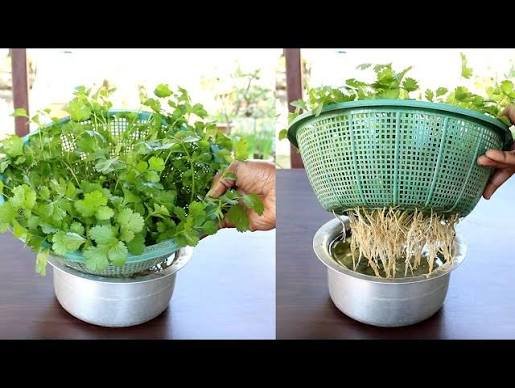
Timing is Everything: Best Season to Grow Coriander in India
To set yourself up for absolute success, you need to align your planting cycle with the right weather conditions.
+--------------------+------------------------+-------------------------+
| Indian Region      | Best Sowing Months     | Growth Expectation      |
+--------------------+------------------------+-------------------------+
| North Indian       | October to February    | Phenomenal growth; multi-|
| Plains             | (Winter Season)        | ple cuttings easily     |
+--------------------+------------------------+-------------------------+
| South & Coastal    | June to September /    | Best grown in partial   |
| India              | November to January    | shade during cooler days|
+--------------------+-------------------------+-------------------------+
| Hilly Regions      | March to September     | Beautiful summer crop   |
+--------------------+------------------------+-------------------------+
While winter is the undisputed gold-standard time for growing dhania across the country, you can absolutely grow it in the monsoon and summer months as long as you strictly follow the anti-bolting cooling hacks outlined further down in this guide.
Seed Selection: Whole Dhania vs. Split Coriander Seeds
Here is a rookie mistake that costs people weeks of waiting: throwing raw, hard, whole round coriander seeds straight from the spice box into the soil.
Coriander seeds are actually husks that contain two separate embryos inside them. If you plant the whole ball intact, it takes twice as long to germinate, and the two sprouts will grow jammed right next to each other, competing for nutrients and causing early root stress.
        WHOLE SEED                          SPLIT SEED (CRUSHED)
      +------------+                         +-----+      +-----+
      |   (Oo)     |  =================>     | (O) |  +   | (o) |
      | Whole Husk |                         |Embryo1|    |Embryo2|
      +------------+                         +-----+      +-----+
    Slow Germination                        Fast, Healthy Growth
The Right Way to Prep Seeds:
Take your whole dhania seeds, place them on a flat surface or a kitchen cutting board, and gently roll a heavy rolling pin (belan) over them with light pressure. You don’t want to pulverize them into spice powder! You just want to crack the outer husk open so the seeds split neatly into two halves.
Pre-Soaking Secret
For lightning-fast germination, soak these split seeds in room-temperature water for 8 to 12 hours before planting. This softens the hard seed coat and signals the embryo inside to wake up instantly.
Pot Dynamics: Best Depth, Size, and Spacing for Lush Growth
Coriander has an incredibly sensitive, delicate taproot system. It absolutely hates being transplanted. If you plant it in a tiny seed starter tray and try to move it to a bigger pot later, the shock to the taproot will trigger instant bolting.
Rule of Thumb: Always sow your coriander seeds directly into the final container where they will spend the rest of their lives.
+-------------------------------------------------------------+
|                     CONTAINER DIMENSIONS                    |
+------------------------------+------------------------------+
| Ideal Pot Depth:             | 8 to 10 inches minimum       |
+------------------------------+------------------------------+
| Ideal Pot Width:             | 12 to 18 inches wide troughs |
+------------------------------+------------------------------+
| Material Preference:         | Terracotta, Clay, or Fabric  |
+------------------------------+------------------------------+
Why Wide Troughs Beat Deep Pots
Coriander doesn’t need massive vertical space, but it loves surface area. Wide, rectangular plastic or fabric grow bags allow you to scatter your split seeds evenly across a large canvas. This prevents the roots from tangling and choking each other out, keeping the plant happy, cool, and stress-free.
The Perfect Organic Soil Mix for Container Coriander
Coriander needs soil that feels like a soft, fluffy sponge. If your soil hardens like a brick after watering, the delicate roots won’t be able to spread out, resulting in stunted, yellowing leaves.
Avoid using plain garden soil (mitti) from your yard. Instead, create this rich, highly draining potting mix:
- 40% Regular Garden Soil (For structural base)
- 30% Well-Rotted Vermicompost or Cow Dung Manure (Gobar Khaad) (For continuous nitrogen release)
- 20% Coco Peat (To retain crucial moisture and keep roots cool)
- 10% River Sand or Perlite (To ensure excess water drains out instantly)
- Bonus: Throw in two tablespoons of Neem Cake Powder (Neem Khali) to protect the sensitive root system from soil-borne fungi and pests.
Sunlight Management: Full Sun vs. Morning Sun
This is where most Indian urban gardeners go wrong due to generalized global gardening advice. While Western blogs state that coriander requires “6 to 8 hours of full blazing sun,” following that rule in a 38°C Indian April heatwave will result in instant death for your herb.
                  BALCONY SUNLIGHT ARCHITECTURE

   [Morning Sun: 7 AM - 11 AM]    -->   ⭐⭐⭐⭐⭐ Perfect!
   [Afternoon Blare: 12 PM - 4 PM] -->   ❌ Early Death & Bolting
- During Winters: Place your pots where they get full sun all day long. The cool winter air balances the thermal radiation beautifully.
- During Summers & Monsoon: Move your pots to an East-facing balcony or window sill where they receive 3 to 4 hours of gentle morning sunlight. Once the clock strikes 11:30 AM, they should be shielded in complete bright indirect shade. This provides enough energy for photosynthesis without heating up the soil matrix to boiling levels.
Watering Mistakes That Cause Yellowing and Wilting
Watering coriander is a game of fine balances. It despises both drought conditions and soggy swamps.
The Yellow Leaf Symptom (Over-watering)
If you notice the lower leaves of your coriander turning a pale translucent yellow, stop watering immediately! This means the soil is waterlogged, the roots are literally drowning due to a lack of oxygen, and root rot is setting in. Ensure your pot has at least 2-3 clear drainage holes at the bottom.
The Dry Shaking Symptom (Under-watering)
If the soil dries out completely even for a single afternoon, the plant panics. It views the dry spell as an existential threat, which directly triggers the hormonal response to bolt. The soil should always feel like a wrung-out sponge—pleasantly damp to the touch, but never muddy.
How to Prevent Bolting in Warm Weather: Expert Anti-Heat Hacks
If you want to keep harvesting fresh leaves deep into the spring and summer months, you must trick the plant into thinking it’s still cool out. Here are four game-changing professional techniques:
1. The Art of Mulching
Cover the exposed top layer of your pot’s soil with a one-inch thick layer of dried coconut husk fiber, dried leaves, or sugarcane bagasse. Mulching acts as a thermal barrier. It prevents the harsh daylight from heating up the soil matrix, keeping the roots beautifully chilled.
2. Micro-Climate Clustering
Don’t let your coriander pot sit isolated out in the open. Cluster it closely alongside your larger leafy houseplants, such as Money Plants, Syngoniums, or Areca Palms. The collective transpiration from the larger plants creates a humid, cool micro-climate bubble around your coriander container.
3. Deep Sowing
While general seeds are sown barely a millimeter deep, try sowing your coriander seeds roughly 0.5 inches deep into the soil during warmer months. This ensures the emerging crown and initial root nodes stay nested deep within the insulated, cooler subterranean soil layers.
4. Grow Bolt-Resistant Varieties
When purchasing seeds from your local nursery or online portals, explicitly check for labels that read “Multi-cut” or “Summer Green” varieties. These seeds have been selectively bred to withstand higher heat thresholds before breaking out into flower mode.
Harvesting Methods for Continuous Repeat Cuttings
Don’t pull the entire plant out from its roots when you need coriander for your dinner prep! If you harvest it correctly, a single pot can provide you with fresh cuttings for 3 to 4 successive rounds.
       INCORRECT HARVEST                     CORRECT "CUT & COME AGAIN"
     +-------------------+                     +-------------------+
     |   Pull out whole  |                     |  Leave base 1-inch|
     |   root system     |                     |  intact; snip off |
     |   (Plant dies)    |                     |  outer long stems |
     +-------------------+                     +-------------------+
The “Cut and Come Again” Strategy:
Wait until your coriander stalks grow at least 6 inches tall. Take a sharp pair of clean scissors and snip off the outermost, mature leaves roughly one inch above the soil line. Always leave the absolute center core of the plant (where tiny new leaves are emerging) completely untouched. Within 7 to 10 days, this central growing tip will regenerate a whole new flush of juicy, aromatic green stems!
Frequently Asked Questions (FAQs)
Q1. Can I grow coriander using the common dhania seeds from my kitchen spice box?
Yes, absolutely! Supermarket or grocery store dhania seeds can germinate perfectly fine provided they aren’t completely ancient, roasted, or heavily polished. Just split them using a rolling pin, run a quick overnight germination soak, and plant them out.
Q2. Can coriander grow indoors inside a kitchen?
Only if your kitchen gets an abundant amount of direct bright morning sunlight through a window sill. Coriander cannot thrive on ambient indoor room lighting alone. If you don’t have natural bright windows, you will need to place them under an artificial LED grow light setup for 10-12 hours a day.
Q3. Why are my coriander stems growing extremely thin, tall, and falling over?
This condition is called being “leggy.” It is a clear cry for help indicating your plant is not receiving enough light energy. The stems are rapidly stretching themselves upward towards the nearest light source. Move your container to a spot that receives brighter, direct morning sunlight.
Q4. What should I do if my coriander has already started flowering?
Once the thick central stalk shoots up and white flowers appear, the leaf production phase is permanently over. Let the flowers bloom! They will attract gorgeous beneficial pollinators like honeybees to your balcony garden. Eventually, these flowers turn into fresh green coriander seeds, which you can harvest, dry, and use as an incredibly potent spice in your kitchen.
See Also
- Grow Coriander at home in water; Dhaniya उगाने का सबसे आसान तरीका : Coriander in hydroponic system
- How to Grow Coriander/Dhaniya/Cilantro at Home (WITHIN 10 DAYS)
- The Ultimate DIY Potting Soil Guide: The Best Soil Mix Ratio for Kitchen Garden India
- 7 Easiest Vegetables to Grow in Balcony India: The Ultimate Urban Apartment Guide