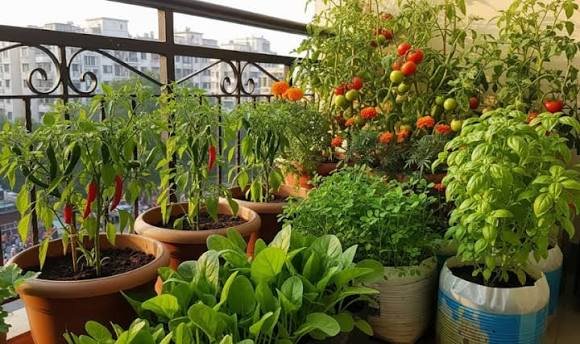

There is a distinct magic in the way seasons shift in Northern India. Right around late September and early October, the stifling monsoon humidity finally breaks. The nights begin to carry a subtle, crisp chill, the morning dew returns, and the afternoon sun transitions from a scorching glare into a comforting, golden warmth. Time to wonder best winter vegetables to grow in North India
For home gardeners across Delhi-NCR, Punjab, Haryana, Uttar Pradesh, and Rajasthan, this climatic shift signals the arrival of the undisputed golden era of cultivation.
If you have spent the summer struggling to keep a few chili plants alive through blistering heatwaves, get ready to smile. The dramatic drop in North Indian temperatures creates a perfect microclimate that mirrors temperate climates, opening up a magnificent window to grow premium, crisp, European-style vegetables right on your terrace or balcony.
From crunchy carrots and sweet peas to exotic broccoli and vibrant leafy greens, your home containers are about to become incredibly productive. Let’s look at the best winter vegetables to grow in North India, how to master your October sowing schedule, and how to set up your urban garden for a massive December harvest.
The October Window: Why the Northern Winter is a Gardener’s Paradise
If you try to grow crops like broccoli, spinach, or carrots in May, they will instantly bolt, turn bitter, and wither away. These plants are biologically programmed to thrive in cooler air temperatures ($10^\circ\text{C}$ to $25^\circ\text{C}$) paired with cool, damp soil conditions.
[Summer Heat: Over 40°C] ---> Soil Bakes, Cold-Weather Seeds Die
[October Transition: 15°C - 28°C] ---> Perfect Ambient Temperature for Sprouting Cold-Weather Crops
October provides the ultimate launchpad. The soil still retains a bit of summer warmth, which triggers lightning-fast seed germination, while the cooling autumn breeze prevents the young saplings from drying out. This unique regional pattern allows North Indians to cultivate crisp, sweet, and structurally superior cool-season varieties that are practically impossible to grow in the tropical southern states without greenhouse infrastructure.
The Winter Heavyweights: What to Plant in Your Containers Right Now
When planning your winter garden layout, group your plants by their root structures and structural growth habits. Here are the top heavyweights that stand out as the best winter vegetables to grow in North India.
+------------------------------------------------------------+
|                  WINTER VEGETABLE SELECTION                |
+------------------------------------------------------------+
|  Root Crops (Deep Soil)     | Cruciferous & Pods (Heavy)   |
|  ----------------------     | --------------------------   |
|  * Red Carrots (Gajar)      | * Cauliflower (Phool Gobi)   |
|  * Beetroot (Chukandar)     | * Broccoli                   |
|  * Radish (Mooli)           | * Green Peas (Matar)         |
+------------------------------------------------------------+
1. The Red Root Champions: Carrots (Gajar) and Beetroot (Chukandar)
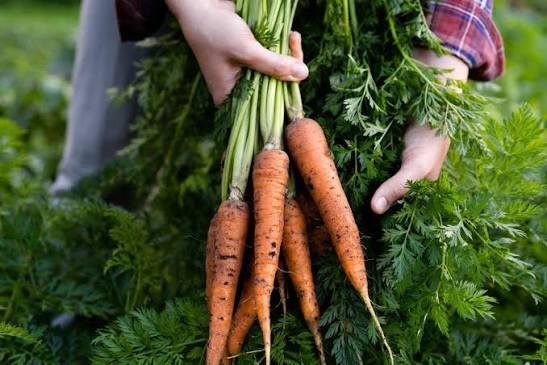
Nothing says North Indian winter quite like a warm bowl of Gajar ka Halwa or a crisp salad featuring deep red Chukandar.
- Sowing Method: Direct sowing. Root crops absolutely hate being transplanted. If you disturb their central taproot after it sprouts, your final carrots will turn out twisted, stunted, and deformed.
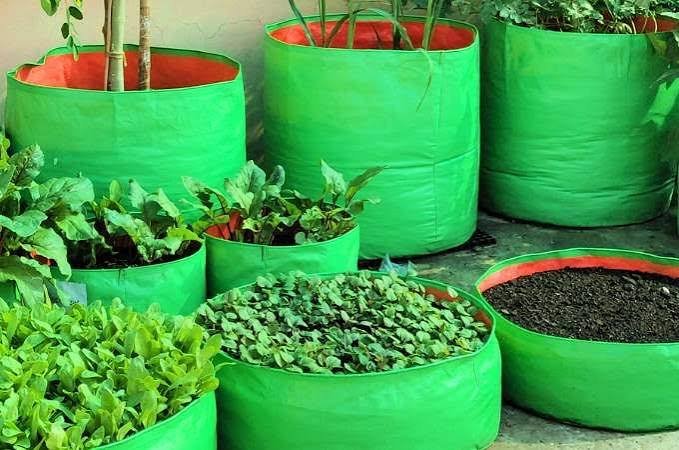
- Potting Logistics: Carrots require deep containers. Choose a pot or fabric grow bag that is at least 12 to 14 inches deep. Ensure your potting soil is completely free of rocks, clumps, or heavy clay. The looser the soil, the longer, straighter, and juicier your carrots will grow.
- Sowing Tip: Mix your tiny carrot seeds with a handful of fine river sand before scattering them across the soil surface. This prevents the seeds from clumping together and saves you a lot of effort later during the thinning stage.
2. The Heavy Hitters: Cauliflower (Phool Gobi) and Broccoli
Growing your own head of pristine white cauliflower or dense green broccoli is incredibly rewarding.
- Sowing Method: Indirect sowing. Raise these seeds in a seedling tray or small paper cups during early October. Once they develop 4 to 5 strong leaves, transplant individual saplings into their final containers.
- Potting Logistics: These are space hogs and heavy feeders. Allocate one individual 12-inch pot per single plant.
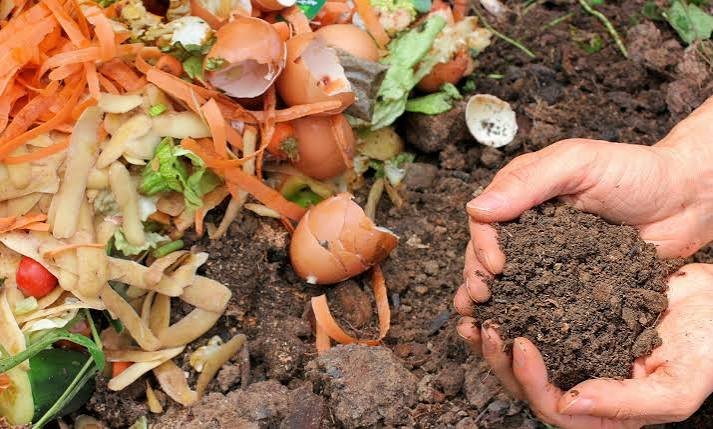
- Feeding Requirement: Cruciferous vegetables need a rich diet. Make sure your soil contains at least 30% well-rotted cow dung manure (Gobar ki Khaad) to give them the heavy burst of nitrogen they need to form massive heads.
3. The Sweet Winter Treat: Green Peas (Matar)
Fresh, homegrown winter matar is so sweet you will likely end up eating half of them raw straight from the vine before they ever reach your kitchen.
- Sowing Method: Direct sowing. Soak your pea seeds in water overnight to soften their outer shells and jumpstart germination.
- Support Setup: Peas are climbing vines equipped with delicate tendrils. Plant them along your balcony railing or insert sturdy bamboo sticks into the pots to give them a structural ladder to climb.
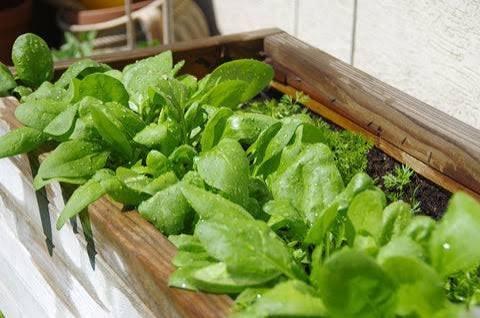
4. The Leafy Powerhouses: Spinach (Palak), Fenugreek (Methi), and Mustard Greens (Sarson)
If you want quick turnarounds and frequent harvests, leafy greens are your best bet. They are highly forgiving and can thrive even in partial shade.
- Sowing Method: Direct sowing in wide, shallow trays (6 to 8 inches deep).
- Harvesting Strategy: Use the “cut-and-come-again” method. Instead of pulling the entire plant out by the roots, snip off the outer leaves with scissors. The plant will continue to push out fresh growth from the center, giving you up to 4 to 5 fresh harvests throughout the winter season.
Sun Shifting: Maximizing Shorter, Milder Winter Days
As the calendar transitions from October into November and December, the angle of the sun changes dramatically across the Northern Hemisphere. The sun sinks lower on the horizon, shadows lengthen, and the actual duration of daylight shrinks significantly.
To keep your winter garden thriving, you must master Sun Shifting.
[October Sun: High & Strong] ---> Partial Shade for Young Saplings
[December Sun: Low, Mild & Short] ---> Maximize Every Drop of Full Direct Sunlight
1. Chase the Southern Exposure
During the North Indian winter, a South-facing balcony or terrace becomes premium real estate. It receives the longest, most consistent tracking of sunlight throughout the day. If your garden is spread across multiple ledges, move your heavy fruiting and heading vegetables (like Cauliflower, Broccoli, and Peas) to the brightest, southern-most spots.
2. Manage the Winter Fog (The December Gloom)
By late December and January, parts of North India experience heavy winter fog and smog blankets that can block out direct sunlight for days at a time.
- The Adjustment: Because photosynthesis slows down during cloudy or foggy spells, your plants will consume significantly less water. Drastically reduce your watering frequency during foggy weeks. Watering out of habit when the sun isn’t shining will leave your potting mix cold and soggy, inviting root rot and powdery mildew.
Seed-to-Plate: Your December Winter Salad Harvesting Timeline
To help you track your progress, here is a breakdown of what will be ready for your winter dining table by December if you get your seeds into the ground during October.
| Vegetable Variety | Optimal Pot Depth | Days to Sprout | First Harvest Window | Recipe Inspiration |
| Fenugreek (Methi) | 6 – 8 Inches | 3 – 5 Days | Mid-November (25-30 Days) | Aloo Methi / Methi Paratha |
| Spinach (Palak) | 6 – 8 Inches | 4 – 7 Days | Late November (40-45 Days) | Palak Paneer / Fresh Salads |
| Radish (Mooli) | 12 Inches | 3 – 5 Days | Early December (45-50 Days) | Mooli Paratha / Winter Salads |
| Green Peas (Matar) | 10 – 12 Inches | 5 – 7 Days | Mid-December (60-70 Days) | Matar Pulao / Aloo Matar |
| Beetroot (Chukandar) | 10 – 12 Inches | 6 – 9 Days | Late December (70-75 Days) | Roasted Beetroot Salads |
| Red Carrots (Gajar) | 12 – 14 Inches | 7 – 12 Days | Late December (75-85 Days) | Winter Gajar Halwa / Soups |
| Broccoli / Gobi | 12 Inches | 6 – 8 Days | Late Dec – Jan (85-100 Days) | Healthy Stir-Fries |
Simple Troubleshooting Tips for North Indian Winter Gardens
To keep your cool-weather crops in top shape, watch out for these common regional gardening issues:
- Watch out for Aphids on Gobi: The moment the weather cools down, tiny green or black soft-bodied insects called aphids love to cluster on the tender center leaves of cauliflower and mustard greens. Spray them immediately with a homemade Neem Oil solution (5ml organic neem oil + 2 drops of liquid dish soap in 1 liter of warm water) to clear them out before they multiply.
- Thin Out Your Seedlings: It can be hard to pull out healthy green sprouts, but if your carrots or radishes are growing too close together, they will choke each other out. Thin them so there is at least a 2-to-3-inch gap between each root plant.
- The Ultimate Watering Rule: Always water your winter garden in the early morning. This allows the water to soak in and any accidental splashes on the leaves to dry up during the day. Watering late in the evening leaves the soil cold and damp all night long, which is an open invitation for fungal diseases.
Sowing the best winter vegetables to grow in North India during the crisp October window is one of the most rewarding steps you can take as an urban grower. Get your potting mix loose, secure your containers, set your seeds, and get ready to enjoy a vibrant, healthy, and completely organic harvest straight from your balcony this winter!
See Also
15 Vegetables to Grow | How to Grow Winter Vegetables at Home
Monsoon Gardening Masterclass: What Vegetables to Plant in August in India