
As the heavy monsoon downpours finally begin to recede across most parts of the country, a beautiful transformation takes place. The air turns a little crisper, the intense summer-monsoon humidity begins to ease, and the soil is completely saturated with life-giving rainwater. For passionate gardeners and small-scale farmers alike, September is nothing short of a golden window. It is the ultimate transition period—the perfect bridge month where we bid goodbye to stubborn rainy-season gourds and welcome a glorious bounty of crisp winter greens and root crops.
If you have been looking at your patch of land or your balcony containers wondering how to kickstart your next growing cycle, you have come to the right place. Planning your autumn kitchen garden right now ensures a steady supply of fresh, pesticide-free, organic produce right when winter peaks.
In this ultimate guide, we will break down exactly what vegetables to plant in September in India, mapping out regional climate variations, soil recovery hacks after heavy rains, container choices, and a foolproof sowing calendar. Grab your gardening gloves, and let’s get digging!
The September Gardening Shift: Why It’s a Bridge Month After Monsoon
September is a unique transitional phase in the Indian subcontinent. The heavy, relentless rains of July and August have washed away the intense heat, leaving behind a landscape that is lush but often waterlogged. For a grower, this month represents a fresh slate.
The intense summer heat is gone, but the harsh, biting frost of peak winter is still months away. This mild climate creates the perfect ecosystem for seed germination. Many seeds that would simply rot in the violent downpours of July or shrivel up under the scorching May sun find the gentle September warmth and residual humidity absolutely ideal.
However, because it is a bridge month, timing is everything. Sowing too early while the soil is still muddy and sticky can drown your seeds, while waiting too long into late October might delay your harvests. By striking the right balance this month, you bridge the gap between our two major growing seasons beautifully.
North India vs South India Sowing Differences
India is a vast country with incredibly diverse microclimates. What works for a gardener in Punjab or Delhi might not apply to someone growing on a terrace in Bengaluru or Chennai. Before you tear open your seed packets, it is crucial to understand your local weather patterns.
                  ┌────────────────────────────────────────┐
                  │       SEPTEMBER REGIONAL CLIMATE       │
                  └────────────────────────────────────────┘
                                      │
             ┌────────────────────────┴────────────────────────┐
             ▼                                                 ▼
┌─────────────────────────┐                       ┌─────────────────────────┐
│       NORTH INDIA       │                       │       SOUTH INDIA       │
├─────────────────────────┤                       ├─────────────────────────┤
│ • Rains receding        │                       │ • Mild, warm climate    │
│ • Cooling night temps   │                       │ • Monsoon continues     │
│ • Perfect for winter    │                       │ • Focus on heat-tolerant│
│   root crops & greens   │                       │   & pest-resistant crops│
└─────────────────────────┘                       └─────────────────────────┘
North & Central India: Prepping for the Winter Chill
In the northern and central plains (including states like Uttar Pradesh, Haryana, Punjab, Rajasthan, and Madhya Pradesh), the monsoon makes a clear exit by mid-September. The daytime temperatures remain warm, but the night temperatures begin to drop noticeably. This rapid cooling creates the absolute best environment for starting European-style cool-season crops like broccoli, cabbage, radish, and peas.
South & Coastal India: Navigating the Continuing Showers
In South India (Karnataka, Tamil Nadu, Andhra Pradesh, Kerala) and coastal regions, the story is slightly different. The climate remains relatively mild and warm year-round. While the Southwest monsoon winds down, parts of the South also brace for the upcoming Northeast monsoon showers in October. Therefore, South Indian growers should focus on crops that can tolerate moderate warmth and light showers, such as brinjal, chillies, tomatoes, and sturdy leafy greens.
Best Vegetables to Sow in September
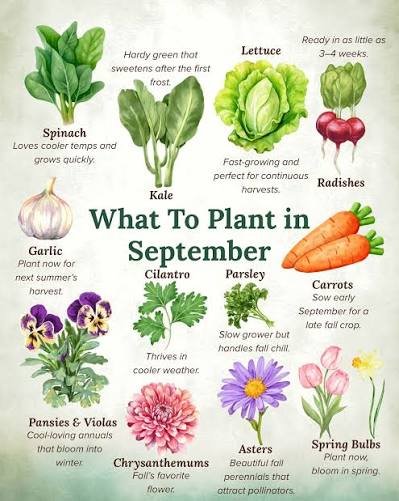
If you are wondering exactly what vegetables to plant in September in India, here is a curated list of top-performing varieties that thrive when sown during this post-monsoon window.
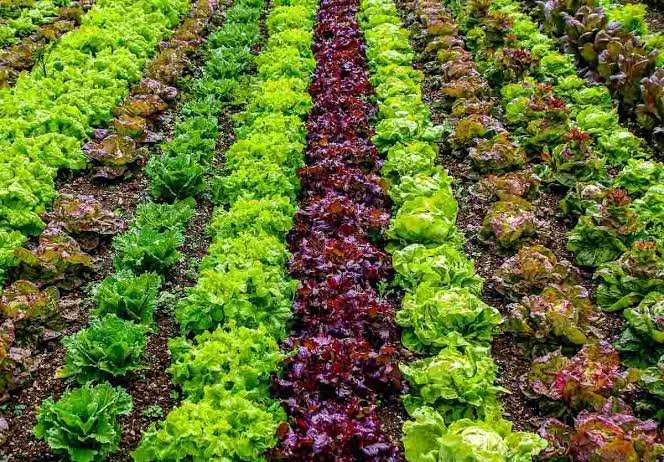
1. Leafy Greens: Spinach (Palak) & Coriander (Dhania)
No Indian kitchen garden is complete without these two staples.
- Spinach: Palak loves the mild September sun. The seeds germinate within 5 to 7 days, and you can start harvesting tender leaves in just under 4 to 5 weeks.
- Coriander: Sowing coriander in September gives fantastic results because the seeds don’t face the intense heat that causes them to bolt (flower prematurely). Crush your coriander seeds gently into two halves before sowing to speed up germination.
2. Crunchy Root Crops: Radish (Mooli) & Beetroot
- Radish: If you want quick gratification, Mooli is your best friend. Fast-growing white or red radish varieties love the loose, post-monsoon soil and are often ready to harvest within 40 days of sowing.
- Beetroot: Rich in iron and beautiful to look at, beetroot seeds can be sown directly into the ground or deep pots now. They thrive as the nights get cooler.
3. Cool-Season Favorites: Peas (Matar) & Cabbage
- Peas: Early varieties of green peas can be sown by mid-to-late September in North India. They require a light trellis or support stick to climb as they grow.
- Cabbage & Broccoli: September is the ideal time to sow cabbage, cauliflower, and broccoli seeds in seedling trays. Once they grow 4 to 5 true leaves, they will be perfectly ready for transplantation into their final spots by early October.
4. All-Season Performers: Brinjal (Baingan)
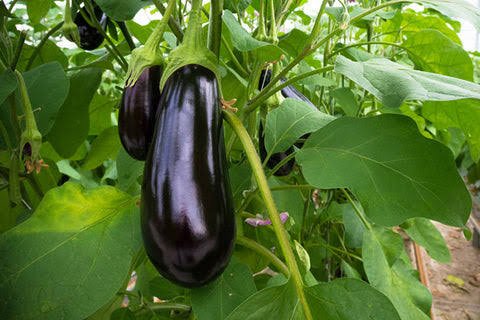
- Brinjal: September is an excellent month to start a fresh batch of eggplants. Whether you love the large round purple ones for baingan ka bharta or the small striped varieties, starting them from seed now ensures heavy fruiting throughout the winter months.
Best Vegetables for Balcony Pots
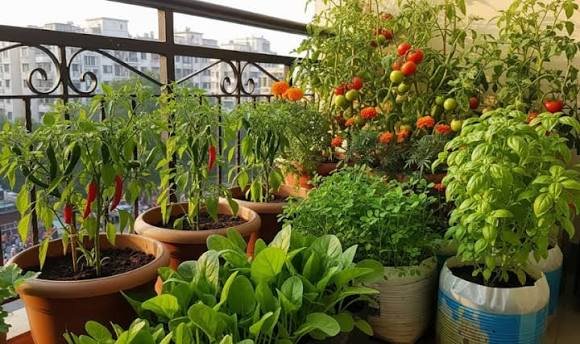
Don’t have a massive backyard or an open farmland? No worries! Urban container gardening is incredibly rewarding, and many autumn vegetables are perfectly suited for life on a sunny balcony or windowsill.
When growing in pots, choose containers that have excellent drainage holes so that lingering rains don’t drown the roots. Here are the top picks for your balcony:
- Cherry Tomatoes: They grow beautifully in 12-inch pots. Provide a sturdy stake or tomato cage, place them in the sunniest spot of your balcony, and watch them thrive.
- Green Chillies: A couple of chilli plants in 10-inch pots will keep your kitchen running all winter. They love the warm daytime sun of September.
- Fenugreek (Methi): Methi has shallow roots, making it absolutely perfect for wide, shallow plastic trays or recycled crates. You can harvest fresh microgreens or mature leaves in less than a month.
- Spring Onions: Plant small onion bulbs or sow seeds in a rectangular planter container. They require very little space and add a fresh crunch to your evening stir-fries.
Best Vegetables for Open Farms
For small homesteaders, community gardeners, or commercial farm businesses, September is a frantic, high-stakes prep month. If you have open ground beds with unrestricted root space and full day-long sun exposure, you should focus on high-yield, space-consuming crops.
- Carrots (Gajar): The famous long, sweet red Delhi carrots or classic orange varieties require deep, stones-free, loose soil to grow straight and long. Open farm beds are perfect for direct sowing.
- Cauliflower (Phool Gobhi): Commercial farmers sow cauliflower nurseries in early September to bring early-winter harvests to the local mandi, fetching great market prices.
- Potatoes (Aloo): By late September, as the soil fully dries out, planting potato tubers in long, hilled ridges is a classic and highly successful farming practice across North India.
- Bottle Gourd (Lauki) & Bitter Gourd (Karela): Late-season varieties can be trained up grand bamboo trellises on farms to yield heavy fruits before the deep winter freeze sets in.
Soil Preparation After Monsoon Rains
You cannot simply poke a hole in the ground and drop a seed right after the monsoons end. The heavy rains over July and August do two damaging things to soil: they compact the earth into a hard, clay-like crust, and they leach out vital nutrients down into the deep sub-layers.
To give your September seeds a fighting chance, you must invest some time into restoring your soil structure.
Post-Monsoon Soil Recovery Checklist:
1. Turn the soil up to 8-10 inches deep to break the compacted crust.
2. Let the sun bake the soil for 2-3 days (solarization) to kill hidden pests.
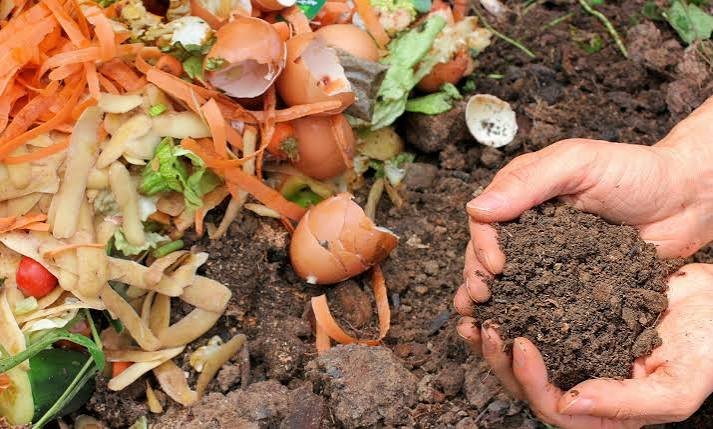
3. Mix in 30-40% well-rotted cow dung manure (Gobar ki Khaat) or Vermicompost.
4. Add a handful of Neem Cake powder to protect fragile root systems.
If you are planting in pots, do not reuse old, water-logged mud. Dump it out, let it dry completely in the sun, break up the lumps, and mix in fresh compost, coco peat, and river sand. For a detailed breakdown of the ultimate nutrient-rich potting medium, feel free to check out our comprehensive soil mix guide.
Fungal Disease and Pest Precautions
While September offers lovely weather, the combination of warm daytime temperatures and high residual soil moisture creates a paradise for pests and fungal spores. If you aren’t careful, your tender seedlings can fall victim to diseases overnight.
1. Damping-Off Disease
This is the ultimate nightmare for gardeners starting seeds in September. It’s caused by soil-borne fungi that thrive in warm, wet conditions. The stem of a perfectly healthy-looking baby seedling will suddenly turn mushy at the soil line, causing the plant to collapse and die.
- Prevention: Never overwater your seedling trays. Keep them in a well-ventilated area, and dust a tiny bit of organic wood ash or cinnamon powder on the soil surface to act as a natural antifungal shield.
2. Caterpillars and Aphids
As fresh, tender green leaves pop up across your garden, pests like aphids, whiteflies, and hungry caterpillars will arrive uninvited.
- Prevention: Spray your plants with an organic, homemade Neem oil solution (1 teaspoon of pure neem oil + a few drops of liquid dish soap mixed in 1 litre of warm water) once every 10 days as a preventative shield. Spray early in the morning or late in the evening to avoid leaf burn.
September Sowing Calendar Table
To make things incredibly simple for you, here is a quick-reference guide tracking the ideal sowing methods and sunlight requirements for popular September vegetables:
| Vegetable Name | Sowing Method | Microclimate/Sunlight | Days to First Harvest |
| Spinach (Palak) | Direct Sowing | Partial to Full Sun | 35–45 Days |
| Coriander (Dhania) | Direct Sowing | Partial Sun / Balcony | 40–50 Days |
| Radish (Mooli) | Direct Sowing (Deep Beds) | Full Sun | 40–45 Days |
| Beetroot | Direct Sowing | Full Sun | 60–70 Days |
| Green Peas | Direct Sowing (Requires Support) | Full Sun | 60–80 Days |
| Cabbage / Broccoli | Nursery Trays (Transplant) | Full Sun | 80–100 Days |
| Brinjal (Baingan) | Nursery Trays (Transplant) | Full Sun | 75–90 Days |
| Fenugreek (Methi) | Direct Sowing (Shallow Pots) | Partial Sun | 25–30 Days |
FAQs
Q1: Can tomatoes be planted in September?
Ans: Yes, absolutely! September is one of the best windows of the entire year to plant tomatoes across India. Starting your tomato seeds in nursery trays right now ensures that the young saplings can be safely transplanted into the ground or larger pots by early October. They will grow rapidly during the pleasant autumn months and yield an incredibly heavy harvest of juicy red tomatoes all through the winter season.
Q2: Can coriander grow in September?
Ans: Yes, coriander thrives exceptionally well when planted in September. During the intense summer and heavy rainy months, coriander seeds often rot or “bolt” (produce seeds prematurely instead of leaves) due to heat stress. The cooler evening temperatures of September encourage thick, lush, bushy leaf growth. Just make sure to sow them in well-draining soil and avoid overwatering.
Summary & What to Do Next
Transitioning your garden from the messy monsoon phase into a organized autumn paradise is one of the most rewarding projects you can take on this month. By choosing the right crops for your specific geographic region, amending your soil with plenty of organic matter, and keeping a sharp eye out for post-monsoon pests, your garden will be the envy of the neighborhood in no time.
If you are curious about what you might have missed or want to look ahead to plan the rest of your winter layout, don’t forget to bookmark our August monsoon vegetable guide and read up on our October winter gardening guide to keep your production line running smoothly all year round!
Happy gardening! What are you planning to plant in your kitchen garden or farm this September? Let us know in the comments below, and let’s grow together! what vegetables to plant in September in India
See Also
Vegetables To Grow In SEPTEMBER !
Monsoon Gardening Masterclass: What Vegetables to Plant in August in India