
Introduction: Why November Is a Great Month for Indian Vegetable Gardening
If you are wondering what to plant in November in India, the good news is this: November is one of the safest and most beginner-friendly months for vegetable gardening in many Indian cities.
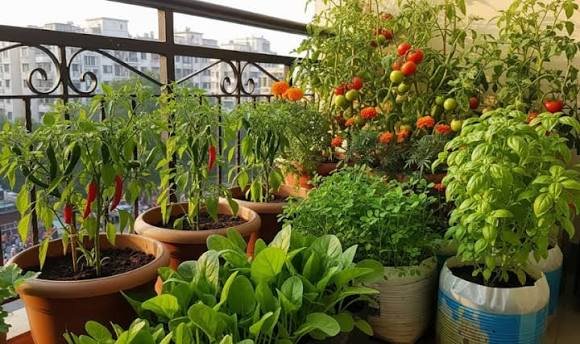
The harsh monsoon humidity has reduced. The summer heat has settled down. The air is cooler, the soil stays moist for longer, and many winter vegetables finally start behaving nicely. This is the month when balcony and terrace gardeners can grow leafy greens, root vegetables, herbs, peas, tomatoes, capsicum and other cool-season favourites without fighting extreme weather every day.
For Indian home gardeners, November is like a fresh start. Whether you live in Delhi, Chandigarh, Jaipur, Lucknow, Bhopal, Pune, Bengaluru, Hyderabad, Chennai or Kolkata, this is a good time to plan a small winter kitchen garden.
Of course, India is not one climate zone. North India becomes genuinely cold in November, while many South Indian cities remain pleasantly warm. Hill regions may already be too cold for some seedlings, and coastal cities may still feel humid. So the answer to what to plant in November in India depends on your city, sunlight, container size and watering routine.
This guide is written especially for balcony and terrace gardeners who want a practical winter vegetable calendar, not complicated farming advice.
Quick Answer: What to Plant in November in India
The best vegetables to plant in November in India are palak, methi, bathua, coriander, lettuce, carrot, radish, beetroot, turnip, peas, tomato, capsicum, cabbage, cauliflower, broccoli and spring onion.
For beginners, start with easy crops like coriander, methi, palak, radish and peas. These grow well in pots and do not need a very large terrace. If you have bigger containers and good sunlight, you can also grow tomato, capsicum, carrot, beetroot and cauliflower.
If someone asks what to plant in November in India for a small balcony, the safest answer is: leafy greens first, root crops next, and fruiting vegetables only if you get enough sunlight.
Why November Is the Safest Winter Sowing Month in Many Indian Cities
November works beautifully for vegetable gardening because it gives plants a cool but not freezing start. Seeds germinate better than they do in peak winter. Young plants do not suffer as much from heat stress. Water does not evaporate as quickly as it does in summer.
In North India, November is ideal because the weather is cool enough for winter vegetables but usually not too cold for germination. In cities like Delhi, Noida, Gurugram, Chandigarh, Jaipur and Lucknow, November is a practical month to sow leafy greens, carrots, radishes, turnips, peas and coriander.
In South India, November is also useful, but the approach changes slightly. Cities like Bengaluru, Hyderabad and Pune are excellent for winter vegetables. Chennai and other coastal cities may still be warmer, so you may need to choose heat-tolerant varieties and protect seedlings from strong afternoon sun.
So when you think about what to plant in November in India, do not copy blindly from one region. Adjust for your climate.
Best Leafy Greens to Plant in November
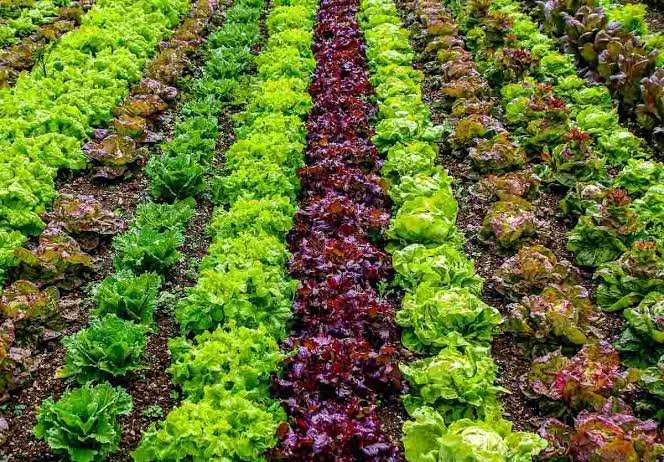
Leafy greens are the easiest choice for November gardening. They grow quickly, need less space, and are perfect for balcony containers.
Palak: The Beginner’s Favourite Winter Green
Palak, or spinach, is one of the best answers to what to plant in November in India. It grows well in shallow containers, does not need too much space, and can be harvested multiple times.
Use a wide pot or grow bag that is at least 6–8 inches deep. Sprinkle seeds lightly, cover with a thin layer of soil, and water gently. Keep the soil moist but not soggy.
Palak needs 3–5 hours of sunlight. If your balcony gets morning sun, that is usually enough. You can start cutting tender leaves in about 4–6 weeks.
Methi: Fast, Easy and Perfect for Small Pots
Methi is perfect for impatient gardeners. It grows fast and can be harvested young as microgreens or allowed to grow into leafy methi.
For a small balcony, methi is one of the easiest crops. You can grow it in trays, old containers, shallow pots or rectangular planters. It does not demand deep soil.
If you are new to gardening and confused about what to plant in November in India, start with methi. It gives quick success and keeps you motivated.
Bathua: A Traditional Winter Green
Bathua is a classic winter green in many North Indian homes. It is used in saag, parathas, raita and mixed greens. It grows well in cool weather and is a good choice for November planting in North India.
Bathua prefers a wide container and regular watering. It may not be as commonly grown in urban balconies as palak and methi, but if you like traditional winter food, it is worth trying.
Coriander: The Most Useful Kitchen Herb
Coriander is not just a garnish in Indian cooking. It is used in chutneys, sabzis, dals, parathas, poha, upma and almost everything else.
November is a good month to grow coriander because the cooler weather helps it last longer. In hot months, coriander bolts quickly, meaning it starts flowering before giving enough leaves. In November, it usually grows better.
Crush coriander seeds lightly before sowing. Sow them in a wide container, cover lightly with soil, and water gently. Keep the container in bright light.
Lettuce: Great for Salads and Sandwiches
If your family likes salads, sandwiches and wraps, lettuce is a good November crop. It prefers cool weather and does well in containers.
Grow lettuce in 6–8 inch deep pots. Keep it in morning sun and protect it from harsh afternoon heat in warmer cities. Loose-leaf lettuce is easier than head lettuce for beginners.
Best Root Crops to Plant in November
Root vegetables need loose soil and proper depth. They are not difficult, but they need the right container.
Carrot: Best for Deep Grow Bags
Carrots grow well in November, especially in North and central India. But they need loose, stone-free soil. If the soil is hard or compacted, carrots become twisted and short.
Use a grow bag or deep container at least 10–12 inches deep. Choose shorter carrot varieties if you are growing in pots. Do not add too much fresh manure because it can cause forked roots.
Carrot is a good choice if you are planning what to plant in November in India for a terrace garden with deeper containers.
Radish: Fast-Growing and Beginner-Friendly
Radish is one of the easiest root vegetables for November. It grows quickly and works well in containers if you give it enough depth.
Use a 10–12 inch deep pot. Sow seeds directly where you want them to grow. Do not transplant radish seedlings because root crops do not like disturbance.
You can harvest small radishes early or wait for full-size roots. Radish leaves are also edible and useful in parathas and sabzis.
Beetroot: Colourful and Useful
Beetroot is a good November vegetable for balconies and terraces. It needs a medium-depth container and consistent watering.
Use pots that are at least 10 inches deep. Sow seeds directly and thin the seedlings so each plant gets space. Beetroot leaves can also be used in cooking.
Turnip: Great for Cool-Weather Gardens
Turnip grows well in cool weather and is a good winter crop for North India. It needs loose soil and moderate sunlight.
Like radish and carrot, turnip should be sown directly. Avoid transplanting. Use a deep container and keep the soil evenly moist.
Best Fruiting Vegetables to Plant in November
Fruiting vegetables need more sunlight and bigger containers than leafy greens. If your balcony receives only 2–3 hours of sun, stick to leafy vegetables. If you get 5–6 hours or more, try tomatoes, capsicum and peas.
Tomato: Good for Sunny Balconies and Terraces
Tomatoes can be planted in November in many Indian cities, especially where the weather is mild. Use seedlings instead of seeds if you want faster results.
Tomatoes need sunlight, staking and regular feeding. Use a 12–15 inch deep container for each plant. Add compost and keep the plant supported with a stick or cage.
Cherry tomatoes are easier for beginners because they perform well in pots.
Capsicum: Slow but Worth It
Capsicum needs patience. It grows slower than leafy greens, but it is satisfying when it starts fruiting.
Use a 12-inch pot for each plant. Capsicum needs good sunlight, rich potting mix and regular watering. Do not overwater because roots may rot.
In warmer South Indian cities, capsicum may do well if protected from harsh afternoon sun.
Peas: A Lovely November Crop
Peas are among the best crops to plant in November in India. They grow beautifully in cool weather and are fun for children too.
Sow peas directly in a pot or grow bag. They need support, so add sticks, strings or a small trellis. A rectangular grow bag works well.
Peas need sunlight and regular watering. Avoid waterlogging. Once the plant starts climbing, it becomes a beautiful winter balcony plant.
What to Plant in North India in November
If you live in Delhi NCR, Punjab, Haryana, Uttar Pradesh, Rajasthan, Himachal foothills or similar regions, November is prime winter gardening time.
Good crops for North India in November include:
Palak
Methi
Bathua
Coriander
Lettuce
Carrot
Radish
Beetroot
Turnip
Peas
Cabbage
Cauliflower
Broccoli
Spring onion
Garlic greens
Tomato seedlings
North India gets colder by December and January, so November is the right time to get seeds and seedlings started. If you delay too much, germination may become slower.
For North Indian balconies, leafy greens, peas and radish are the easiest wins.
What to Plant in South India in November
South India has more variation. Bengaluru and Hyderabad are very different from Chennai, Kochi or coastal Karnataka.
In Bengaluru, Hyderabad and Pune-like climates, you can grow many winter vegetables in November:
Palak
Methi
Coriander
Lettuce
Tomato
Capsicum
Peas
Radish
Beetroot
Carrot
Beans
Spring onion
Cabbage
Cauliflower
In Chennai and warmer coastal cities, choose crops more carefully. Leafy greens, coriander, tomato, brinjal, chilli, beans and some radish varieties may do better than very cold-loving crops.
If you are asking what to plant in November in India from a South Indian city, check your local temperature first. If afternoons are still very hot, give seedlings partial shade.
Container Size Chart for November Vegetables
Choosing the wrong pot is one of the biggest reasons plants fail. Here is a simple container guide.
| Vegetable | Minimum Container Depth | Best Container Type |
|---|---|---|
| Methi | 4–6 inches | Tray or shallow pot |
| Coriander | 6 inches | Wide pot or tray |
| Palak | 6–8 inches | Wide pot or grow bag |
| Lettuce | 6–8 inches | Shallow wide container |
| Bathua | 8 inches | Wide pot |
| Radish | 10–12 inches | Deep pot or grow bag |
| Carrot | 10–12 inches | Deep grow bag |
| Beetroot | 10 inches | Medium pot |
| Turnip | 10–12 inches | Deep pot |
| Peas | 10–12 inches | Grow bag with support |
| Tomato | 12–15 inches | Deep pot with stake |
| Capsicum | 12 inches | Individual pot |
| Cabbage | 12 inches | One plant per pot |
| Cauliflower | 12–15 inches | One plant per pot |
For balcony gardening, wide containers are better for leafy greens. Deep containers are better for roots and fruiting vegetables.
Soil Mix for November Balcony Gardening
A good potting mix is more important than expensive seeds. For most November vegetables, use a light, well-draining mix.
A simple mix can include garden soil, compost and cocopeat. The soil should hold moisture but not become muddy. If water stands on top for too long, roots may suffer.
For root vegetables like carrot, radish and beetroot, remove stones, hard lumps and woody pieces. Loose soil helps roots grow straight.
For tomatoes and capsicum, add compost and a little extra nutrition because fruiting plants need more food than leafy greens.
Watering Tips for November Gardens
November weather is cooler, so plants do not need as much water as in peak summer. But seedlings still need consistent moisture.
Water gently after sowing seeds. Do not pour water forcefully because small seeds can wash away. Use a spray bottle or watering can with a rose head.
Check soil before watering. If the top inch feels dry, water. If it still feels moist, wait.
Overwatering is a common November mistake because gardeners assume young plants need daily heavy watering. They do not. Moist soil is good. Soggy soil is not.
Sunlight Rules for November Vegetables
Most vegetables need sunlight, but the amount varies.
Leafy greens like palak, methi, coriander and lettuce can grow with 3–5 hours of sunlight. Root crops like carrot and radish prefer 4–6 hours. Fruiting vegetables like tomato, capsicum and peas need 5–6 hours or more.
If your balcony gets only bright indirect light, grow methi, coriander, lettuce and microgreens. If your terrace gets full sun, try tomatoes, peas, carrots and capsicum.
Common Beginner Mistakes in November Gardening
Mistake 1: Planting Too Many Seeds in One Pot
Beginners often sprinkle too many seeds because they want a full container. But overcrowding leads to weak plants. Thin seedlings after germination so each plant gets space.
Mistake 2: Using Very Small Containers
A tiny pot may work for methi, but it will not work for tomato, carrot or peas. Match the crop to the container size.
Mistake 3: Overwatering
Cooler weather means water stays longer in soil. Too much water can cause root rot, fungus and weak seedlings.
Mistake 4: No Sunlight Planning
Before sowing, observe your balcony for one day. Count how many hours of sunlight it actually gets. Do not guess.
Mistake 5: Transplanting Root Crops
Carrot, radish, beetroot and turnip should be sown directly. Transplanting damages the root and affects shape.
Mistake 6: Ignoring Local Climate
North India and South India are different. Hill towns, coastal cities and dry plains also behave differently. Always adjust your November planting calendar to your city.
Mistake 7: Expecting Instant Harvest
Methi grows fast. Coriander takes longer. Carrots and beetroot need patience. Tomatoes and capsicum take even longer. Every plant has its own timeline.
November Planting Checklist
Use this quick checklist before you start.
Choose your vegetables based on sunlight.
Buy seeds or healthy seedlings.
Select the right container size.
Prepare loose, well-draining potting mix.
Sow leafy greens and root crops directly.
Use seedlings for tomato and capsicum if possible.
Add trellis support for peas.
Water gently after sowing.
Label each pot with crop name and date.
Thin overcrowded seedlings.
Protect young plants from birds and pests.
Check moisture before watering again.
Harvest leafy greens regularly for fresh growth.
Easy November Garden Plan for Beginners
If you are a complete beginner, do not plant everything at once. Start small.
For a small balcony, grow:
1 tray methi
1 pot coriander
1 pot palak
1 deep pot radish
1 grow bag peas
For a medium balcony, grow:
2 pots palak
1 tray methi
1 pot coriander
1 grow bag carrot
1 grow bag radish
1 tomato plant
1 pea container
For a terrace garden, grow:
Palak
Methi
Coriander
Lettuce
Carrot
Radish
Beetroot
Peas
Tomato
Capsicum
Cabbage
Cauliflower
This way, your garden gives you quick harvests as well as longer-term crops.
FAQs on What to Plant in November in India
1. What to plant in November in India for beginners?
Beginners should plant methi, coriander, palak, radish and peas in November. These are easy, useful and suitable for balcony gardening.
2. Can I grow tomatoes in November in India?
Yes, tomatoes can be grown in November in many Indian cities, especially if the weather is mild and the plant gets at least 5–6 hours of sunlight.
3. Which leafy vegetables grow best in November?
Palak, methi, coriander, bathua and lettuce are excellent leafy vegetables for November planting in India.
4. Can I grow carrots in pots in November?
Yes, carrots can grow in pots if the container is at least 10–12 inches deep and the soil is loose, light and free from stones.
5. What to plant in November in India on a balcony?
For balconies, plant coriander, methi, palak, lettuce, radish, beetroot, peas and cherry tomatoes if you have enough sunlight.
6. What vegetables grow fast in November?
Methi, radish, palak and lettuce grow relatively fast. Methi can be harvested early, while radish gives quick results compared to many other root crops.
7. Is November good for terrace gardening in India?
Yes, November is one of the best months for terrace gardening in India because the weather is cooler and many winter vegetables grow well.
8. What should I plant in North India in November?
In North India, plant palak, methi, bathua, coriander, carrot, radish, beetroot, turnip, peas, cabbage, cauliflower and broccoli.
9. What should I plant in South India in November?
In South India, plant palak, methi, coriander, tomato, capsicum, radish, beetroot, lettuce and peas in suitable climates. In warmer coastal areas, protect seedlings from strong afternoon heat.
10. How much sunlight do November vegetables need?
Leafy greens need around 3–5 hours of sunlight, while tomatoes, capsicum and peas need around 5–6 hours or more for good growth.
Conclusion: Start Small and Let Your Winter Garden Grow
If you are confused about what to plant in November in India, do not overthink it. Start with easy crops like methi, coriander, palak, radish and peas. These are useful in the kitchen, beginner-friendly and suitable for balcony or terrace gardens.
Once you gain confidence, add carrots, beetroot, turnip, lettuce, tomato and capsicum. If you have a sunny terrace, you can even try cabbage, cauliflower and broccoli.
November is a beautiful month for Indian gardening because it gives you the best of both worlds: cool weather without the harshest winter. Use the right container, prepare good soil, water carefully and choose crops according to your city.
Your winter kitchen garden does not have to be perfect. Even one pot of fresh coriander or methi can make your meals feel special.
See Also
9 Best Plants for Small Balcony or Terrace
13 Vegetables for November | Indian climate ke liye November ki 13 best veggies
What Vegetables to Plant in September in India: Post-Monsoon Kitchen Garden Guide
The North Indian Winter Gardening Guide: What to Sow in October
Monsoon Gardening Masterclass: What Vegetables to Plant in August in India