
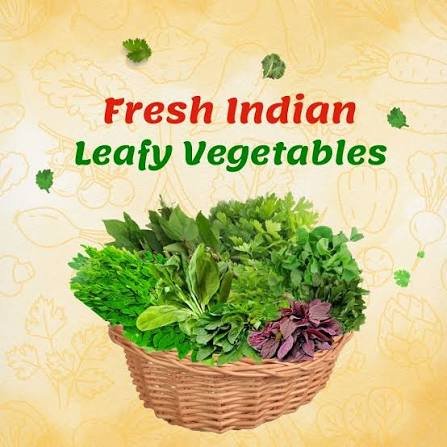
If you grew up in an Indian household, chances are your kitchen was filled with distinct seasonal aromas—the soothing simmer of Bathua dal in deep winter, the tangy kick of Gongura chutneys in the south, or delicate Methi parathas fresh off the tawa. Long before hybrid salad leaves hit modern supermarket shelves, our kitchens relied on a rich variety of native Indian leafy vegetables list – traditional Indian leafy greens.
Across India’s diverse ecological belts, indigenous leafy vegetables India has cherished for generations have provided essential nutrition, distinct flavors, and natural resilience against local climate conditions. Unfortunately, many of these regional saag varieties have become forgotten Indian greens, overshadowed by commercial produce.
Reclaiming these native greens isn’t just a nod to heritage—it’s also a practical way to build a robust, climate-resilient organic home garden.
1. What is an Indigenous Leafy Vegetable?
An indigenous or native leafy vegetable is a plant species that either originated within the Indian subcontinent or has adapted to local ecosystems over centuries through traditional cultivation and naturalization. Unlike modern hybrid spinach or imported greens, these plants thrive in local soils, resist native pests, and adapt effortlessly to local weather cycles.
Many of these greens are gathered directly from wild forests, uncultivated farm edges, or traditional home gardens (bari or thota). They require minimal fertilizer, demand less water, and carry deep-rooted culinary and cultural history across various Indian states.
2. Native Greens Reference Table
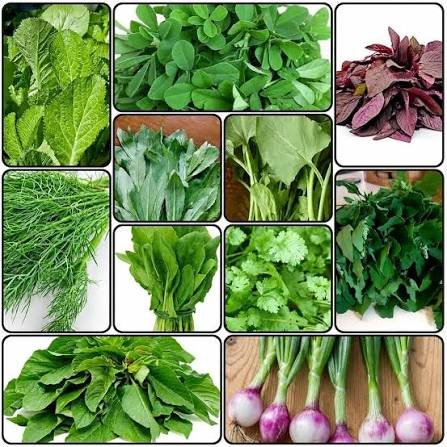
This featured reference guide outlines essential growth habits and identification markers for traditional greens across India.
| Common Name | Regional Names | Botanical Name | Main Growing Season | Preferred Climate | Days to First Harvest | Suitable for Pots? | Edible Plant Part |
| Bathua | Bathua bhaji (Hi), Vastuk (Bn), Paruppu Keerai (Ta) | Chenopodium album | Winter (Rabi) | Cool, temperate | 30–40 days | Yes (8+ inches deep) | Tender leaves, shoots |
| Chaulai | Rajgira (Hi), Lal Saag (Bn), Thotakura (Te), Harive (Kn) | Amaranthus cruentus / viridis | Summer & Monsoon | Warm, tropical | 25–35 days | Yes (8–10 inches deep) | Leaves, tender stems |
| Poi / Basale | Basale Soppu (Kn), Malabar Spinach (En), Basale (Te) | Basella alba / rubra | Monsoon & Summer | Humid, warm | 45–60 days | Yes (12+ inches deep) | Tender leaves, vining shoots |
| Gongura | Pitwaa (Hi), Ambadi (Mr), Pulicha Keerai (Ta), Sorrel (En) | Hibiscus sabdariffa | Monsoon | Warm, sunny | 45–50 days | Yes (10–12 inches deep) | Fleshy leaves, calyces |
| Kulfa | Luni bhaji (Hi), Ghol (Mr), Gangavalli (Te), Purslane (En) | Portulaca oleracea | Summer | Dry, sunny, arid | 25–30 days | Yes (shallow, 6 inches) | Succulent leaves, stems |
| Sarson | Mustard greens (En), Kadugu Keerai (Ta), Rai Saag (Bn) | Brassica juncea | Winter (Rabi) | Cool, mild sun | 35–45 days | Yes (8–10 inches deep) | Young leaves |
| Moringa | Drumstick leaves (En), Soanjhna (Hi), Murungai (Ta) | Moringa oleifera | Year-round | Warm, tropical, dry | 60+ days (from sapling) | Yes (15+ inch large container) | Leaflets, tender shoots |
| Colocasia | Arbi ke patte (Hi), Kochu pata (Bn), Alu (Mr), Chembu (Ml) | Colocasia esculenta | Monsoon | Humid, warm, shady | 60–90 days | Yes (12–14 inches deep) | Young, unopened leaves |
| Methi | Fenugreek (En), Vendhaya Keerai (Ta), Menthya Soppu (Kn) | Trigonella foenum-graecum | Winter | Cool, dry | 20–30 days | Yes (6–8 inches deep) | Tender leaves, stems |
| Kassod / Suva | Shepu (Mr), Dill leaves (En), Soya saag (Hi), Satakuppi (Ta) | Anethum graveolens | Winter | Mild cool | 35–45 days | Yes (8 inches deep) | Feathery leaves |
| Brahmi | Ondelaga (Kn), Vallarai (Ta), Water Hyssop (En) | Bacopa monnieri | Year-round | Moist, marshy, humid | 40–50 days | Yes (shallow, wide pots) | Leaves, creeping stems |
| Chakramardha | Tagarai (Ta), Pawad (Hi), Ringworm plant (En) | Senna tora | Early Monsoon | Warm, humid | 30–40 days | Yes (10 inches deep) | Very tender young shoots |
| Kangee / Water Spinach | Kalmi Saag (Bn), Kangkong (En), Tutu Kura (Te) | Ipomoea aquatica | Monsoon & Summer | Wet, tropical | 30–40 days | Yes (10+ inches, wet soil) | Stems, leaf tips |
| Agathi | Hathikani (Hi), Agathi Keerai (Ta), Avisa (Te) | Sesbania grandiflora | Year-round | Warm, humid | 60+ days | Yes (15+ inch large pot) | Tender leaves |
| Chuka | Khatta Saag (Hi), Ambada (Te), Green Sorrel (En) | Rumex vesicarius | Winter | Mild cool | 30–35 days | Yes (8 inches deep) | Fleshy, sour leaves |
3. Bathua (Chenopodium album)
Cultural History
Bathua is one of North India’s most cherished winter staples. Naturally growing as a leafy wild weed across wheat fields, it has been integrated into regional winter diets for generations.
Growth Characteristics & Cultivation
- Climate & Soil: Prefers cool winter weather and well-drained, sandy-loam soil rich in organic matter.
- Sowing: Broadcast seeds lightly on moist soil during late autumn or early winter.
- Harvesting: Snip tender top leaves every few weeks to encourage bushy, lateral branching.
4. Chaulai or Amaranth Greens (Amaranthus spp.)
Cultural History
Available in vibrant green and deep magenta variants, Amaranth (Chaulai) is cultivated right across coastal, southern, and central India. Known as Thotakura in Andhra Pradesh and Harive in Karnataka, it is deeply embedded in regional stir-fries and lentils.
Growth Characteristics & Cultivation
- Climate & Soil: Thrives in full sunlight and warm summer/monsoon temperatures.
- Sowing: Sow seeds shallowly, about 0.5 cm deep, keeping the soil moist until germination.
- Harvesting: Ready for microgreen harvest within 15 days, or full leafy harvest at 30 days.
5. Poi, Basale or Malabar Spinach (Basella alba / rubra)
               [ Trellis or Support Structure ]
                             |
                   /-------------------\
                  |  (Vining Shoots)    |
                  |   Thick leaves &    |
                  |   climbing stem     |
                   \-------------------/
                             |
                     [ Container/Soil ]
                     (12+ inches deep)
Cultural History
Poi Saag (or Basale Soppu) is a heat-loving vine with thick, fleshy succulent leaves. Popular in coastal Karnataka, Goa, Bengal, and Odisha, it brings a rich texture to seafood curries, dal preparations, and fritters.
Growth Characteristics & Cultivation
- Climate & Soil: Requires high humidity and warm temperatures. Needs a sturdy trellis or railing for vertical support.
- Sowing: Soak hard seeds overnight in warm water before planting to encourage faster germination.
- Harvesting: Snip off 6–8 inch vine tips regularly to stimulate dense side shoots.
6. Gongura (Hibiscus sabdariffa)
Cultural History
Synonymous with Andhra and Telangana cuisine, Gongura (Roselle leaves) delivers a signature tart, tangy flavor. It is prized for its long shelf-life when made into Gongura Pachadi or cooked alongside rustic pulses.
Growth Characteristics & Cultivation
- Climate & Soil: Thrives in sunny, warm locations with well-draining soil. Highly drought-tolerant once established.
- Sowing: Sow directly into garden beds or containers during the early monsoon months.
- Harvesting: Pluck individual medium-sized leaves or snip branch tips before flower buds form.
7. Kulfa or Purslane (Portulaca oleracea)
Cultural History
Often dismissed as an invasive weed in urban gardens, Kulfa (Purslane) is a resilient succulent leafy green enjoyed across Maharashtra, Rajasthan, and Uttar Pradesh. It carries a pleasant, mild sourness and a crisp bite.
Growth Characteristics & Cultivation
- Climate & Soil: Exceptionally hardy; prospers even in poor, dry soils and full summer heat.
- Sowing: Scatter seeds across wide, shallow containers and water lightly.
- Harvesting: Trim succulent stems and leaves close to the base, leaving an inch for regeneration.
8. Sarson or Mustard Greens (Brassica juncea)
Cultural History
No winter season in Northern India is complete without Sarson ka Saag. These pungent, slightly bitter leaves have fed farming communities across Punjab, Haryana, and Uttar Pradesh for generations.
Growth Characteristics & Cultivation
- Climate & Soil: Requires cool autumn and winter temperatures to develop crisp, flavorful leaves without bolting prematurely.
- Sowing: Sow seeds 1 cm deep in rows spaced 8–10 inches apart.
- Harvesting: Pick young, tender lower leaves, allowing the main stem to keep producing new growth.
9. Moringa Leaves (Moringa oleifera)
Cultural History
Moringa oleifera is native to the sub-Himalayan tracts of India. While global markets celebrate it as a modern “superfood,” South Indian homes have harvested Murungai Keerai from backyard trees for centuries to make savory lentil soups and dry stir-fries.
Growth Characteristics & Cultivation
- Climate & Soil: Extremely drought-resistant; thrives in warm climates and well-drained soil.
- Sowing: Plant fresh seeds directly or propagate from hardwood cuttings.
- Harvesting: Strip soft, small leaflets from mature leaf branches as needed.
10. Colocasia Leaves (Colocasia esculenta)
Cultural History
Broad, heart-shaped Colocasia leaves (Arbi ke patte) feature prominently in coastal and eastern Indian cooking—from Gujarati Patra and Maharashtrian Alu Vadi to Bengali Kochu Pata Shorshe.
Growth Characteristics & Cultivation
- Climate & Soil: Requires rich, moisture-retentive soil, warm weather, and partial shade.
- Sowing: Plant corms (tubers) 2–3 inches deep in wide pots or damp soil beds.
- Harvesting: Cut fully expanded, bright green leaves near the stem base using sharp shears.
11. Fenugreek and Regional Landraces (Trigonella foenum-graecum)
Cultural History
Fenugreek (Methi) is an essential winter leafy green across India. Alongside common Methi, small-leaved regional landraces—such as Kasuri Methi (from Rajasthan) and Champa Methi—are grown for their deep aromatic qualities.
Growth Characteristics & Cultivation
- Climate & Soil: Prefers mild cool conditions and loose, well-draining soil.
- Sowing: Soak seeds for 6 hours, then broadcast them evenly across pot surfaces.
- Harvesting: Harvest tender shoots within 20–25 days for maximum aroma and delicate leaf texture.
12. Lesser-Known Forest and Tribal Greens
Across tribal regions in Central and Eastern India (such as Jharkhand, Odisha, and Chhattisgarh), wild foraging offers a diverse native Indian leafy vegetables list that supports regional ecosystems.
       +-------------------------------------------------------+
       |         TRADITIONAL FORAGED FOREST GREENS             |
       +-------------------------------------------------------+
              |                    |                    |
              v                    v                    v
       [ Chakramardha ]      [ Kalmi Saag ]        [ Agathi ]
       (Senna tora)          (Ipomoea aquatica)    (Sesbania grandiflora)
       Rainy-season wild     Water spinach grown    Tree green rich in
       monsoon green.        in marshy edges.       rustic flavor.
- Chakramardha / Tagarai (Senna tora): Sprouts profusely during early monsoon rains in rural pathways. Young shoots are harvested before flowering to prepare earthy side dishes.
- Kalmi Saag / Water Spinach (Ipomoea aquatica): Thrives naturally along ponds and paddy field margins in Eastern India, producing hollow, crunchy stems.
- Agathi Keerai (Sesbania grandiflora): A fast-growing leguminous tree with soft, slightly bitter leaves that are traditionally cooked with fresh grated coconut.
13. Five Easiest Native Greens for Containers
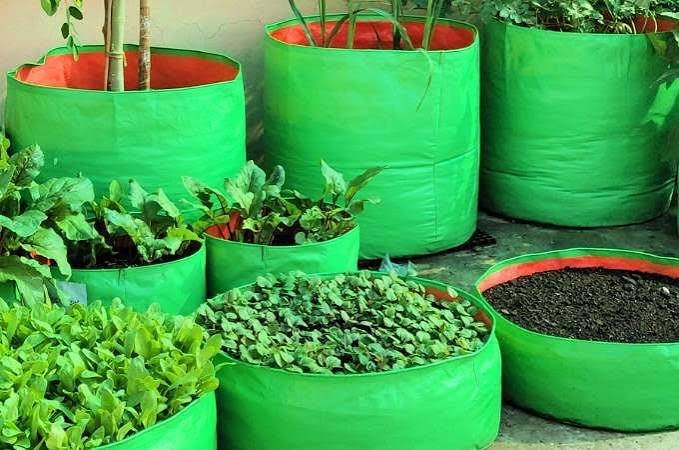
Urban gardeners can easily cultivate these traditional Indian leafy greens in modest balcony containers or grow bags:
- Methi (Fenugreek): Needs only a shallow 6-inch pot and reaches first harvest within 3 weeks.
- Kulfa (Purslane): Virtually unkillable; thrives in shallow, sunny balcony pots with minimal water.
- Chaulai (Amaranth): Grows rapidly in standard 8-inch containers through hot summer and monsoon months.
- Bathua: A reliable winter pick that requires minimal attention in modest pots.
- Poi / Basale Spinach: Grows vertically along balcony railings, producing high leaf yields in small footprints.
14. Seasonal Sowing Guide
To ensure a continuous harvest of fresh greens throughout the year, align your planting schedule with local weather cycles:
+-------------------------------------------------------------------+
|                     SEASONAL SOWING CALENDAR                      |
+-------------------------------------------------------------------+
| SUMMER (March - June)   | Chaulai, Kulfa, Poi (Basale), Moringa  |
+-------------------------+-----------------------------------------+
| MONSOON (July - Oct)    | Gongura, Colocasia, Kalmi Saag, Poi     |
+-------------------------+-----------------------------------------+
| WINTER (Nov - Feb)      | Bathua, Sarson, Methi, Suva, Chuka Saag |
+-------------------------+-----------------------------------------+
15. Seed Sourcing and Seed Saving
Preserving indigenous leafy vegetables India relies on maintaining open-pollinated (heirloom) seed lines rather than modern F1 hybrid varieties.
How to Save Your Own Seeds
- Select Healthy Parent Plants: Allow 2 or 3 vigorous plants from your patch to mature fully without harvesting their leaves.
- Let Plants Flower & Pod: Allow the plant to complete its full lifecycle—from flowering to developing dry seed pods or seed heads.
- Harvest & Dry: Collect dry seed heads on a clear afternoon. Thresh them gently inside a paper bag to separate seeds from chaff.
- Store Correctly: Place dry seeds in airtight glass jars alongside a tiny desiccant pouch or a dry wood-ash packet, and keep them in a cool, dark location.
16. Preserving Regional Names and Cultivation Knowledge
Traditional plant names preserve valuable regional heritage and ecological wisdom. A single plant like Hibiscus sabdariffa is recognized as Gongura in Andhra Pradesh, Ambadi in Maharashtra, Pulicha Keerai in Tamil Nadu, and Pitwaa in Hindi-speaking belts.
Documenting these regional names helps preserve culinary traditions and keeps ancestral gardening knowledge accessible for future generations.
17. Safety and Correct Preparation Notes
While wild and native greens offer rich flavors, safe harvesting and proper culinary preparation are essential:
- Colocasia (Arbi ke patte): Never consume raw. Raw colocasia leaves contain microscopic calcium oxalate crystals (raphides) that cause intense throat irritation. Always boil, steam, or cook leaves thoroughly with sour ingredients—such as tamarind, dried mango powder (amchur), or lemon juice—to neutralize the oxalates.
- Wild Foraging Precautions: Collect wild greens only from clean zones away from busy highways or polluted runoff water. Ensure accurate identification before consuming any wild plant.
18. Frequently Asked Questions
Which native Indian leafy vegetable is best for container gardening?
Methi (Fenugreek) and Kulfa (Purslane) are the easiest greens for containers. They require minimal soil depth (6 inches) and offer fast harvest turnarounds within 20–30 days.
Are native greens easier to grow than imported spinach or lettuce?
Yes. Native Indian greens are naturally adapted to local temperatures, humidity levels, and soil types. As a result, they require fewer chemical interventions, demand less water, and demonstrate stronger pest resistance.
How do I prevent pests on native leafy greens organically?
Maintain good air circulation between plants and avoid overwatering. Use mild neem oil sprays (5 ml neem oil mixed in 1 liter of water with a few drops of liquid soap) every fortnight as a preventive measure.
Join the Native Greens Movement
Cultivating indigenous leafy vegetables India has cherished for generations connects us directly to our agricultural roots. By reserving a small corner of your garden or balcony for these resilient plants, you help preserve local biodiversity and enjoy fresh, regional flavors at home.
See Also
- 11 Lesser Known Indian Leafy Vegetables
- Indian Leafy Vegetables Guide
- Green Leafy Vegetables Names in Hindi and English With Pictures
- Bathua Saag: How to Grow This Forgotten Winter Green in Pots and Kitchen Gardens
- 5 Forgotten Treasures: The Native Indian Fruits List You Need to Rediscover
- How to Grow Karonda in Pots in India: A Complete Balcony and Home Garden Guide